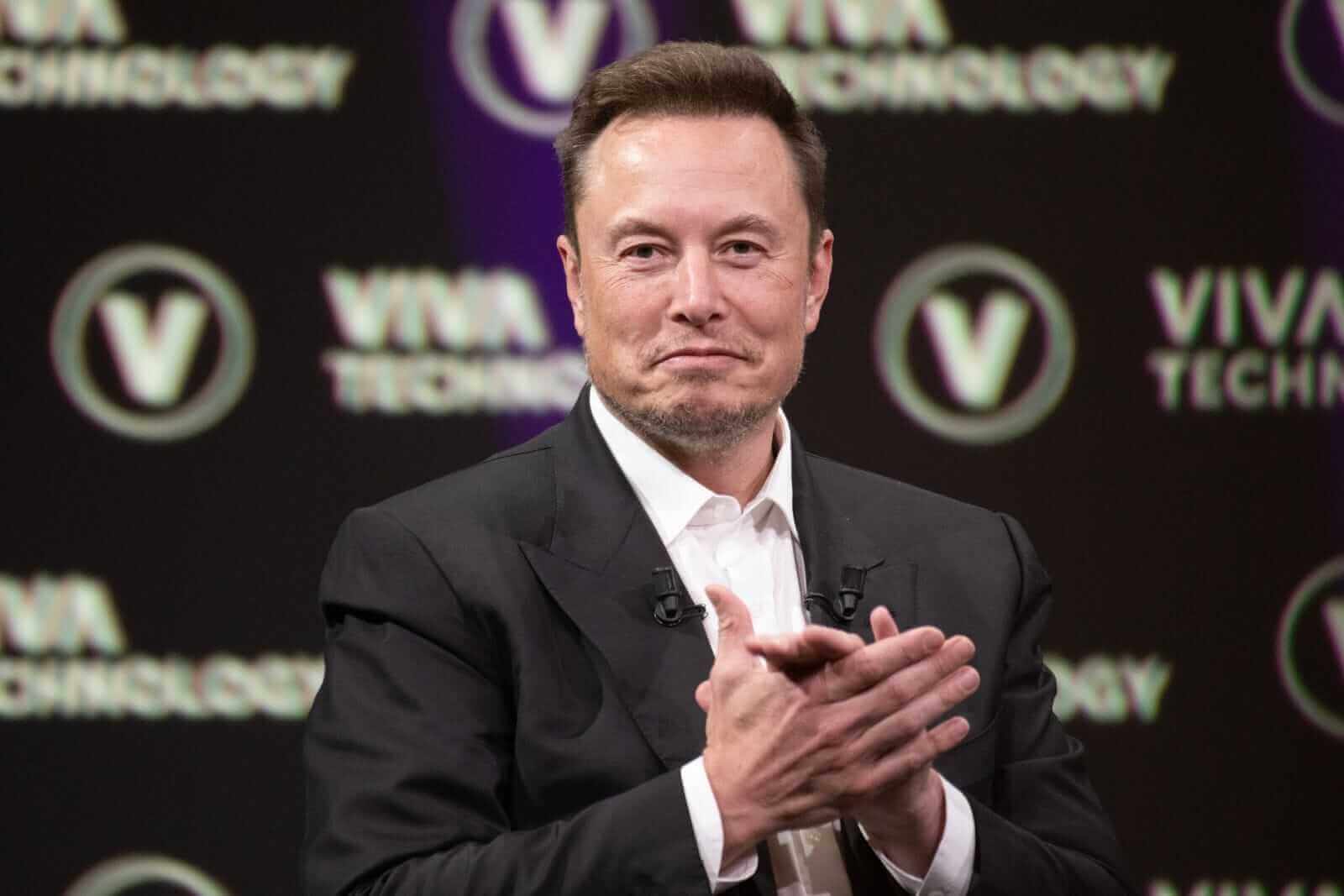
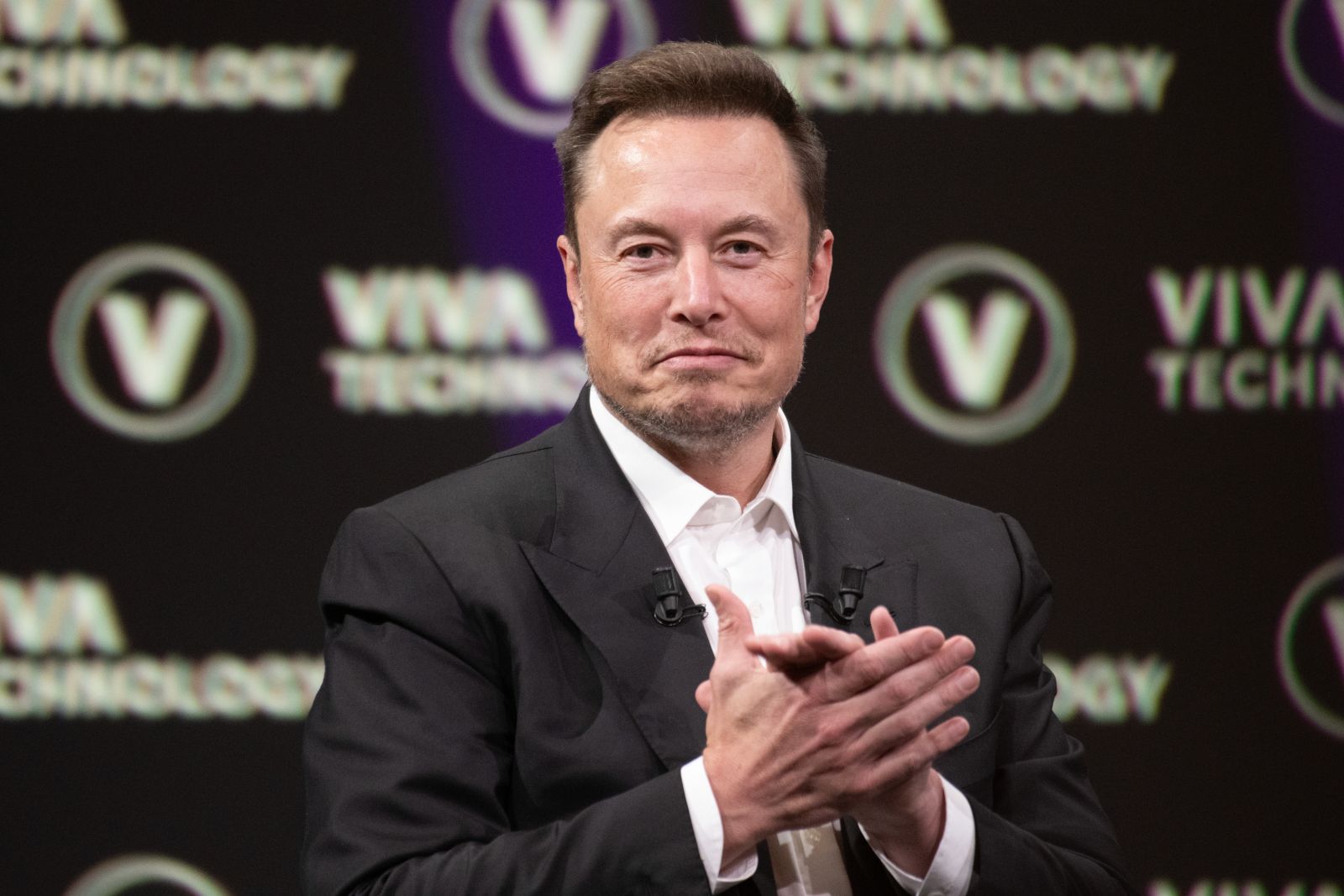
Image of CEO Elon Musk by Frederic Legrand – COMEO via Shutterstock
For someone who’s spent years at the center of public controversy, Tesla (TSLA) and SpaceX (SPCX) CEO Elon Musk didn’t seem particularly interested in defending his popularity. Instead, he flipped the question back on the person asking it.
Musk sat down with The Economist Editor-in-Chief Zanny Minton Beddoes for a wide-ranging interview at Tesla’s Gigafactory Texas, where the conversation turned to his growing influence over politics in Europe and why, in Beddoes’ view, some people “loathe” him.
‘Maybe Some People Do Loathe Me’
The exchange began after Beddoes questioned why Musk believed he should weigh in on European politics despite not living there. Musk responded that he views “the West collectively” as important before Beddoes suggested that many people resent his influence.
Read more: The Sub-$1 Pre-IPO AI Stock That Could Make People “Superhuman”
“It’s why people loathe you,” Beddoes said. “Some people do loathe you.”
“Yes, some people do,” Musk replied.
Beddoes then pressed further, asking whether he understood why people felt that way and whether he believed his actions were helpful for Western democracy.
“Maybe some people do loathe me. And that’s probably true. I don’t care,” Musk said. “But the fact that, as you pointed out, a quarter billion people follow me is that I think a lot more people actually like me than don’t.”
He wasn’t finished.
Read more: This Pre-IPO Stock Is Up 4,000% Already
“And I think a lot more people hate you and the media more than you realize,” Musk continued.
Beddoes acknowledged that journalists are often unpopular, but Musk repeated the point.
“They hate you. They hate you,” he said.
A Familiar Response
The exchange reflected a communication style Musk has embraced for years: direct, unapologetic, and often dismissive of criticism.
Rather than disputing Beddoes’ suggestion that some people dislike him, Musk accepted the premise before arguing that his audience tells a different story. Pointing to his more than 250 million followers on X, he suggested that public support for him outweighs the criticism he receives and that traditional news organizations face deeper trust issues than many journalists recognize.
The conversation was part of a roughly 90-minute interview covering artificial intelligence, immigration, European politics, free speech, and the future of Western democracies.
Throughout the discussion, Musk repeatedly defended his willingness to comment on issues beyond the United States, arguing that he views the West as interconnected rather than confined by national borders.
Musk shared the clip on X, highlighting the exchange for his followers. It wasn’t the first time he’d brushed off criticism, and judging by his response, it probably won’t be the last.
That attitude has become one of the defining traits of Musk’s career. Whether launching rockets at SpaceX, transforming Tesla into an electric vehicle giant, or weighing in on polarizing issues, he’s rarely appeared concerned with winning over everyone. If anything, Musk seems to view criticism as part of the price of trying to change industries—and, as he put it, that’s a price he doesn’t care about paying.
On the date of publication, Caleb Naysmith did not have (either directly or indirectly) positions in any of the securities mentioned in this article. All information and data in this article is solely for informational purposes. For more information please view the Barchart Disclosure Policy here.