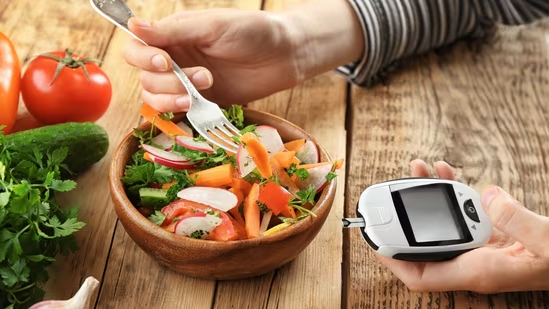
Managing blood sugar levels is not only about what you eat, but also about when you eat. Dinner plays a crucial role in overnight glucose control, yet it is often the meal where people unknowingly make the biggest mistakes. Heavy, refined, or sugary foods consumed late in the evening can cause sudden insulin spikes, making it harder for the body to regulate blood sugar while you sleep. This becomes especially concerning for people with diabetes, prediabetes, or insulin resistance.

At night, metabolism slows down and physical activity declines, increasing the likelihood that excess glucose remains in the bloodstream. Over time, this can worsen insulin resistance, disrupt sleep, and lead to high fasting blood sugar the next morning. Dr Ashok M. N., Consultant – Internal Medicine & Diabetology at SPARSH Hospital, Yeswanthpur, Bangalore, tells Health Shots that choosing appropriate dinner foods is key to maintaining stable glucose levels and protecting long-term metabolic health.
7 dinner foods that cause immediate blood sugar spikes
1. White rice and refined grains
White rice, refined flour chapatis, naan, and pasta have a high glycemic index. They are rapidly metabolised into glucose, causing sudden spikes in blood glucose. At night, when energy demand is low, this excess glucose places additional stress on insulin secretion and action.
2. Potatoes and fried snacks
“Fried or mashed potatoes trigger rapid glucose release. Common dinner items like fries, aloo curries, or packaged fried snacks worsen insulin spikes due to refined starch and unhealthy fats,” Dr Ashok tells Health Shots. Regular consumption may also increase insulin resistance over time.
3. Sugary sauces and gravies
Many Indian and continental dishes contain hidden sugars in sauces, marinades, and gravies. Tomato ketchup, sweet chilli sauce, honey-based dressings, and restaurant-style gravies can quietly elevate blood sugar, even when the meal appears balanced.
4. White bread and bakery items
White bread, pav, buns, refined-flour rotis, and baked snacks are readily absorbed and lack fibre and protein. “This leads to rapid glucose absorption and sudden insulin surges, especially problematic during dinner hours,” according to Dr Ashok.
5. Desserts and sweetened beverages
Ending a meal with desserts, mithai, or sweetened beverages places a heavy glycemic load on the body before rest. Late-night sugar intake disrupts overnight glucose stability and may lead to elevated fasting glucose levels the next morning. Even artificial sweeteners may impact glucose response in some individuals, notes the American Diabetes Association.
6. Canned foods
Canned foods often contain excess sodium and preservatives. Many cans are lined with bisphenol A (BPA), a chemical that has been linked to endocrine disruption. According to Dr Ashok, BPA exposure may negatively affect insulin sensitivity and increase cardiovascular risk in people with diabetes.
7. Sugary cereals
Many cereals marketed as healthy are highly processed and rich in refined grains and added sugar. While often eaten at breakfast, consuming them at night can sharply raise blood sugar and increase the risk of diabetes-related complications. A better alternative is soaked oats or whole-grain porridge.
What should you eat instead?
Dr Ashok recommends low-glycemic carbohydrates, lean protein, healthy fats, and fibre, such as vegetables, dal, curd, paneer, eggs, or grilled fish for dinner. Keep your meals light and finish them at least 2–3 hours before bedtime to improve glycemic control.
(Note to readers: This article is for informational purposes only and not a substitute for professional medical advice. Always seek the advice of your doctor with any questions about a medical condition.)