Published on
January 4, 2026

The recently concluded New Year’s Day holiday in China saw an unprecedented increase in domestic tourism and travel expenses. From Thursday to Saturday, the country’s tourism market experienced an unprecedented surge, indicating a significant recovery and demonstrating rising demand for domestic travel. The three-day holiday period saw an impressive 142 million domestic trips, accounting for approximately 84.8 billion yuan (equivalent to $12.13 billion) in travel-related spending. This massive increase not only demonstrates the growing popularity of domestic travel, but it also indicates a shift in the preferences of Chinese tourists.
The Surge in Domestic Travel
The increase in domestic tourism was driven by various factors, including the post-pandemic recovery of the tourism sector, the extended holiday duration, and evolving travel habits. The Ministry of Culture and Tourism highlighted the remarkable figures, shedding light on how the market has rebounded after previous years marked by travel restrictions and uncertainties. The three-day break allowed a larger volume of people to travel within the country, compared to last year’s New Year’s Day holiday, which was limited to just one day on January 1. The extended holiday period undoubtedly played a crucial role in facilitating this higher volume of travel.
While some travelers ventured to distant locations, the majority chose nearby destinations, taking advantage of short-distance tours to places close to their residences or workplaces. This trend speaks to the growing interest in accessible and less time-consuming getaways, as many people continue to prioritize convenience and safety when planning their trips.
Popular Destinations: Snowy Views and Winter Sports
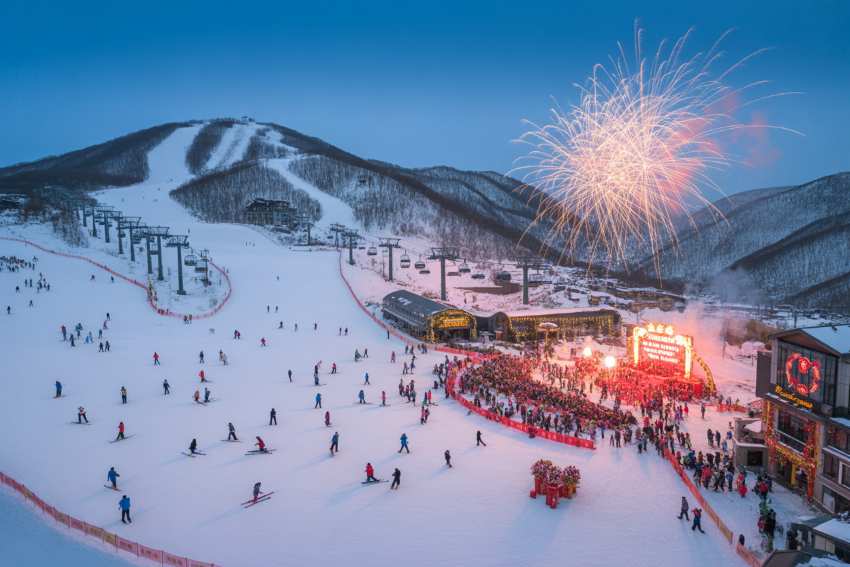
One of the key highlights of this year’s domestic tourism market was the popularity of destinations offering snow-covered landscapes and winter sports. As the holiday coincided with China’s winter season, ski resorts, snow villages, and winter wonderlands became major attractions for tourists. Locations renowned for their winter sports facilities and scenic snowy views, such as Harbin in Heilongjiang Province and Changbaishan in Jilin, saw a considerable increase in tourist numbers. These regions provided the perfect backdrop for winter sports enthusiasts eager to engage in activities like skiing, snowboarding, and ice sculpting.
Snowy destinations in China have long been a favorite for those looking to experience the thrill of winter sports while enjoying breathtaking views of snow-capped mountains. The Ministry of Culture and Tourism has continuously emphasized the significance of these regions as key contributors to China’s growing winter tourism industry. For many tourists, the New Year’s Day holiday was a prime opportunity to indulge in these activities, contributing to the sector’s substantial growth.
Milder Climates and New Year Countdown Events
While snowy destinations attracted many, another segment of travelers sought out milder climates, especially those near coastal or southern regions of China. Places like Hainan, Guangdong, and Guangxi, with their temperate weather, offered a refreshing alternative to the colder northern cities. These warmer regions proved to be a preferred choice for families and older travelers who sought a more relaxed experience away from the winter chill. The demand for such destinations highlights the diversity of travel preferences, with tourists opting for comfortable and pleasant conditions during their time off.
In addition to climate-related preferences, vibrant New Year countdown events played a central role in attracting tourists. Major cities such as Beijing, Shanghai, and Guangzhou hosted large-scale celebrations, complete with fireworks, live music, and cultural performances. These events created a festive atmosphere, drawing crowds of visitors who were eager to participate in the celebratory spirit of the New Year. The increase in visitors to urban centres during these festivities signals the appeal of both cultural experiences and the lively urban atmosphere associated with the holiday.
Short-Distance Tours and Nearby Getaways
Perhaps one of the most notable trends during this year’s holiday was the rise of short-distance travel. More people opted for nearby escapes, taking advantage of the proximity of scenic locations, parks, historical landmarks, and cultural sites. With many travelers keen on avoiding long journeys or crowded transportation systems, nearby destinations offered the perfect blend of accessibility and relaxation. Popular spots included local parks, lakes, mountain ranges, and countryside areas that were within a few hours’ drive from major cities. This shift in preference also helped alleviate congestion at major transportation hubs, which often experience overwhelming crowds during peak travel times.
For urban dwellers, the ease of access to rural or semi-rural destinations allowed for quick and stress-free trips, ideal for a short but fulfilling holiday. These short-distance trips enabled travelers to reconnect with nature, explore historical sites, and enjoy the serenity of less-commercialized destinations, offering a balanced alternative to long-haul tourism.
The Role of Government Initiatives in Tourism Recovery
The Chinese government’s focus on promoting domestic tourism, alongside its efforts to ensure public health and safety, has played a crucial role in the recovery of the tourism sector. Policies aimed at boosting local tourism, such as supporting regional tourism initiatives and promoting local experiences, have undoubtedly contributed to the strong performance of the industry during the holiday period. Through targeted campaigns and initiatives, the government has encouraged citizens to explore destinations within their own country, ultimately leading to a more diversified and resilient tourism market.
An Insight into Changing Travel Habits
The 2026 New Year’s Day holiday further demonstrates the shift in Chinese travellers’ preferences. While long-distance international travel may remain a key interest for some, many have increasingly turned to domestic travel, favouring short-distance trips that prioritize convenience, safety, and relaxation. This trend is expected to continue as the tourism sector evolves in response to changing circumstances and growing demand for flexible, accessible travel options.
A Positive Outlook for China’s Tourism Future
Looking ahead, China’s tourism industry looks promising. The remarkable success of the New Year’s Day holiday, as well as its significant economic contribution, demonstrates that domestic tourism is thriving. As China’s travel market evolves to meet new trends and preferences, the emphasis on accessibility, convenience, and localised experiences is likely to shape the industry’s future. The holiday season not only demonstrated the resilience of China’s tourism market but also highlighted the exciting potential for future growth in both short- and long-term tourism.