China stepped up its economic war with Japan on Wednesday as a dispute between Asia’s two biggest economies intensified over a remark by Tokyo’s new leader about a Japanese response to any Chinese military move against self-ruled Taiwan.
Newsweek has contacted the Ministry of Foreign Affairs of Japan and the U.S. Department of State for comment via email.
Why It Matters
Tensions between Asia’s two biggest economies have economic, diplomatic and security implications for the region and beyond.
Japan is the most important U.S. ally in Asia and it hosts about 54,000 U.S. troops, providing a base for the U.S. to project its military power across the region.
What To Know
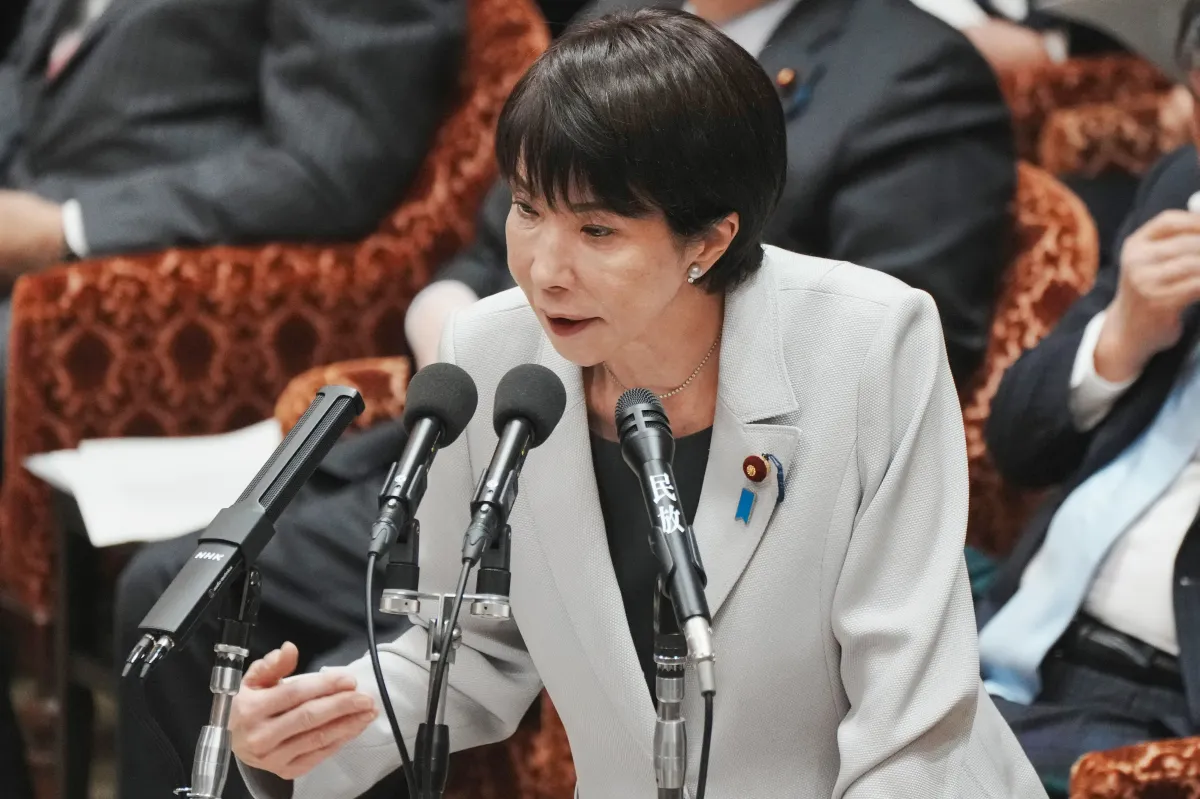
Japan’s new Prime Minister Sanae Takaichi triggered the dispute this month when she told Japanese legislators a Chinese use of force against Taiwan would constitute an existential crisis for Japan, which could justify a response by its military, the Self-Defense Forces.
Communist China has long claimed Taiwan as its territory and has threatened to achieve reunification by force if necessary. Beijing fiercely objects to what it sees as any outside interference in its dealings with and plans for the island.
Responding to Takaichi’s comments, China warned that Japan would face a “severe blow” over what it called “aggression” against national reunification.
On Friday, China told its citizens to avoid traveling to Japan, dealing a major blow to the country’s tourist industry, and on Wednesday, Beijing took aim at Tokyo’s seafood exports.
Chinese Foreign Ministry spokesperson Mao Ning referred to partially eased restrictions on Japanese seafood imposed after Japan began releasing radioactive water from a damaged nuclear plant into the sea in 2023, and told a regular briefing that no one in China would buy Japanese seafood anyway in light of Takaichi’s comments.
“Even if Japanese seafood exports resumed, there would be no market for them in China,” she said.
Japan’s Chief Cabinet Secretary Minoru Kihara told reporters Tokyo had not received any notification from the Chinese government about a ban on seafood, Reuters reported.
Beijing also stepped up its war of words, with Mao referring to Japan’s wartime past, which is a highly emotive issue in China and other parts of Asia that suffered from Japanese aggression before and during World War II.
Mao, referring to Takaichi’s comments on Taiwan, said a review of history shows that launching foreign aggression under the pretext of an “existential crises” and “self-defense” has long been a common tactic of Japanese militarism, China’s Global Times newspaper reported.
Mao also poured cold water on any suggestion of Japan getting a permanent seat on the U.N. Security Council.
What People Are Saying
Chinese Foreign Ministry spokesperson Mao Ning said in a Wednesday briefing, as reported by the Global Times: “Japan launched a war of aggression in World War II, inflicting immense suffering on the people of Asia and the world. To this day, Japan has yet to thoroughly reflect on its war crimes, with some still promoting a misguided view of World War II history.”
What Happens Next
In an effort to reduce tensions, Japan dispatched its envoy for Asian and Oceanian affairs, Masaaki Kanai, to China for talks with his counterpart there, Liu Jinsong. But it remains to be seen whether the neighbors can work out a compromise to ease tensions and cushion the blow to affected industries.
