The next batch of economic data will hit a bit different in light of the temper tantrum thrown by the bond market this week.
With bond yields hinting that rates might be set to rise and stay elevated, investors will be keenly focused on this Friday’s August jobs report as a fresh input for what the Federal Reserve might do when it meets later this month.
According to Bank of America, though, jobs are just the appetizer ahead of the Fed meeting on September 15th and 16th.
“Payrolls are unlikely to be the deciding factor for a September hike,” analysts at the bank wrote on Wednesday. “A significantly weaker report could lower hike odds, but CPI remains the key release for determining whether the Fed follows through. We hold our call for Sept hike.”
The Consumer Price Index for August will be published on September 11, and it’s expected to show inflation rose at 3.4%, in line with July’s rate. However, there’s a chance it surprises to the upside given that pressures from the US-Iran war haven’t been relieved.
Fed Chair Kevin Warsh‘s own words last week at Jackson Hole should elevate the importance of CPI in investors’ eyes.
“Absent a significant downside surprise in employment, we doubt Friday’s report would decisively settle the Sep FOMC debate. Warsh’s speech at Jackson Hole characterized labor markets as stable and consistent with full employment, while emphasizing that inflation remains above target and deserves the Fed’s predominant attention.”
Given that markets are on edge about interest rate hikes, BofA said to expect a higher-than-usual market reaction to a weaker jobs number that lowers odds of a hike and refocuses attention on the Fed’s employment mandate. Regardless, the bank said, “markets will probably retain some uncertainty ahead of the inflation data, the Fed’s current primary focus.”
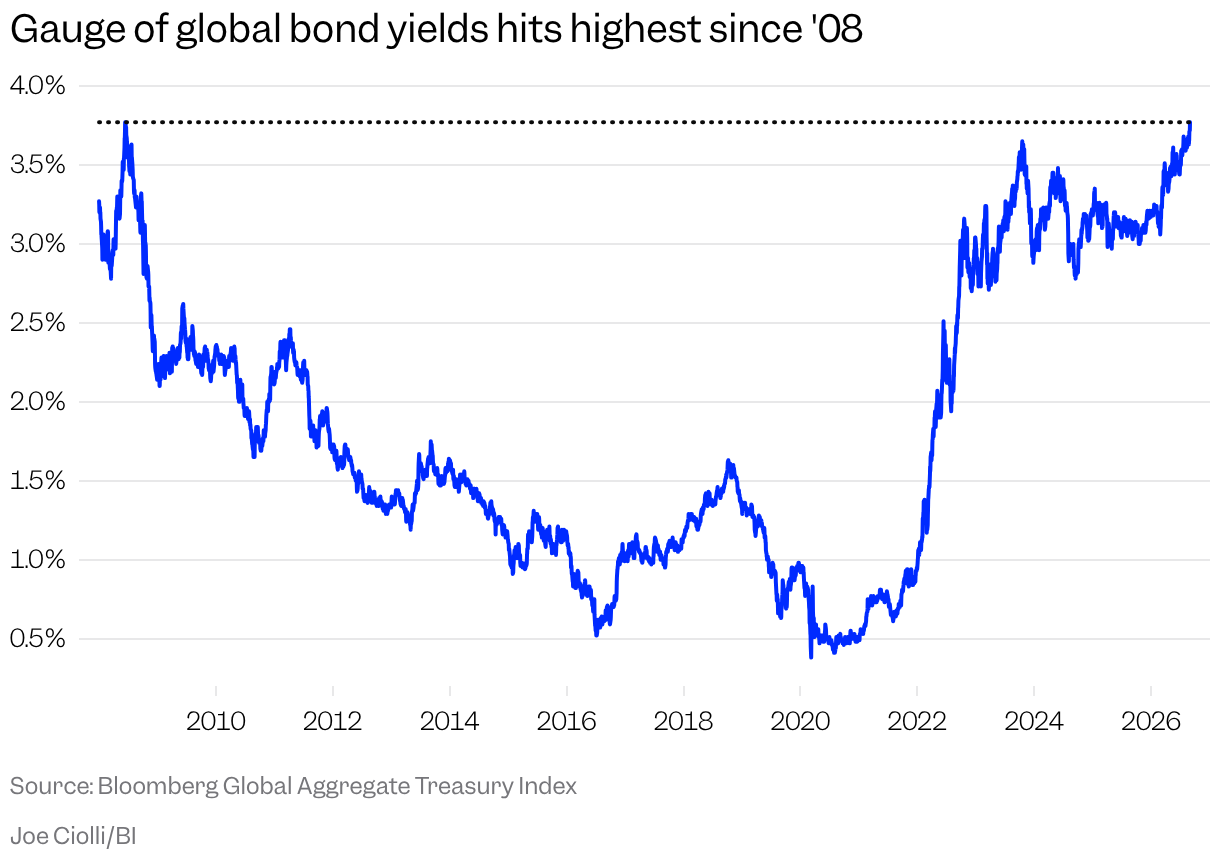
The stakes for the coming data prints are higher, too, in light of the signals being sent by the bond market. With yields around the world touching multiyear highs, fixed income investors say a world of higher-for-longer interest rates is likely the new normal.
Your guide to what’s moving markets