For the Tomahawk Leader
WISCONSIN – Aspirus Health recently shared tips on providing kids with balanced meals.
“Every parent knows that well-balanced meals are incredibly important for their children,” Aspirus said in a release. “However, in the middle of back-to-school busyness, keeping healthy meals at the top of the priority list can feel overwhelming. The good news is that eating well doesn’t have to be complicated.”
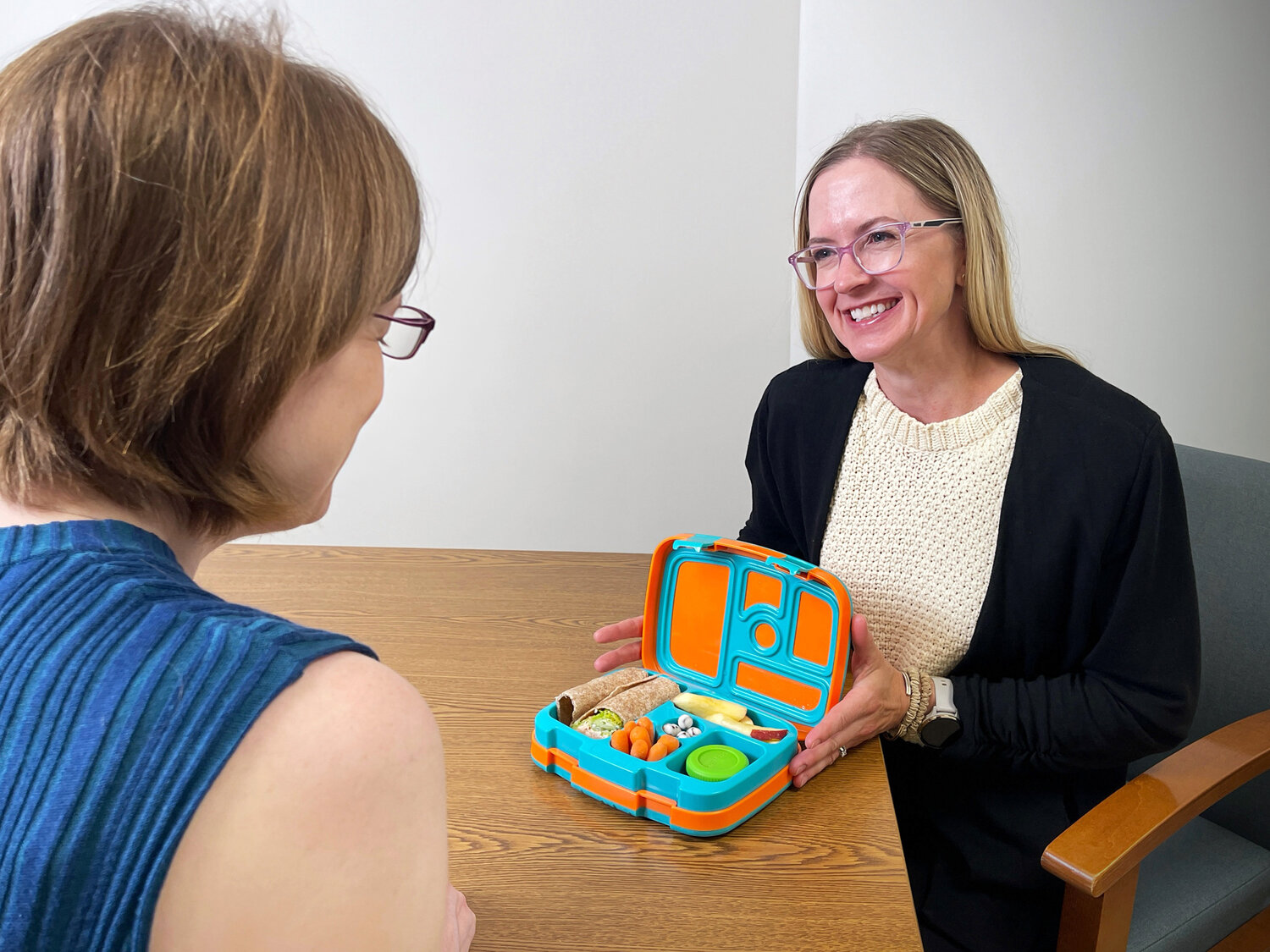
“A general understanding of what makes a meal well-balanced goes a long way,” said Tammy Licari, RDN, LD, CDCES, Registered Dietitian at Aspirus Health. “There are three key building blocks to think about: carbohydrates, protein and fat. These are known as macronutrients, and you should aim for each meal to contain all three.”
Aspirus said carbohydrates are best when they come from fiber-rich foods like whole grains, fruits, vegetables and legumes.
“These provide steady energy instead of quick spikes and crashes,” Aspirus stated. “They also support healthy digestion.”
Healthy fats include foods like nut butters, nuts, seeds and avocado. Aspirus explained that these support brain development and hormone balance and also help the body absorb vitamins.
“Natural sources are better than processed or fried foods, since they provide extra nutrients like fiber, vitamins and minerals,” Aspirus noted.
Good protein options are white fish and lean meats, like chicken, turkey and venison, as well as plant-based sources, like tofu or tempeh, according to Aspirus.
“Protein is essential for building strong muscles, repairing tissues and supporting a healthy immune system,” Aspirus stated. “Choosing a mix of animal and plant-based proteins provides a wide range of nutrients, from iron and zinc in meats to fiber and antioxidants in plant sources.”
“Some of these foods overlap, too,” Licari explained. “For example, beans and legumes provide both carbs and protein, while salmon or dairy products contain both fats and protein. These overlapping foods are especially valuable because they give kids multiple nutrients in one bite.”
To know how much of each macronutrient to include, Aspirus said, using the MyPlate Guidelines from the U.S. Department of Agriculture (www.myplate.gov/) can be very helpful.
“These guidelines recommend filling half the plate with vegetables or fruit,” Aspirus stated. “Then, add protein to a quarter of the plate, and fill the other quarter with whole grains. Finally, add a small amount of healthy fats to create a balanced meal with all three essential macronutrients.”
If you’re concerned about your child’s nutrition, Licari recommends consulting their doctor or a registered dietitian.
“Good nutrition affects how kids learn, grow and feel every day,” she said. “Persistent constipation, low energy, pale skin or changes in behavior should not be ignored.”
Aspirus noted that it’s also important to remember that parents don’t have to be perfect to make a difference.
“Small changes, like choosing whole-grain bread, adding fruit or swapping chips for yogurt, add up,” Aspirus stated.
“Healthy eating is about progress, not perfection,” Licari said. “Building these habits now helps kids do their best at school and beyond.”
“For more tips on building healthy habits for kids, or if you’re concerned about your child’s nutrition, start by talking with your child’s doctor,” Aspirus said.

