Health

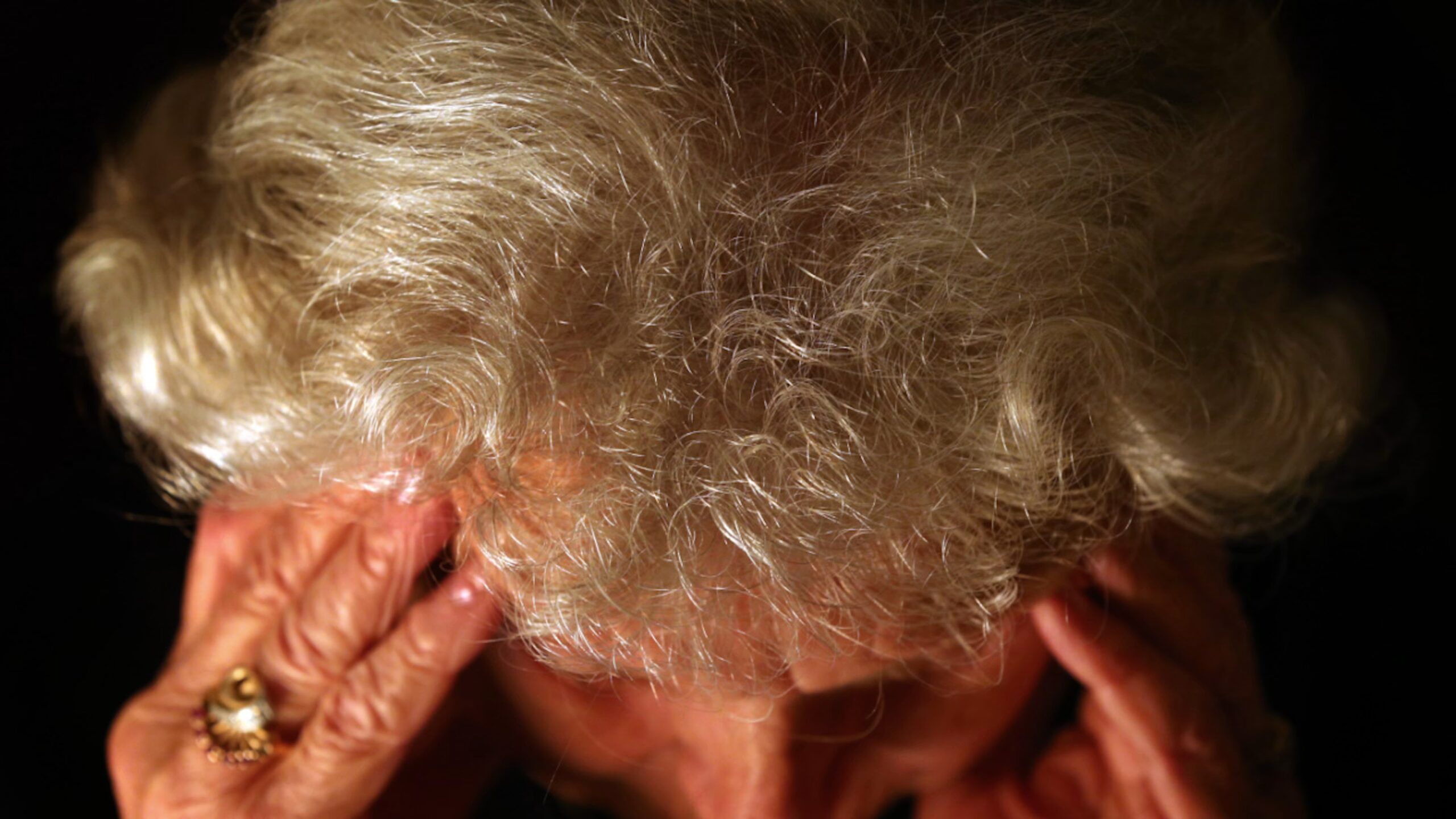
According to the WHO, approximately 57 million people worldwide are living with dementia, and that number is on the rise. There are currently no medications that can cure the disease. (File photo)
Keystone
Everyone can significantly reduce their risk of dementia. The WHO explains what protects the brain and what increases the risk of cognitive decline.

 Today at 16:00
Exercise, a healthy diet, and an active social life can reduce the risk of dementia, while smoking and alcohol have the opposite effect. What is good for overall health therefore also protects against dementia and other cognitive impairments, according to the World Health Organization (WHO) in Geneva in its new recommendations for the prevention of such diseases.
It was reported that up to 45 percent of the risk of dementia can be attributed to factors that people can influence. According to WHO figures, approximately 57 million people worldwide are living with dementia, and that number is on the rise. There are currently no medications available that can cure the disease.
Move, Think, Get Involved
The WHO recommends physical activity, both as a preventive measure and for people who are already affected. Mental activity also plays an important role—brain training, for example.
What’s new compared to the 2019 WHO guidelines? Social activities with others are now explicitly recommended. In 2019, the WHO had not yet found scientific evidence that this reduces the risk of dementia. It also now recommends cognitive stimulation, such as through reading, storytelling, or group activities like board or card games.
Unlike in 2019, the WHO now also sees clear evidence that hearing aids can help prevent cognitive impairment in people with hearing loss. It also now cites positive effects when the air is cleaner and fine particulate matter is reduced both indoors and outdoors.
No recommendation for vitamin supplements
As was the case seven years ago, the WHO remains skeptical of dietary supplements such as vitamin B, vitamin E, omega-3 capsules, and multivitamins when there is no proven deficiency. There is no evidence that taking them can prevent dementia.
Certain conditions, on the other hand, significantly increase the risk of dementia and, according to the WHO, should always be treated. These include high blood pressure, diabetes, obesity, hearing loss, sleep disorders, and depression.