Experts see China’s economy gaining momentum as Beijing’s growing tech clout presents risks, opportunities for Seoul
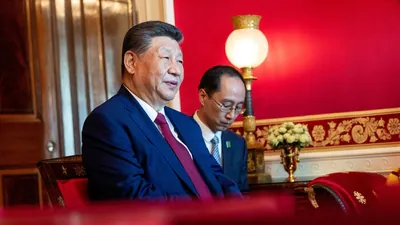
China’s rise is reshaping the global power structure, economic order and technological landscape as Beijing seeks a larger global role under President Xi Jinping, bringing it into deeper strategic competition with the US, according to experts.
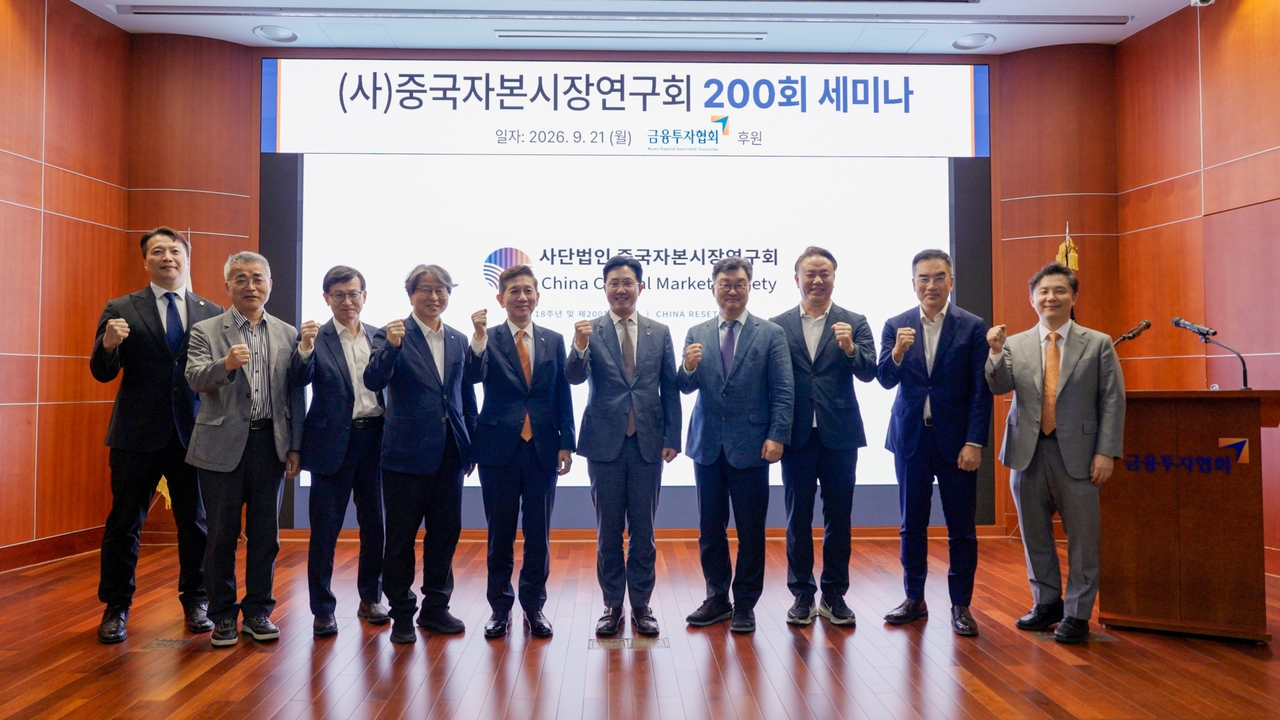
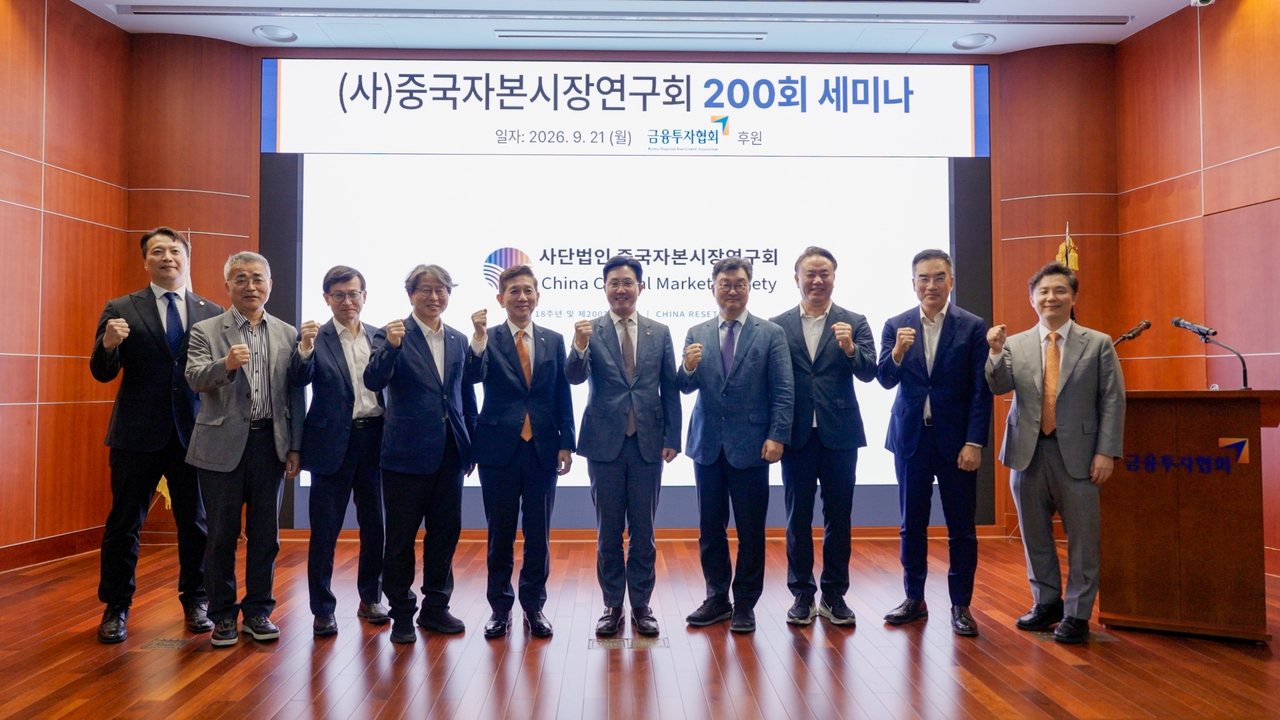
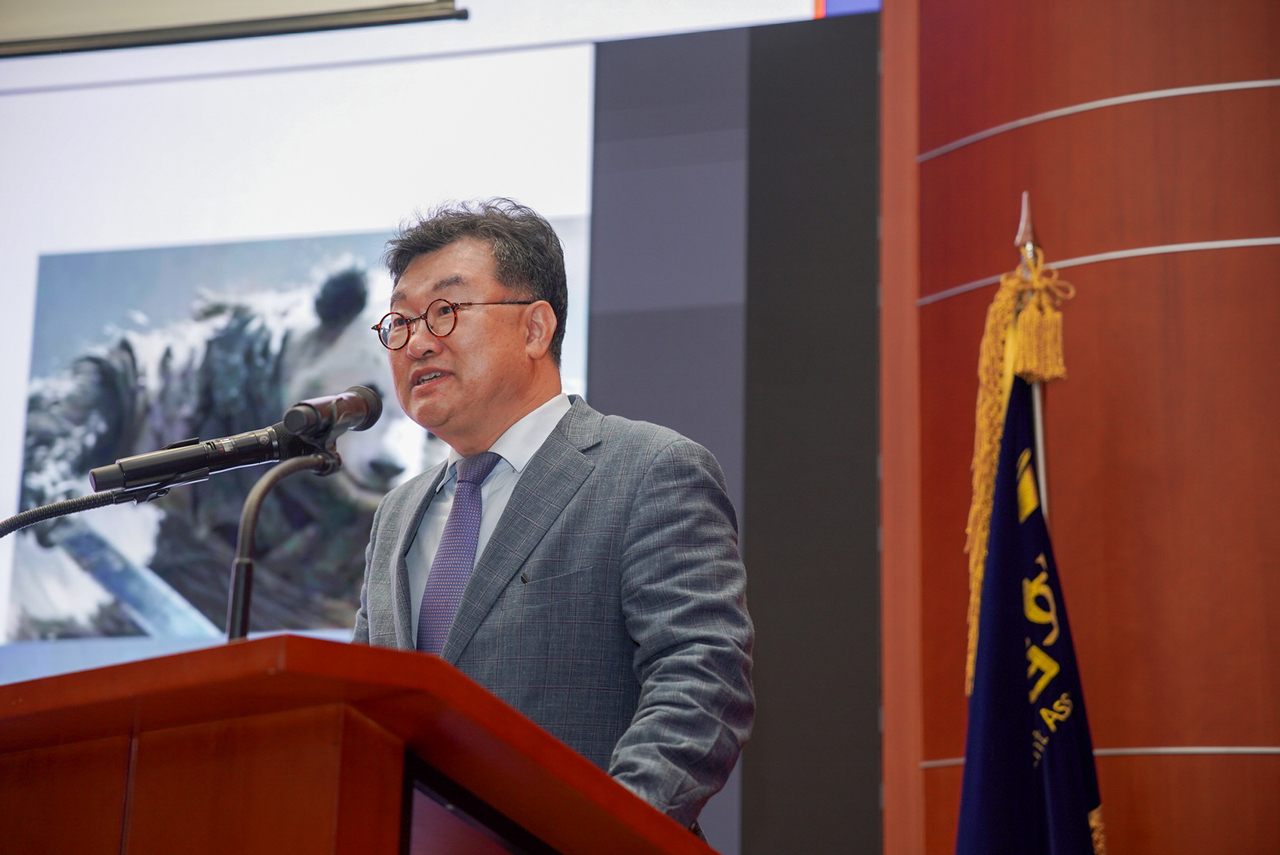
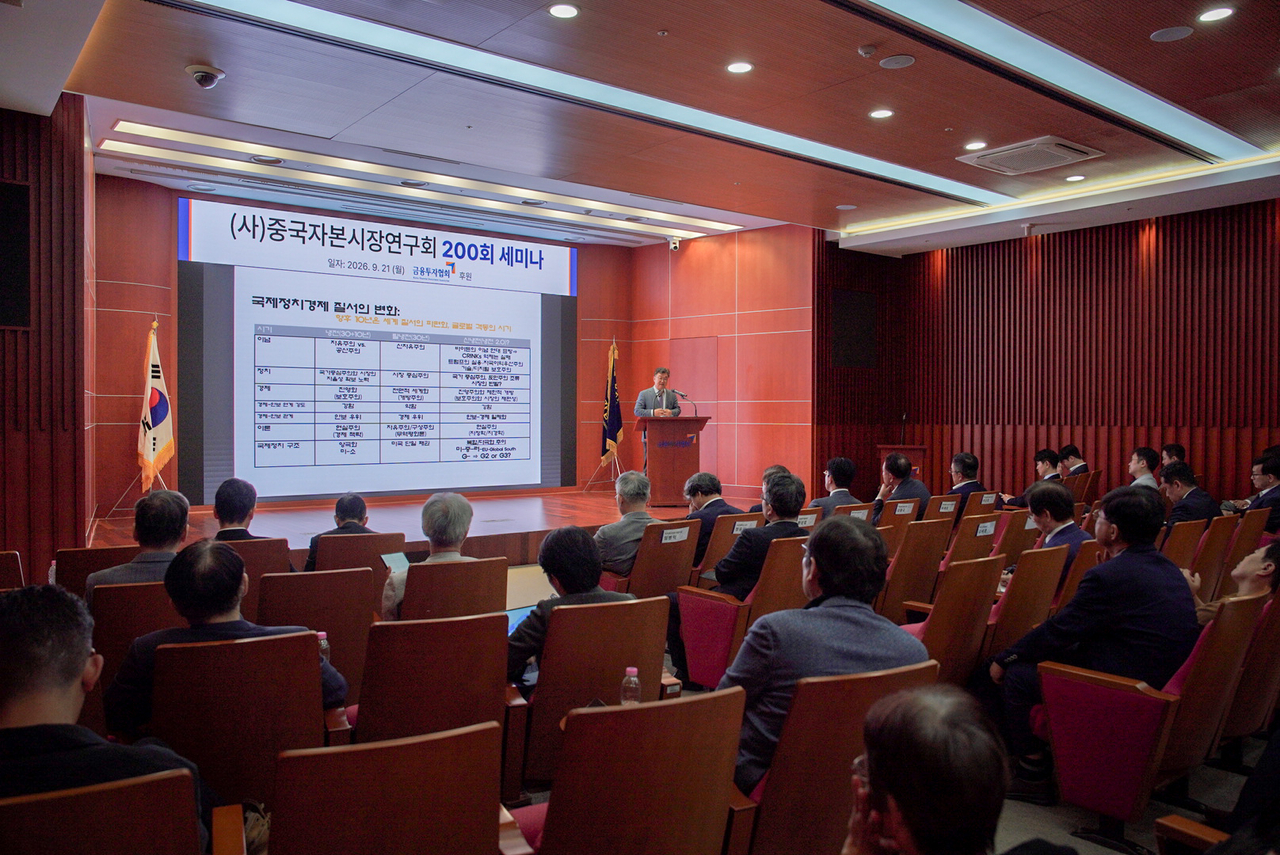
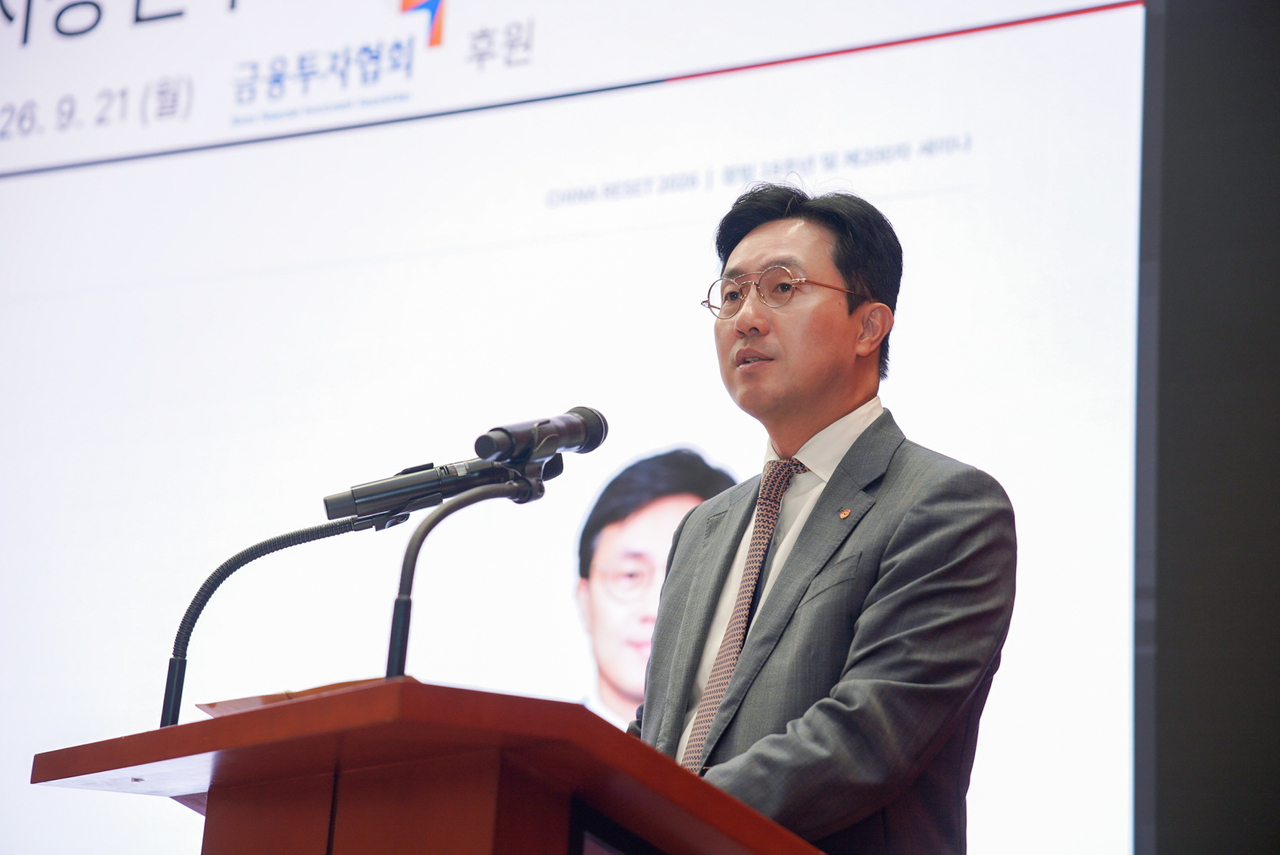
Kim Heung-kyu, president of the Korea National Diplomatic Academy, made the assessment in a keynote speech titled “South Korea’s Choice in an Era of US-China Strategic Competition” at a seminar hosted by the China Capital Market Society at the Korea Financial Investment Association in Yeouido, Seoul, Monday.
Held under the theme “18 Years of Looking at China, Asking Again About China’s Future,” the event marked the society’s 18th anniversary and its 200th seminar. Experts discussed China’s changing role in the global order, intensifying US-China rivalry and the outlook for the Chinese economy.
China seeks bigger role in global order
Kim said China’s view of itself has changed significantly under Xi, moving beyond its traditional identity as a developing country and a major power centered on East Asia.
China now sees itself as a global power capable of projecting influence beyond the region, he said.
“China now sees itself as a strong country and a major power,” Kim said, describing Beijing’s evolving identity as a “maritime-land and Eurasian country” rather than simply a continental power in East Asia.
He said China’s long-term strategy is rooted in its “two centenary goals” and a phased plan for socialist modernization aimed at expanding its economic, military and international influence.
China’s ambitions became more pronounced around the 19th National Congress of the Communist Party of China in 2017, when Xi Jinping’s ideology was formally emphasized, Kim said.
Beijing increasingly sees Asia as the center of the emerging global order, with China at its core, Kim said, citing its efforts to expand its influence through initiatives focused on global development, civilization, security and governance.
“If Europe dominated the world 200 years ago and the US did so 100 years ago, Asia will dominate the world from now on,” he said. “And China will of course be at the center.”
US-China rivalry shifts toward technology
The rivalry between the US and China is also intensifying in advanced technologies and strategic industries.
Kim said the US has strengths in artificial intelligence, semiconductors and biotechnology, while China remains competitive in rare earths, batteries and renewable energy.
The US could challenge China’s manufacturing advantage by combining AI with humanoid robots, he said.
“The US can beat China if it combines AI with humanoids,” Kim said, arguing that such a combination could create a new production system rather than simply replicate China’s existing manufacturing model.
The outcome of the strategic rivalry will ultimately depend on each country’s ability to manage its economy and maintain technological leadership, he said.
China’s self-reliance could become weakness
China’s pursuit of greater economic and strategic self-reliance could also unsettle neighboring countries, Kim said.
“From the perspective of international politics, China’s biggest vulnerability is its perfection,” Kim said, referring to China’s efforts to build systems that are increasingly self-sufficient in both economic and foreign and security policy.
Such an approach could make neighboring countries feel less secure and encourage them to seek stronger ties with other powers, he said.
China economy seen recovering in second half
China’s longer-term rise comes as its economy is expected to gradually recover in the second half of the year, experts said.
Choi Young-jin, chairman of the China Capital Market Society and chief marketing officer and executive vice president at Hanwha Asset Management, called for a balanced assessment of China’s technological and manufacturing capabilities.
“We should neither underestimate China based on familiar perceptions nor overestimate it based on some of its achievements,” Choi said.
Kim Kyung-hwan, head of China and emerging markets strategy at Hana Securities, forecast a gradual recovery in the Chinese economy as stimulus measures take effect.
He said government support for services consumption and employment remains insufficient, but stimulus is expected to gain momentum this month.
AI products are leading export growth, while other exports remain solid, Kim said. The share of semiconductors and computing-related products in China’s total exports is also expected to exceed 15 percent for the first time.
Chinese stocks could rebound in the second half on improving earnings estimates, stimulus measures, seasonal consumption and property demand, as well as the potential impact of a US-China summit, he said.
Korea faces pressure and opportunities
Against the backdrop of the intensifying US-China rivalry, Kim expects Washington to pile pressure on South Korea.
“Trump will pressure South Korea using every lever at his disposal over the next 2 1/2 years,” Kim said, adding that Washington could use the possible withdrawal of US troops and South Korea’s reliance on the alliance as leverage.
Kim said South Korea should strengthen its own capabilities while maintaining and reshaping its alliance with the US, moving away from “vertical dependence” toward greater mutual reliance.
Lee Chi-hoon, an analyst at the Center for International Finance, said the rivalry could create opportunities as well as risks for South Korea.
“South Korea needs to actively turn US efforts to contain China into an opportunity,” Lee said, noting that South Korea is the only country with strong manufacturing capabilities among countries that have free trade agreements with both the US and China.
Maintaining its semiconductor competitiveness is particularly important, he said, warning that South Korea’s strategic importance could decline if China catches up technologically.
ch0221@heraldcorp.com