Representative Image
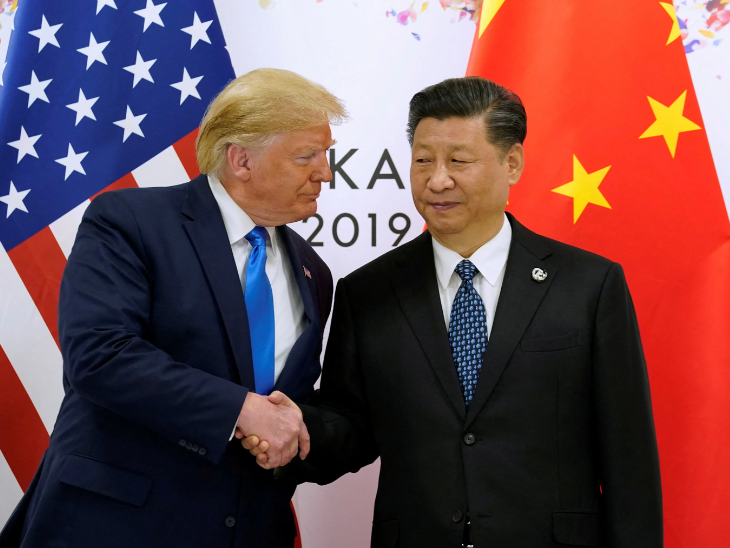
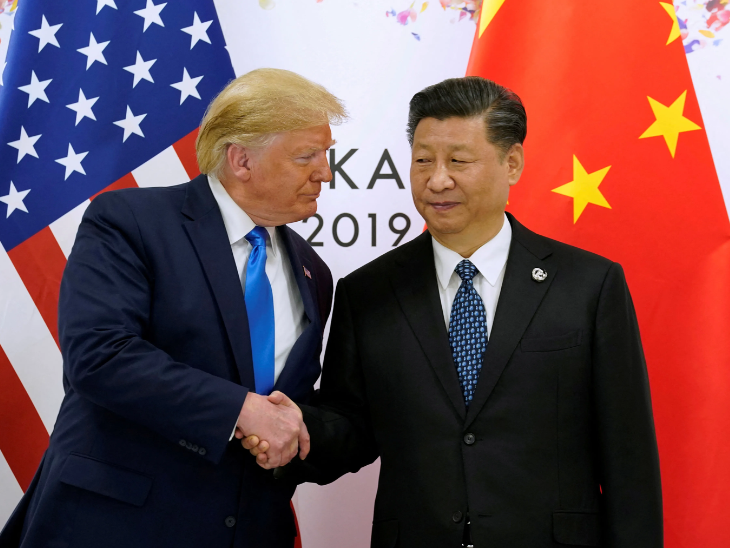
US President Donald Trump will meet Chinese President Xi Jinping on 24 September. Trump believes his good personal relationship with Xi will work in the US’s favour during the talks.
However, according to a report by The Atlantic, Xi places China’s interests above personal relationships. Two examples of this have emerged over the past two years. In both cases, the US had to back down after China’s response.
First case: Tariffs
In April 2025, Trump imposed very high tariffs on goods imported from China. The aim was to put pressure on China so that it would accept US terms.
China also imposed retaliatory tariffs on US goods. This began affecting trade between the two countries. Eventually, Trump had to reduce some of the tariffs he had imposed.
Second case: Rare earth metals
China then imposed new restrictions on rare earth exports. Rare earths are metals used in mobile phones, electric vehicles, electronics and weapons.
China is a major producer of these metals. Therefore, restrictions on its exports could have affected the supply of raw materials to several US companies.
Following China’s move, the US also eased some of the export restrictions it had imposed on China.
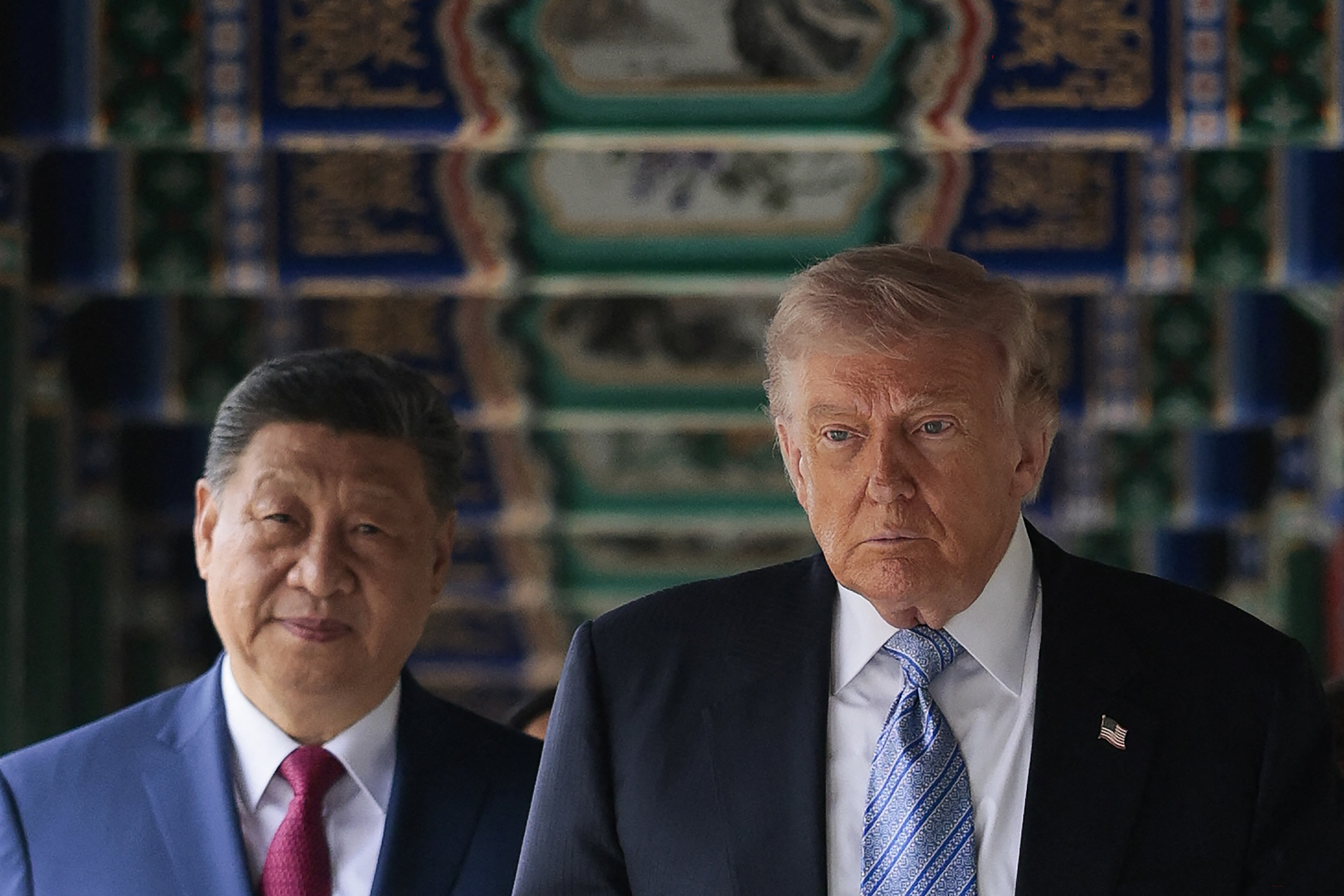
US President Donald Trump walking with Chinese President Xi Jinping at the Zhongnanhai Garden in Beijing on 15 May.
Difference in the two sides’ talks
Trump believes that his good relationship with Xi will help in negotiations. That is why he personally spoke to Xi about several major China-related issues over the past year. However, Xi’s decisions appear to be less influenced by personal relationships. His focus remains on China’s long-term interests.
To explain this difference, the report cites the example of Xi’s former associate, General Zhang Youxia. The families of Xi and Zhang had been close for several decades. Their fathers had fought alongside each other during China’s civil war. Four years ago, Xi had even postponed Zhang’s retirement.
Despite this, Xi removed Zhang from China’s top military post in January. The real reason for his removal was not made public. The example shows that Xi does not give priority to old personal relationships even when making political decisions.
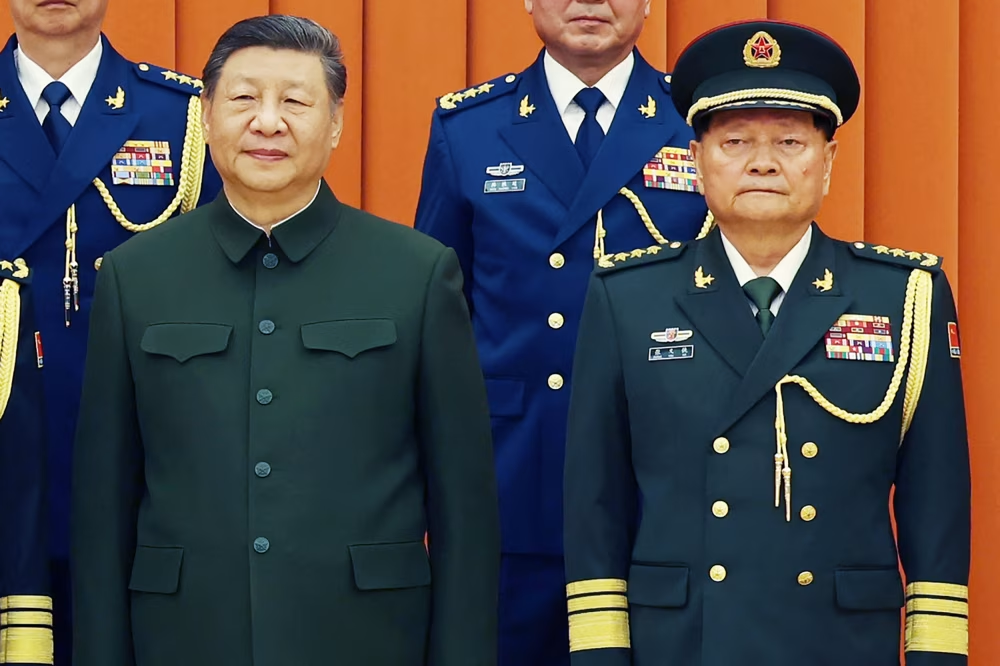
General Zhang Youxia with Chinese President Xi Jinping in Beijing last year.
Trump wants quick results, Xi waits
Trump tries to exert pressure early in negotiations to secure a deal. Xi takes a different approach. He can wait for a long time and increase the pressure when the right moment arrives.
For this reason, despite the friendly conversations between the two leaders, reaching agreements on major issues has not been easy.
Trump will visit the airbase to welcome Jinping
Trump will not only meet Xi Jinping on 24 September but will also personally welcome him at Andrews Air Force Base when he arrives in Washington. According to Politico, this will be the first time during Trump’s second term that he has gone to an airbase to welcome a foreign leader.
According to US officials, the aim is to honour Xi Jinping and create a better atmosphere for the talks. This is also a significant gesture towards China, as it conveys that Xi is being accorded the same respect as the US president.
Trump is also hosting a state dinner for Xi Jinping. According to Reuters, this will be only Trump’s second state dinner since becoming president. He previously hosted one for Britain’s King Charles and Queen Camilla.
These five issues will be crucial at the meeting
1. Taiwan China has continued to put pressure on the United States over Taiwan. Xi Jinping also raised the issue of US arms sales in his conversation with Trump. Trump had described around $14 billion in future arms sales to Taiwan as a card to be used in the negotiations.
2. Tariffs and trade Tariffs, market access and the balance of trade will remain major issues between the United States and China. The two countries are trying to reduce tensions, but differences related to trade have not yet been resolved.
3. Iran and the Strait of Hormuz The issue of the Strait of Hormuz being closed during the Iran war also came up in the two leaders’ conversation. Trump had said that Xi had agreed to ask Iran to reopen the strait. However, China did not confirm that it had given any such assurance.
4. The AI race The competition between the US and China is no longer limited to trade. Both countries are trying to gain an edge in AI and advanced chips. The US is restricting China’s access to cutting-edge semiconductors and chip-making technology.
5. Soybeans and trade agreements Before Xi Jinping’s visit, China bought around 10 lakh tonnes of soybeans from the US. This signals an attempt to stabilise trade relations between the two countries.