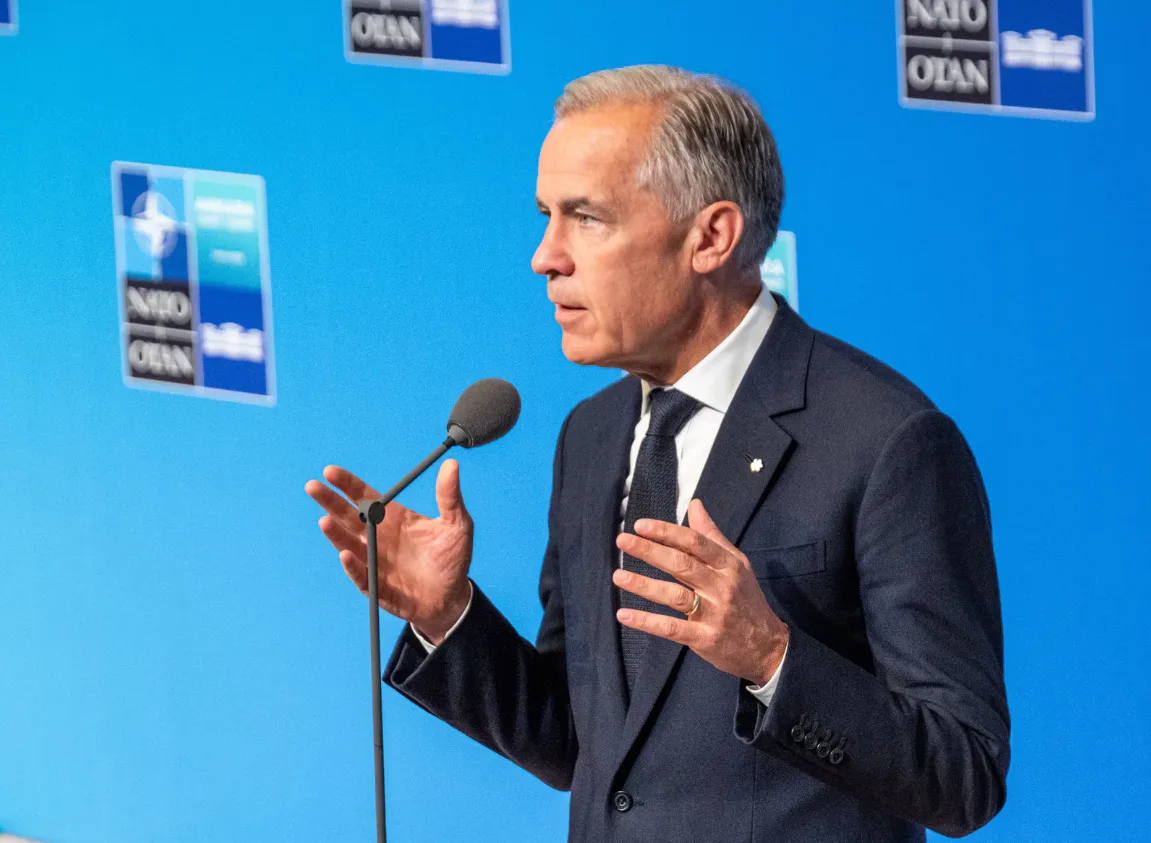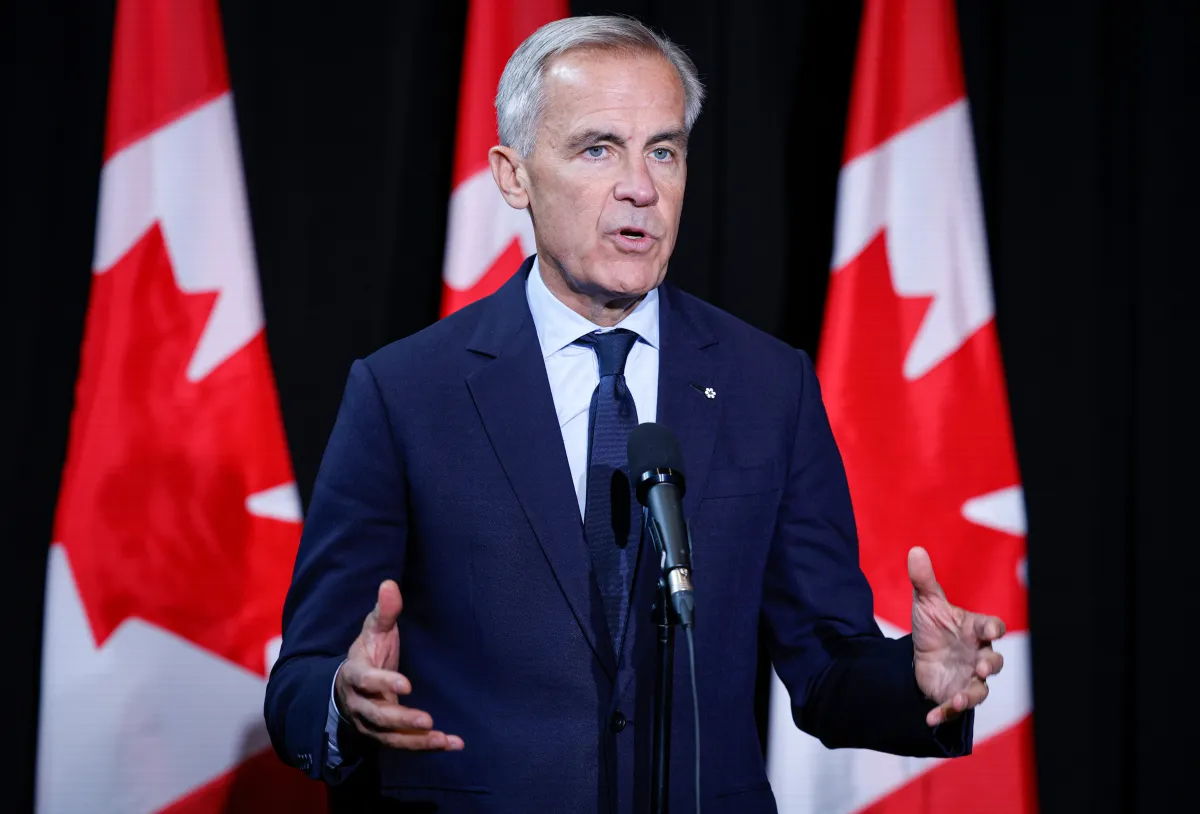
Canadian Prime Minister Mark Carney is exploring an unprecedented partnership with the European Union (EU), looking to reduce his country’s heavy economic reliance on the United States amid an escalating trade war and political friction with President Donald Trump.
Carney has discussed the possibility of Canada becoming an “associate member” of the EU, a status that does not currently exist but one that European officials are reportedly weighing, according to a Wall Street Journal report cited by Reuters. Newsweek reached out to Carney’s office and the EU for comment on Sunday.
The diplomatic pivot comes as relations between Washington and Ottawa plummet. The two neighbors remain locked in a trade war featuring tariffs on tens of billions of dollars in cross-border commerce. Meanwhile, Trump has repeatedly floated the prospect of Canada becoming the “51st state”—a notion firmly rebuffed by Ottawa.
A closer alignment with Europe would mark one of the most dramatic shifts in Canadian foreign and economic policy in generations. The U.S. has historically served as Canada’s dominant trading partner, absorbing roughly 72 percent of Canadian exports in 2025, according to data cited by Forbes.
Beyond traditional trade, discussions between Ottawa and the EU encompass strategic sectors including energy, artificial intelligence, defense, and critical minerals. According to Reuters, the talks also explore freer movement for goods, services, and workers, alongside joint initiatives in data centers, cloud infrastructure, satellite networks, undersea communications cables, and new export routes for Canadian energy to reach Europe.
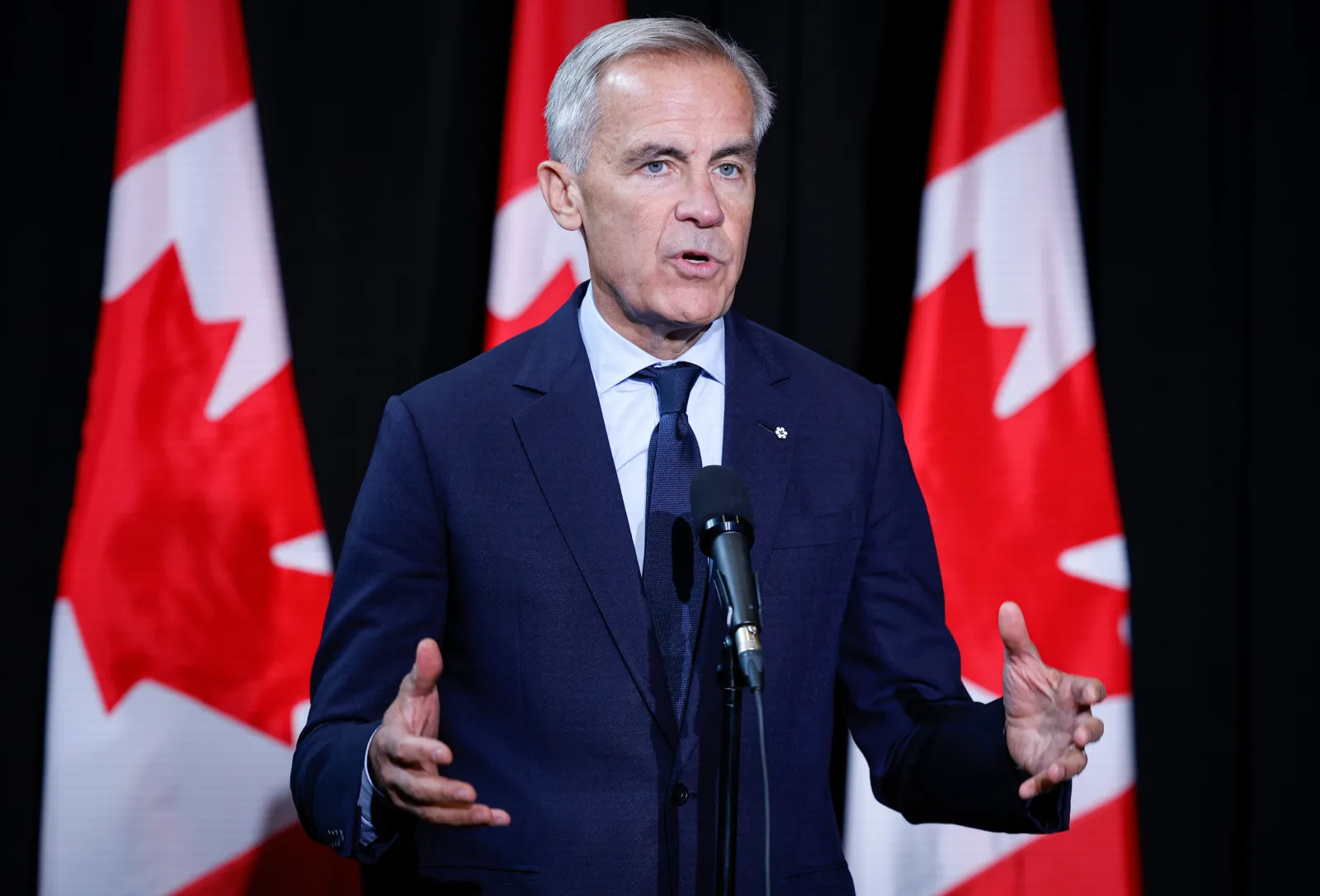
Timeline of Trump vs. Carney
January 2025: Trump Returns to the White House
Relations between Washington and Ottawa began deteriorating after Trump returned to office in January 2025. Over the following months, disputes over tariffs, trade policy and Canadian sovereignty increasingly strained one of North America’s closest bilateral relationships.
April 28, 2025: Carney Wins Election After Anti-Trump Campaign
Carney led Canada’s Liberal Party to victory in the April 2025 federal election after campaigning heavily against Trump’s tariffs and repeated suggestions that Canada should become the United States’ “51st state.” Carney argued that Canada’s sovereignty was under threat and promised to reduce the country’s economic dependence on its southern neighbor.
May 6, 2025: Trump and Carney Meet at White House
During an Oval Office meeting shortly after Carney took office, Trump again raised the idea of Canada joining the U.S., prompting a firm rebuttal from the Canadian prime minister. Carney responded that Canada was “not for sale,” underscoring a growing divide between the two leaders.
Summer 2025 to Summer 2026: Trade War Escalates
Throughout 2025 and into 2026, the U.S. and Canada exchanged tariffs on billions of dollars worth of goods. The dispute expanded beyond trade, spilling into public criticism from senior administration officials and prompting Canada to accelerate efforts to diversify its economic and strategic partnerships beyond the U.S.
September 1, 2026: Carney Tells U.S. Officials to ‘Stop Doing Memes’
As tensions intensified, Carney publicly criticized U.S. officials for mocking Canada on social media. Speaking about prospects for renewed trade negotiations, he said Washington should “stop doing memes” and “stop throwing shade” if it wanted serious talks on a future trade agreement.
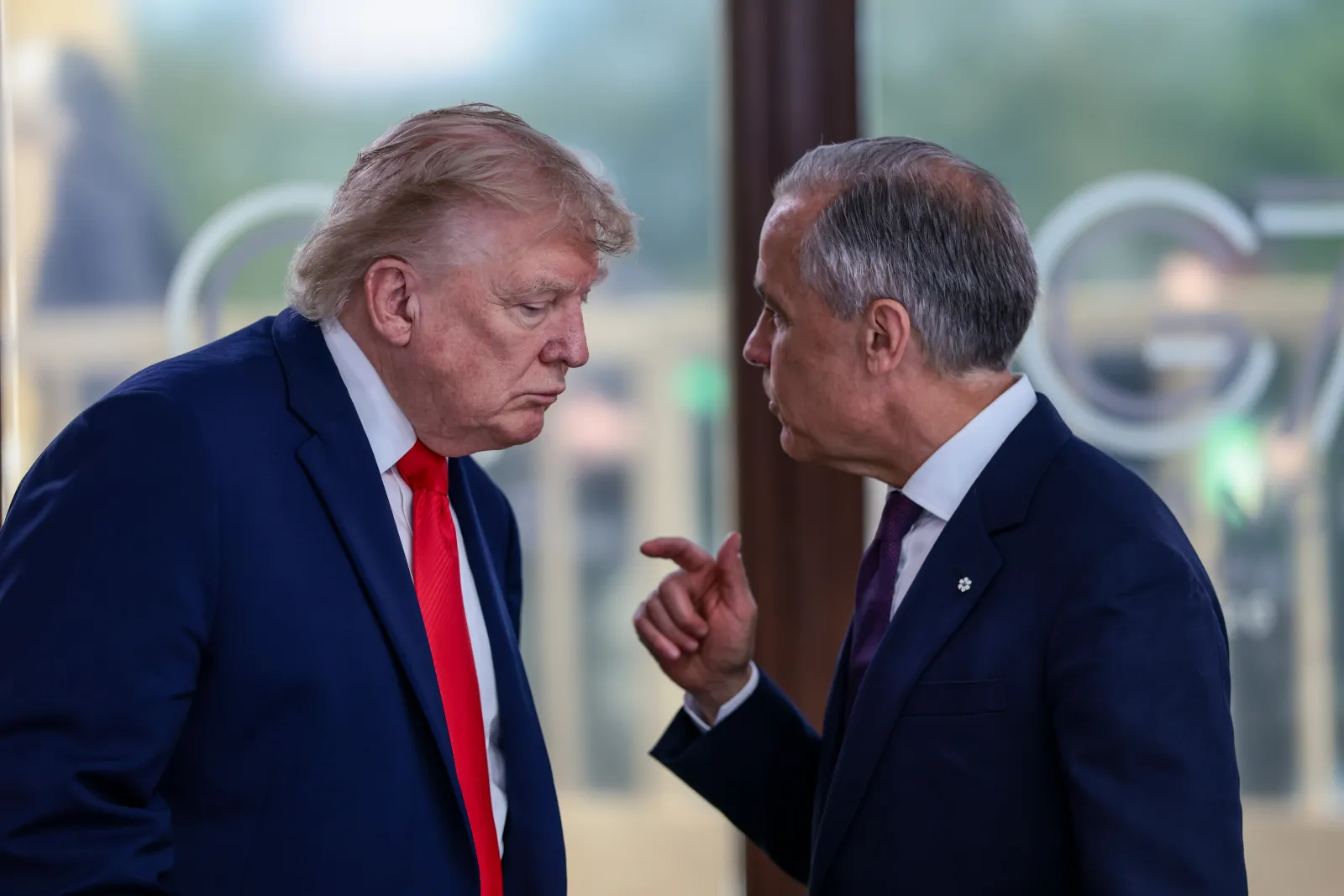
What Happens Next
Carney is expected to continue advancing the proposal during a trip to Europe this week. According to reports, he is scheduled to address the European Parliament and meet with lawmakers as part of a broader effort to strengthen Canada’s ties with the bloc.
However, significant hurdles remain. Reuters noted that the EU has historically been reluctant to create flexible membership arrangements, and even the Canada-EU Comprehensive Economic and Trade Agreement has not been fully ratified by all member states more than a decade after negotiations concluded.
As a result, any associate-member framework would likely require lengthy negotiations and political approval across Europe.
Contact Newsweek editors for this story: Steve Mollman and Anthony Murray.