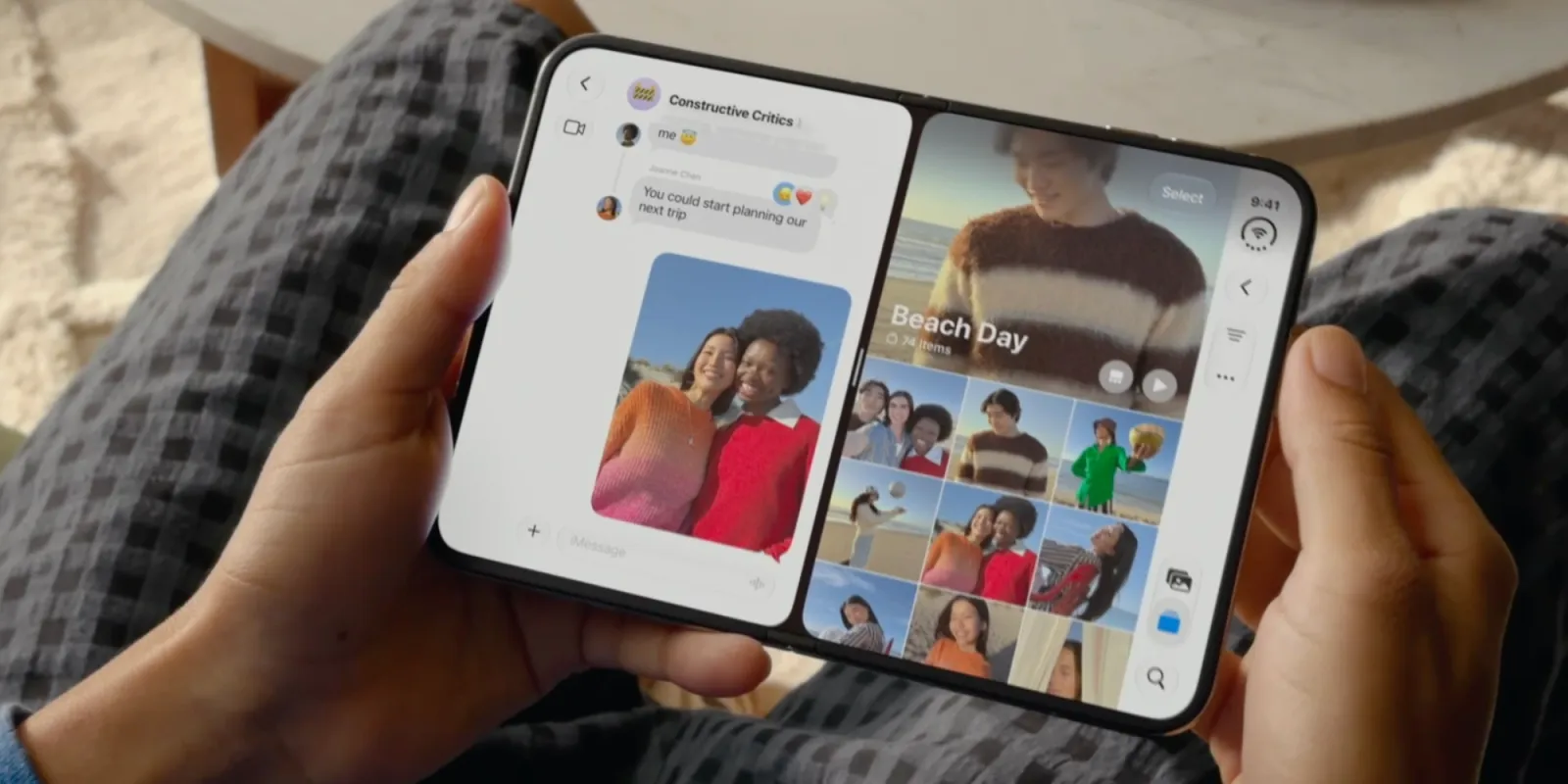
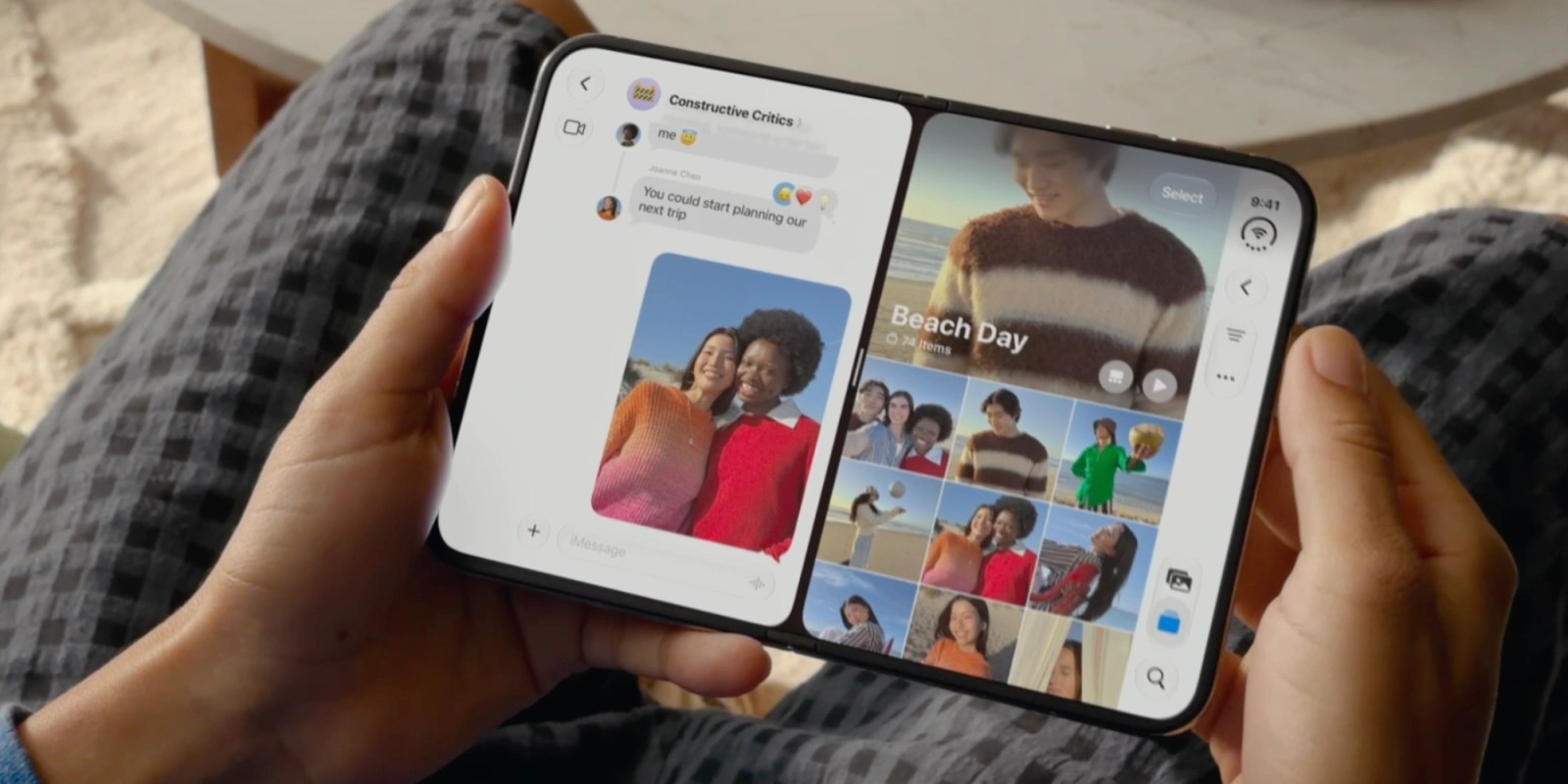
When iPhone Duo arrives next month, many third-party apps might not work as well as Apple’s built-in apps. There’s a reason for that, at least initially, though the situation should improve over time.
Three levels of iPhone Duo app support
We shared a look yesterday at how third-party software will work with iPhone Duo. There are three compatibility levels. Apps built for iOS 26 and earlier run in a mode that doesn’t take advantage of the larger display at all. If Apple released the iPhone Duo today, this is how all third-party apps would look.
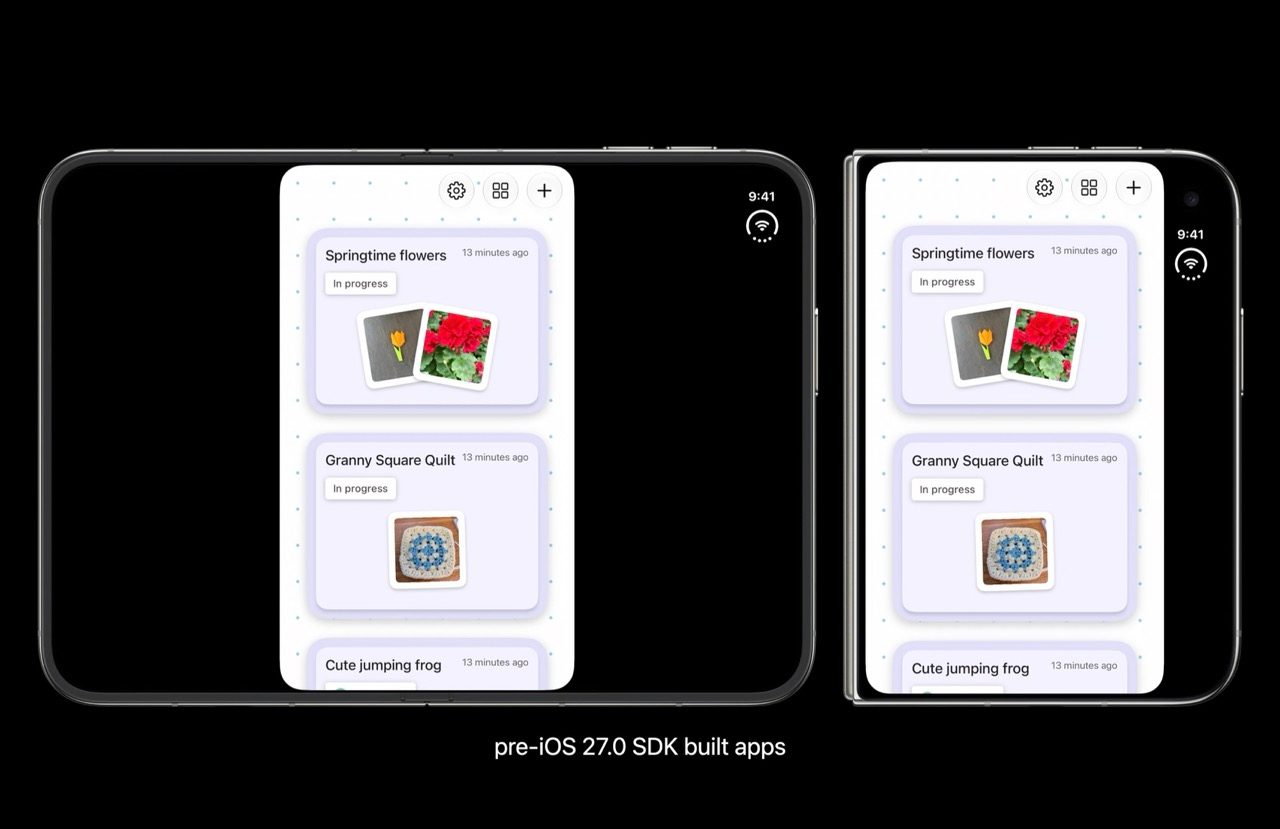
iOS 27 comes out on Monday, though, and Apple is now accepting app submissions built for the new operating system. iPhone apps built for iOS 27 look much more at home on iPhone Duo. There’s still unused screen space, but it’s not nearly as rough as the other compatibility mode.
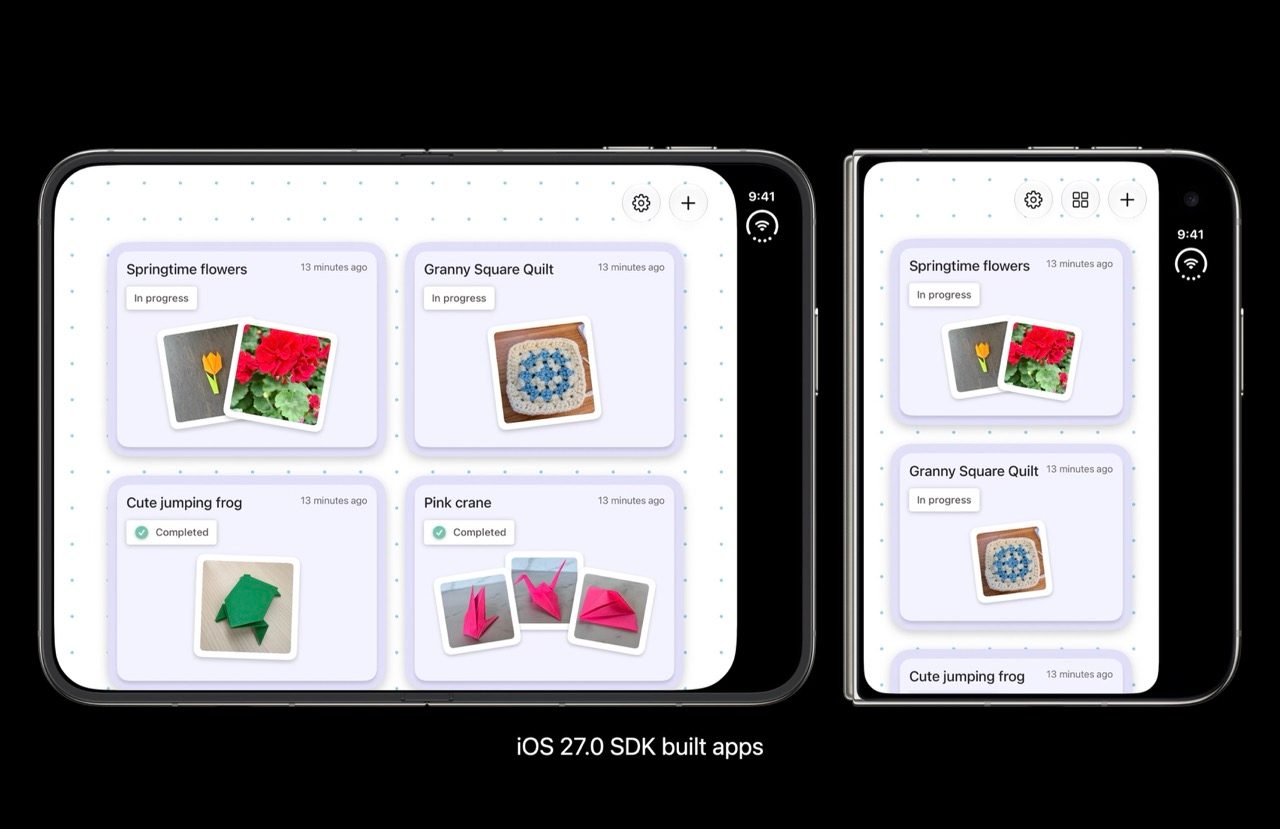
Then there’s full iPhone Duo app compatibility. This mode will see apps take full advantage of the iPhone Duo display, including moving controls previously in toolbars previously at the top over to the side.
Standard apps get a head start
If an app uses standard system controls without any custom work around toolbars and navigation bars, this mode will be what you can expect when iPhone Duo ships.
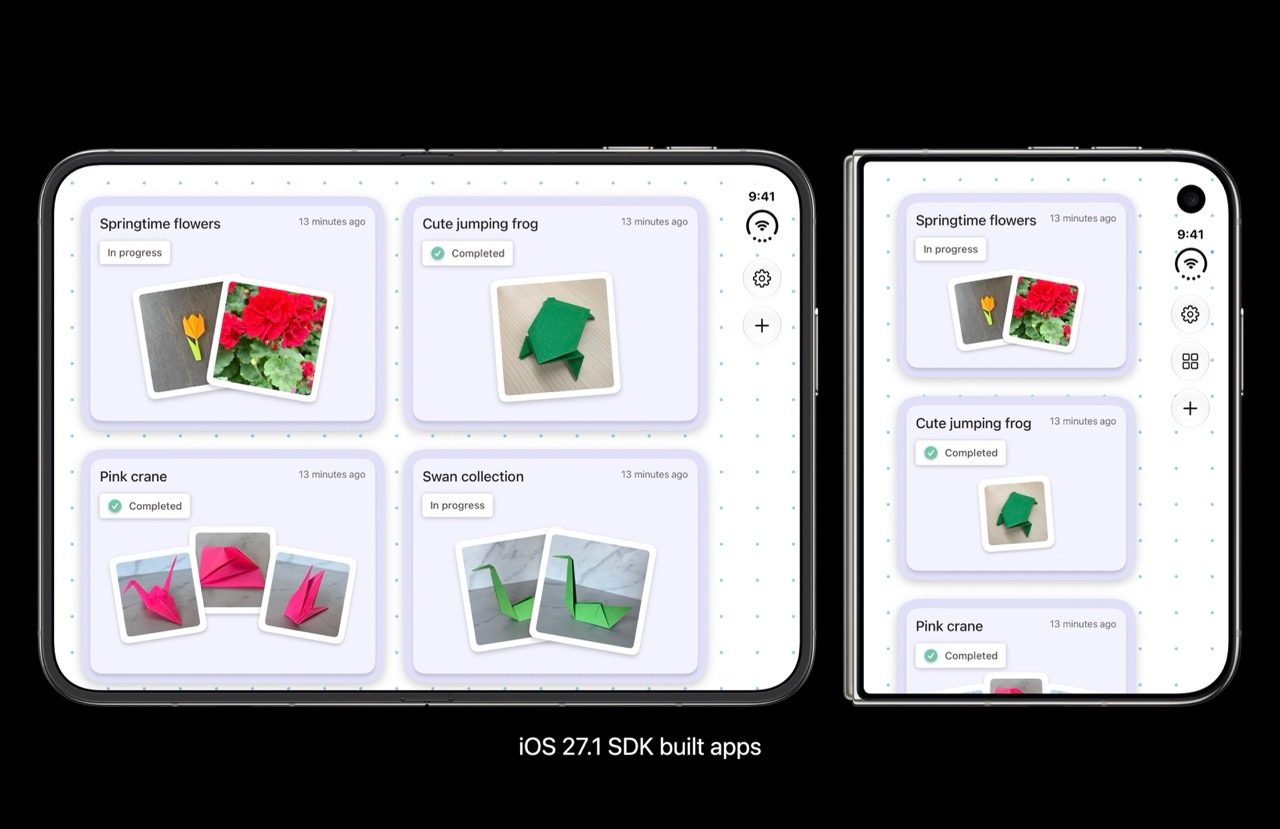
However, it’s very common for apps to use custom solutions for toolbars and navbars. Just take a look at apps that you frequently use. If they don’t look like Apple’s stock apps, there’s a good chance that they’re doing custom work in their app that won’t automatically translate.
For that reason, these kinds of apps will require a lot more work than just building against the iOS 27.1 SDK. The “automatic” compatibility really only works for apps that are strictly standard and already follow Apple’s layout suggestions without deviating at all.
The good news is that Apple will provide developers with tools to prepare their apps for the iPhone Duo before it reaches customers next month. The bad news is that this work can’t start yet.
Apple will need to release a new version of Xcode and the first iOS 27.1 developer beta before developers can test their apps. This will provide a virtual iPhone Duo through Xcode’s simulator, which will help with initial support. However, most developers won’t have access to a real iPhone Duo until launch day.
And for apps that do a lot of custom layout work, iPhone Duo software optimization will likely be a longer road. And that’s before any considerations for all the special modes that the iPhone Duo supports.
A valuable new audience for developers
But while the iPhone Duo will be niche to start, it’s also an iPhone and not a virtual reality headset or a specialized version of an otherwise specialized product.
iPhone Duo’s $2000 starting price also means that app developers can expect Duo users to be more likely to spend on the App Store. Prioritizing software updates for Duo customers might just be good business.
Still, iPhone Duo optimizations for major social media apps, banking apps, and any number of games? That will be a big area to watch over the next several months. Just don’t expect everything to be perfectly prepared on day one.
Given how new and ambitious iPhone Duo is in terms of iOS layout and features, we should expect it to be a rare gem to celebrate when a third-party app ships a great iPhone Duo app — at least for the first several months.
iPhone Duo will start arriving to customers on October 23. Pre-orders begin October 16.


FTC: We use income earning auto affiliate links. More.