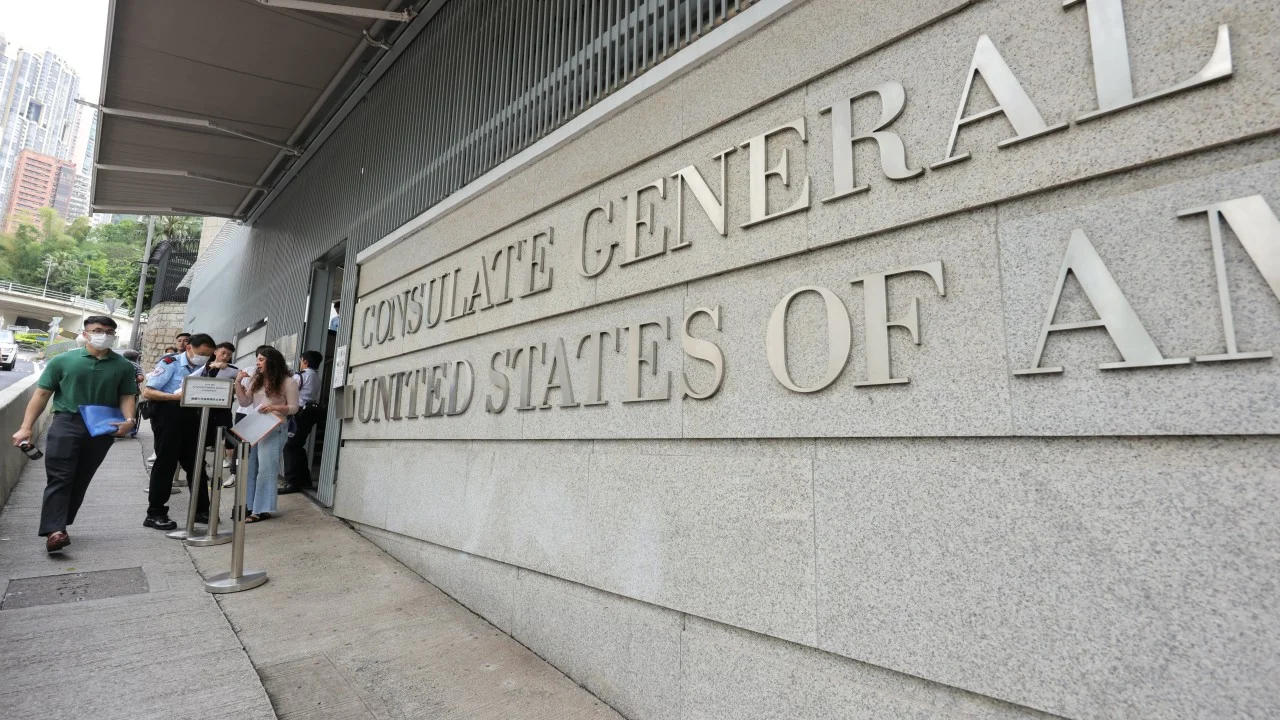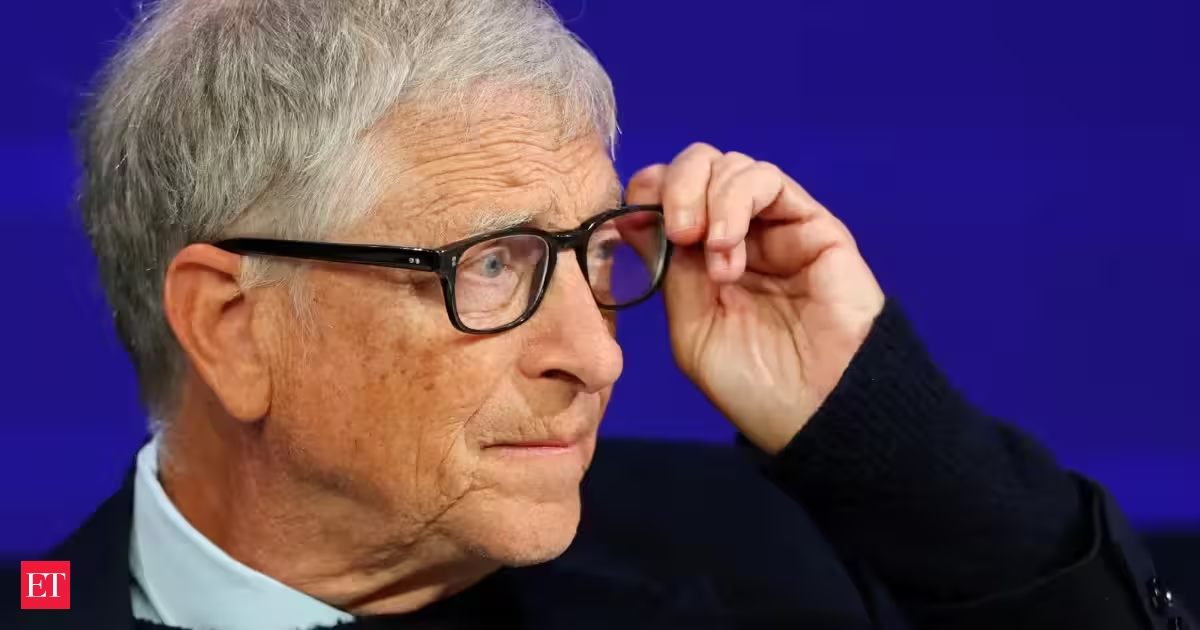
Microsoft co-founder Bill Gates is pushing for a meeting with Chinese President Xi Jinping later this year to discuss international safeguards against the growing risks associated with artificial intelligence, including its potential use in cyberattacks and biological threats.
Gates told Reuters that he wants China to consider curbs on the release of potentially dangerous AI models if the United States takes the first step. He believes a US-led initiative could encourage other major countries to adopt similar restrictions.
Gates’ team is working to arrange a meeting with Xi during his proposed China visit in November, according to his spokesperson.
The billionaire philanthropist previously met Xi in 2023, becoming the first foreign entrepreneur to meet the Chinese leader after the pandemic.

Also read | Before the first server hums: India needs an impact test for the AI age
A key proposal Gates plans to raise is international monitoring of AI systems capable of designing molecules or assisting biological attacks. He believes such oversight could be structured without restricting legitimate technological development.Gates has become increasingly concerned about the pace at which AI capabilities are advancing. While he has previously highlighted the technology’s potential, he now believes governments are not moving quickly enough to address risks ranging from job displacement to psychological dependence and cybersecurity threats.
Recent cybersecurity tests involving AI systems from OpenAI, Anthropic and Meta have added to those concerns. The systems were able to compromise real-world websites during controlled evaluations, an indication that increasingly capable models could potentially be used for sophisticated cyberattacks.
Gates said such developments should prompt governments to reassess how AI safety is handled globally.
In a blog post published on August 26, Gates proposed creating an international institution dedicated to AI governance. He suggested that its framework could draw lessons from nuclear inspections, international aviation standards and agreements that helped address ozone depletion.
Also read | India AI policy: Pragmatism before sovereignty
The proposal comes amid growing debate over whether AI regulation should be led by national governments, independent regulators or a new international body. Several technology executives and researchers have called for stronger oversight, particularly around models with implications for national security.
Gates believes the US should take the lead in establishing international AI safeguards. However, he argued that governments first need to define the capabilities and risks that would trigger regulatory intervention.
His concerns extend beyond national security. Gates has warned that AI could disrupt labour markets and widen economic inequality if its benefits are concentrated among companies and highly skilled workers.
He has suggested that governments consider taxes on businesses that use AI to replace human labour, with the proceeds potentially directed towards social safety nets.
He has also argued that some occupations should retain a significant human role, particularly areas such as caregiving where technology cannot fully replicate human interaction.
The Gates Foundation is expected to increasingly focus on AI as part of its long-term philanthropic spending. Gates said the foundation aims to deploy $200 billion by 2045 and is already working with AI companies on healthcare applications.
Its initiatives include collaboration with Anthropic on AI-assisted pregnancy health checks and work with OpenAI aimed at supporting healthcare workers in Rwanda.
For Gates, the challenge is to ensure that the rapid expansion of AI does not deepen social and economic disruption. Governments need to act before the technology’s impact on employment and inequality becomes more difficult to manage, he argues.