Your morning cup of coffee is about to get more complicated.
The problem starts in Brazil, which grows about 45% of the world’s arabica beans – the mild, kind that premium roasters love. And this year, the rain just will not stop.
Too Much Rain in the Wrong Place
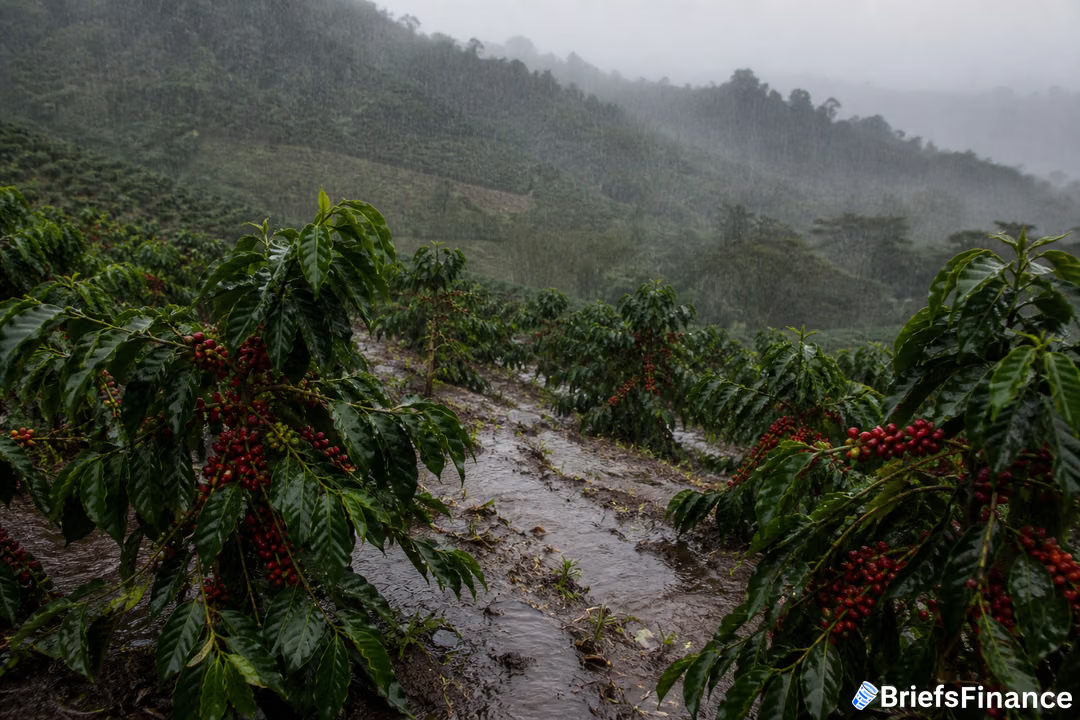
Brazil’s Cerrado Mineiro region, located some 600 kilometers north of São Paulo, experienced heavy downpours during June and July. Rainfall in coffee areas ran 250% to 500% above normal, and some spots saw eight times their usual amount.
That sounds like good news for thirsty plants. It is not.
Coffee cherries that get knocked off the trees by heavy rain end up sitting on waterlogged soil. Some stayed wet for days. Beans that linger in that dampness start to ferment and develop defects, which ruins the delicate flavors that make fine arabica worth paying for.
“The vast majority of the fastest beans end up developing quality problems, resulting in coffee with a higher grade of fermentation, which significantly affects the beverage,” said Simão de Lima, head of a coffee cooperative.
Rising coffee costs are a reminder to invest regularly, so get the free Always Be Buying E-Book for steady wealth
In a normal year, about 5% to 7% of the cherry crop falls to the ground. Lima expects losses around 20% this year. And an extra round of rain in July hit coffee that was already drying, forcing producers to start the drying process all over again.
“You have coffee that’s already drying on the ground, then more rain falls on that coffee and you have to start staging all over again,” Lima said.
What This Means for Prices
The damage is not just about quantity. It is about quality. Exchange-grade coffee – the stuff that can be traded on futures markets – has to pass professional tasters. It must be sound, not stale or unwashed, with good roasting characteristics and the right size and color.
Normally, about 30% to 35% of Brazil’s coffee qualifies for those exchange standards. Lima estimates that this year, only 10% to 15% will make the cut.
That scarcity is showing up in the physical market, where top Brazilian coffee is fetching up to 15 cents per pound more than the New York futures price. Stockpiles in U.S. and European warehouses are shrinking, with global inventories near their lowest levels since the turn of the century.
The catch: even buyers who usually blend different coffee sources are competing for a smaller pool of premium beans. Companies like Starbucks and Lavazza have options – they can raise prices for their premium lines or mix in more lower-grade coffee. But there is only so much high-quality arabica to go around.
What It Means for Your Wallet
The upcoming harvest is expected to produce a bumper crop. That sounds reassuring, but it does not solve the quality problem.
Cristina Scoccella points out that some of the price increase is driven by market dynamics, not just quality issues. She said that well-funded farmers are not desperate to sell, which pushes prices higher.
Brazil’s dominant position in the global arabica market means that even a modest drop in high-quality output can shift prices worldwide. When the supply of premium beans shrinks, roasters who need them for top-shelf offerings must compete aggressively, driving up costs for the most desirable lots.
For you, the buyer, this plays out in two ways. Premium coffee could get pricier as roasters pay up for scarce high-grade beans.
The good news is that the market is working. Higher prices encourage farmers to protect their crops and invest in better drying equipment. But for now, if you have a favorite specialty roast, it might be worth locking in a bag or two before the next harvest proves what this season’s rain really cost.
Heavy rain in Brazil hurts coffee, but you can build wealth anyway with the Always Be Buying E-Book