
The public is no samaritan in pop culture. Each conversation about someone in the highest echelons of culture, whether artist or influencer, is an examination, a clinically invasive test of their body shape, weight or even their level of fame.
But behind that unabashed negativity lies a bigger picture: the ones who critique find themselves conforming to the digitally-altered physical ideals they pressure onto others.
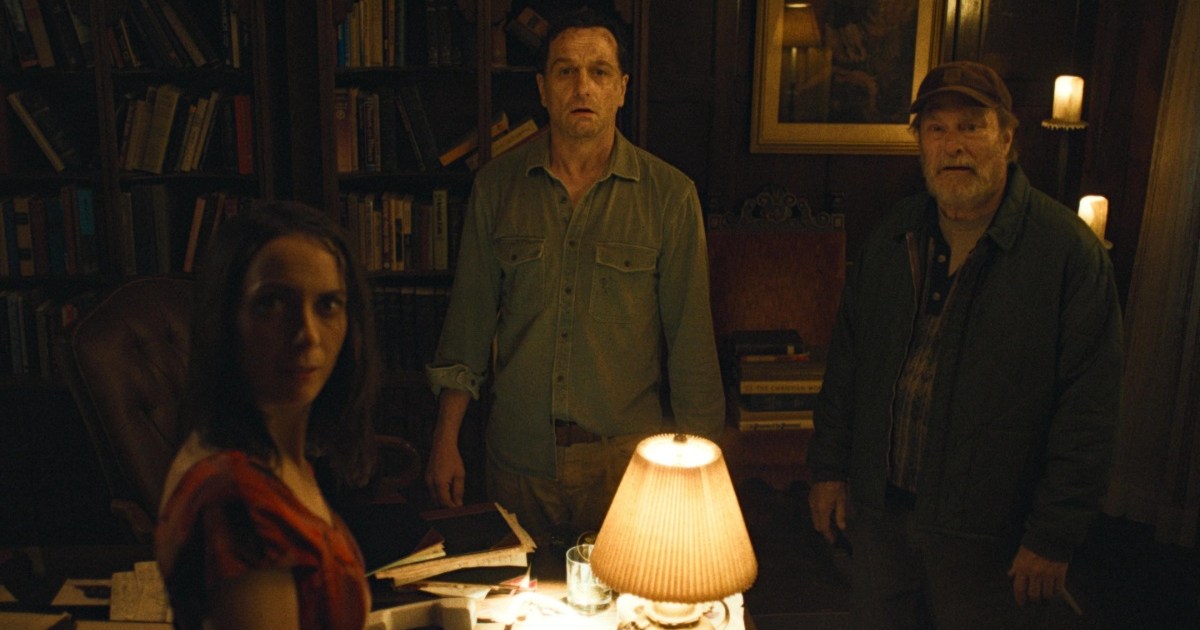
The current examination is centered around Grammy-winning singer and actress Ariana Grande. With the release of her eighth studio album “petal” and the titular music video, she makes an illustrious return to the pop circle — on the stage and glistening in the eyes of her fanbase.
However, diving deep into the music video, beyond the lyricism, I found that she eloquently visualized the very issues plaguing her: the horror of critique in the entertainment industry, as well as the egregious commodification of women by public opinion.
The public thrives on treating women as products, objects or economic units rather than as equal human beings — viewing their bodies as a visual commodity for profit or worthless and untouchable.
Seeking to rebel against the objectification of women is not radical feminism, but morally and humanly compassionate.
The public’s mantra is this: if you meet or exceed the beauty standards, you’re doing too much; if you fail to meet them, you’re nothing. This horrible sense of objectification and rejection is not only harmful, but highly exploitative.
And this public shame regarding body image extends far beyond Ariana Grande — Demi Moore, Meghan Trainor, Kelly Osbourne and even the women that exist in your life.
Sadly, social media algorithms and influencer culture monetize physical appearance, which presses individuals into a continuous cycle of self and public surveillance, commercializing their bodies.
And when the climax of this cycle hits, it’s natural to step back from the public eye and temporarily take a break from our passions.
Just recently, Ariana Grande and her team announced that she would enter a hiatus period after her tour, giving herself a “much-deserved break from public-facing work and appearances.”
And whether this break is due to public scrutiny, an impulsive decision or her endless loop of appearances and productions, it is owed to herself — not to any of us.
To many, she is a role model, as is every celebrity or public figure to their dedicated, tenacious fanbases. But even on such a high platform, one can still see the bottom; whether you fall into it or stay balanced is all contingent on the love you give to yourself.
Back in April, I watched my personal pop princess, Addison Rae, perform on the Coachella main stage for the first time in history. Before her expansive, avant-garde performance of “Aquamarine” with Maddie Ziegler, her angelic overture blared through the openness of the Empire Polo Club in Indio, California with a clear message:
“In life, you will come face to face with who you are and who others have told you to be.
And only then can you let go of what you do not control and decide to be free.”
The weight of that realization is heavy. It’s hard to imagine the public taking this message seriously, given her social and cultural origins. But as someone who admires her authenticity and understands how she escaped the confines of her life in Louisiana, I recognize that this message is deeply introspective and personal.
The direction of your personal and professional endeavors doesn’t lie in the hands of those around you, but instead in the person you see in the mirror. It’s draining to live under the weight of external expectations — trust me, we all know this dire feeling.
Ariana Grande is rejecting just that: the beauty standards, harsh critiques and the contemporary commercialization of women. Her break and important message all signal one conclusion — that
celebrities are equally as human as all of us.
She had been faced with many questions and accusations — “entrenched” in an eating disorder, as well as physical and psychological damage from the production “Wicked.”
These are highly sensitive topics for pop culture and our subconsciousness. While it’s natural to feel a drive to help someone, the right thing to do occasionally is to reject conclusions, offer your help and wait until one asks for your assistance. Sometimes, you never know how space and peace within yourself are powerful for rehabilitation.
We may not be able to control the narratives of the social blueprints or public perception, but we do control the narrative of our own beauty and story.