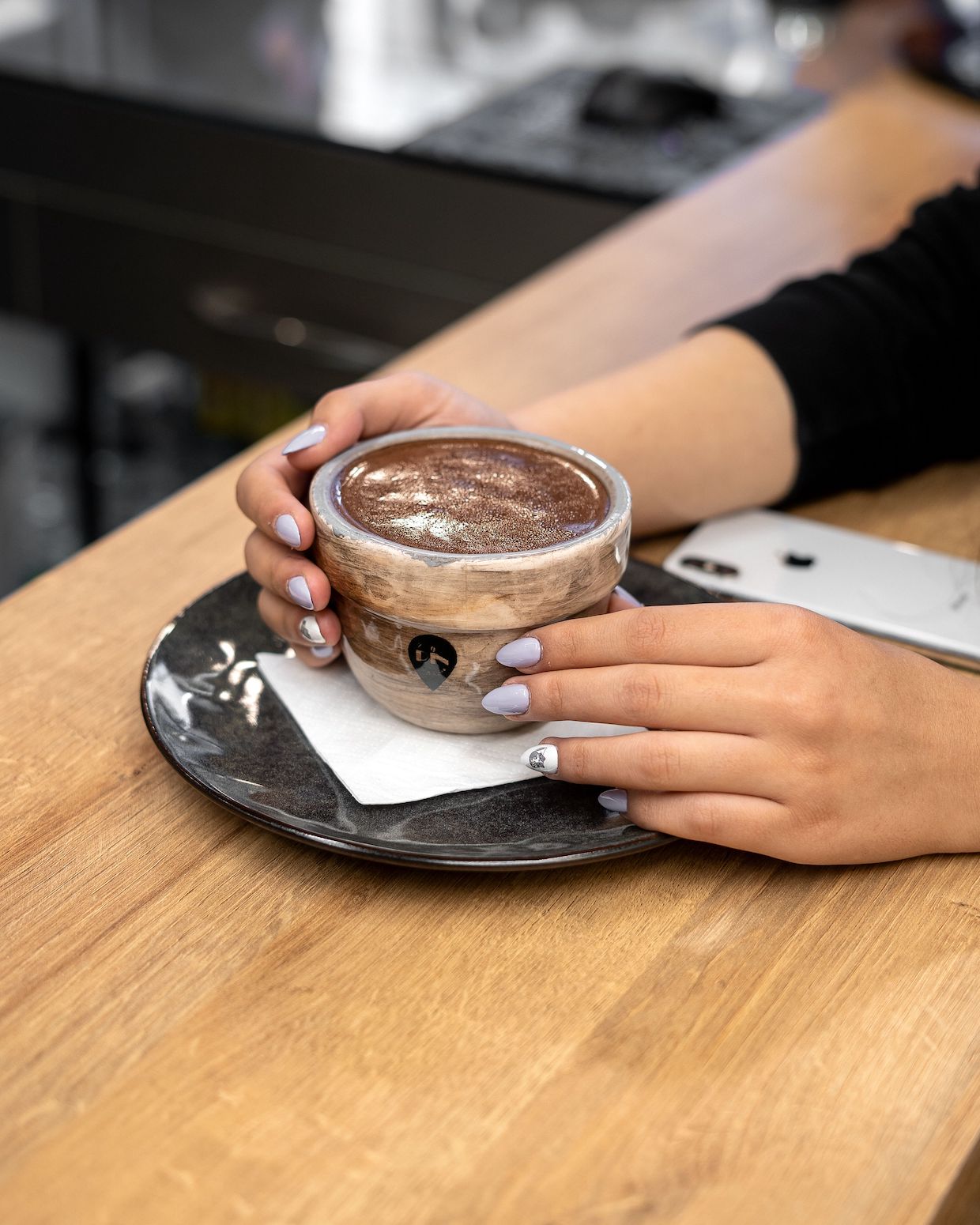
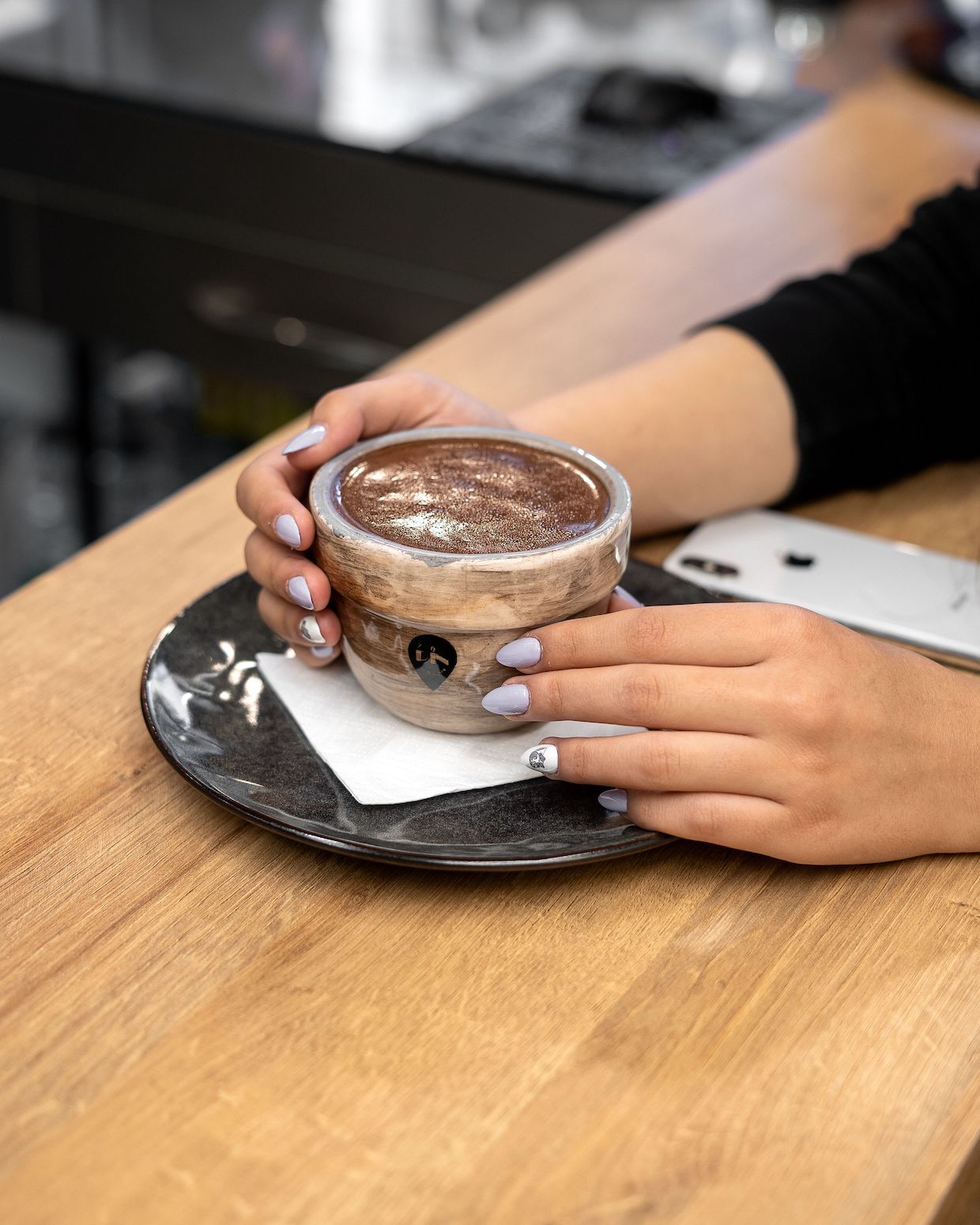
A new coffee-focused sensory study suggests that what people feel with their hands — including the texture of cup sleeves, desks, menus or even phones — may subtly influence what they perceive in the cup.
Published online June 3 in Multisensory Research, the study found that blindfolded participants rated coffee as less acidic when tactile sensations were smooth rather than rough, even when those sensations came from objects not attached to the cup.
The research was led by Natsumi Kubo and Atsunori Ariga of the Department of Psychology at Chuo University in Tokyo.
The paper adds to a growing body of coffee research suggesting that flavor perception is shaped not only by roasted coffee chemistry, brewing method or inherent attributes of the coffee, but also by external sensory cues.
Smooth vs. Rough
In the new study’s first experiment, 92 blindfolded Japanese participants drank black coffee from cups fitted with either a rough sleeve made from sandpaper or a smooth sleeve made from kraft paper, according to Chuo. The coffee, identified in the study abstract as a “Rich Blend” capsule from Nestlé, was served at 68°C, with about 115 milliliters per serving.
Participants who drank from the rough-sleeve cups before the smooth-sleeve cups perceived the coffee from the smooth-sleeve cups as less acidic. The effect did not appear when the order was reversed.
The researchers said the design helped isolate hand feel from other cues. Participants were blindfolded, and the cups themselves were made from the same material, reducing the possible influence of sight or lip feel. Chuo said effects on sweetness and aftertaste were not confirmed.
Other Rough Stuff
Two additional experiments tested whether the tactile cue needed to come from the cup itself, and whether the timing of touch and taste mattered.
In Experiment 2, involving 24 participants, the tactile-to-taste effect appeared when participants touched a separate smooth or rough object with the opposite hand while drinking. In Experiment 3, involving 48 participants, the effect disappeared when the touching and drinking were not synchronized. As the study abstract put it, the stimuli “must happen at the same time but do not have to come from the same object.”
In practical terms, the study suggests that cup sleeves may be only one part of a broader multisensory drinking environment. Chuo’s release pointed to objects commonly touched while drinking coffee, such as desks, menus and smartphones, as possible contributors to perceived flavor.
The work follows previous coffee-focused studies by Fabiana Carvalho, Charles Spence and collaborators on how cup color, shape and texture affected perceptions of specialty coffee. In one texture-focused study involving 231 participants, Q Graders perceived coffee as more acidic from rough cups, while consumers perceived coffee as sweeter from smooth cups. Both groups described aftertaste as drier from rough cups.
The new study was limited to black coffee, controlled lab-like tasting conditions and Japanese participants, meaning the findings may not translate directly to real-world cafe settings or other consumer groups.
Funding and competing-interest disclosures were not available in the public abstract or university materials reviewed by DCN.
Comments? Questions? News to share? Contact DCN’s editors here. For all the latest coffee industry news, subscribe to the DCN newsletter.