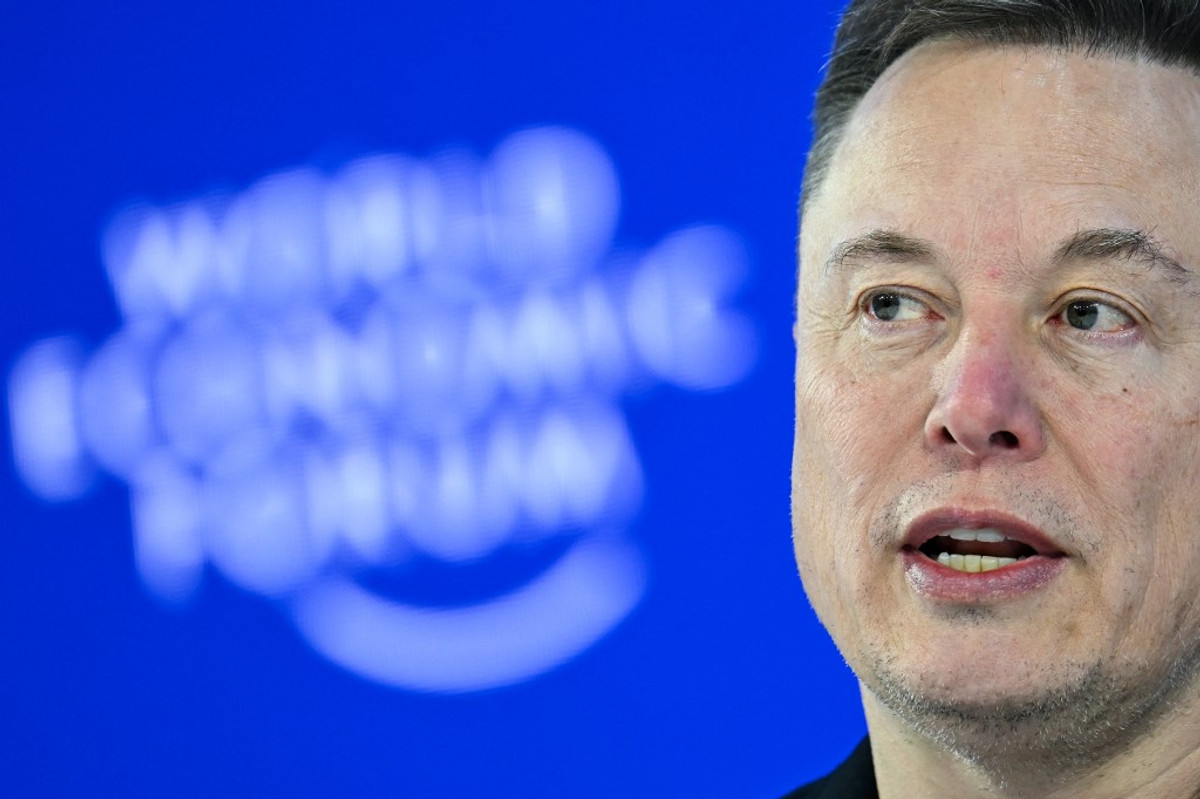
American tech billionaire Elon Musk is currently refusing to grant Ukraine permission to use the Starlink satellite network for targeting strikes inside Russian territory, The Atlantic reported.
The refusal comes despite direct appeals from Kyiv. During a recent meeting, President Volodymyr Zelensky reportedly asked US President Donald Trump to intervene and pressure Musk into lifting the geographical restrictions on the SpaceX-operated network.
JOIN US ON TELEGRAM
Follow our coverage of the war on the @Kyivpost_official.
Zelensky aims to utilize the satellite system to guide long-range strikes against the Russian missile batteries that routinely bombard Kyiv and other Ukrainian cities.
However, Trump reportedly did not give a clear answer regarding whether he would support the proposal or press Musk on the issue.
Backchannel efforts hit a wall
Former Ukrainian Defense Minister Mykhailo Fedorov has also been attempting to sway the billionaire. Two of Fedorov’s close associates in Kyiv told The Atlantic that he has been using informal backchannels to reach out to Musk since stepping down from his post.
Despite these efforts, Musk remains unwilling to yield.
“At the moment, there is no positive decision,” one of Fedorov’s associates said on Wednesday.
Musk reportedly continues to argue with Fedorov over the potential risks of Russian escalation if the Starlink network is used to facilitate deep strikes. According to the associate, Musk repeatedly tells Ukrainian officials that “it is time to make a deal” to end the war.

Other Topics of Interest
Russian Drones Strike Sumy Train and Kherson Civilians
Russian drone strikes on Saturday morning targeted a passenger train locomotive in the Sumy region and wounded at least four civilians in the southern city of Kherson.
Patriot production plans stall
Musk’s hesitation regarding Starlink usage mirrors broader challenges Ukraine faces in securing advanced American military technology and permissions for long-range strikes.
While Kyiv continues to lobby for unrestricted use of Western weapons, joint production agreements have also hit roadblocks.
On Monday, Aug. 3, US Ambassador to NATO Matthew Whitaker confirmed that Washington will not allow Ukraine to domestically produce Patriot interceptor missiles, dialing back earlier commitments made by the Trump administration.
“I don’t think anything has changed,” Whitaker said on Fox Business. “Patriot interceptors are very controlled export-wise, and we do not allow anybody but US manufacturers to make those.”
Trump first floated the idea of granting Ukraine a license to produce the highly sought-after interceptors during a July NATO summit in Ankara, telling Zelensky: “We’ll give them the right to make Patriots. We’ll show them how to do it.”
However, Trump softened his stance during a late July Cabinet meeting at Camp David, stating that giving away such sensitive technology was difficult because recipient countries “can someday turn on you.”