
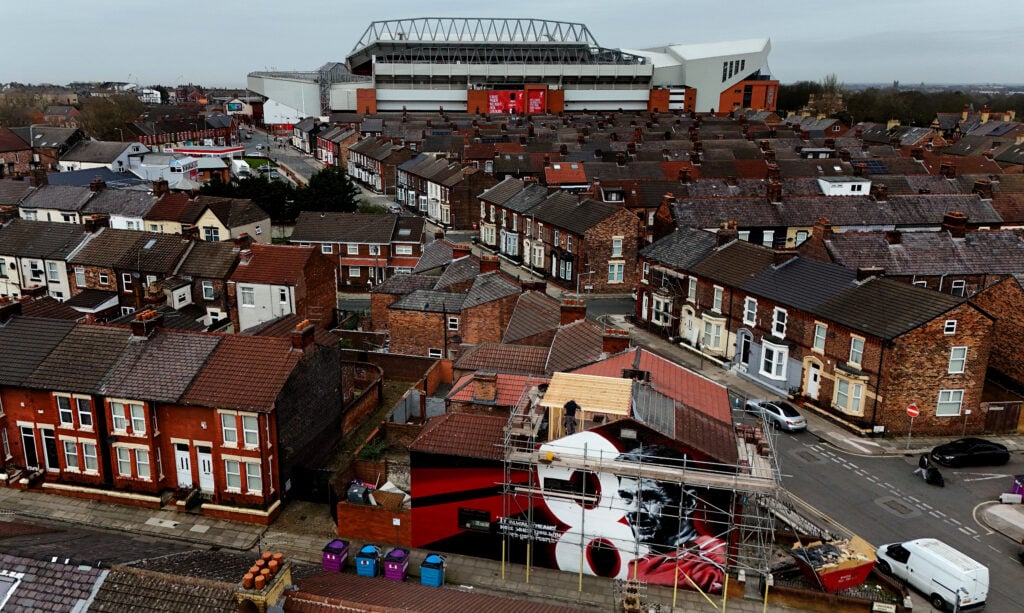
Unlike almost every sports franchise in America, Premier League clubs lose money in most seasons. Liverpool FC, one of the biggest clubs of them all, are no exception.
Since they were bought by Boston Red Sox owners Fenway Sports Group in 2010, the 20-time champions of England and six-time Champions League winners have posted cumulative losses of £50m
And they are towards the more sustainable end of the spectrum.
Chelsea are an extreme case, but they lost over £300m at the operating level in the last financial year alone. In 2024-25, Premier League teams lost just short of £950m – and that was even with some clubs booking artificial profits through one-off, intra-company asset sales.
All this is despite record revenues across the Premier League. And therein lies the problem, without the revenue sharing and cost limits that are in place in North American franchise leagues, Premier League clubs have spent themselves into an inflationary spiral. Without an NBA or NFL-style spending cap, that will never change. And while that remains the case, costs will exceed revenue and the likes of Liverpool will, at best, break even.
So why would someone like Jeff Bezos, who is not in the habit of throwing good money after bad, consider investing in a club like Liverpool at a valuation of $6bn?
Liverpool an ‘executive toy’ for Bezos
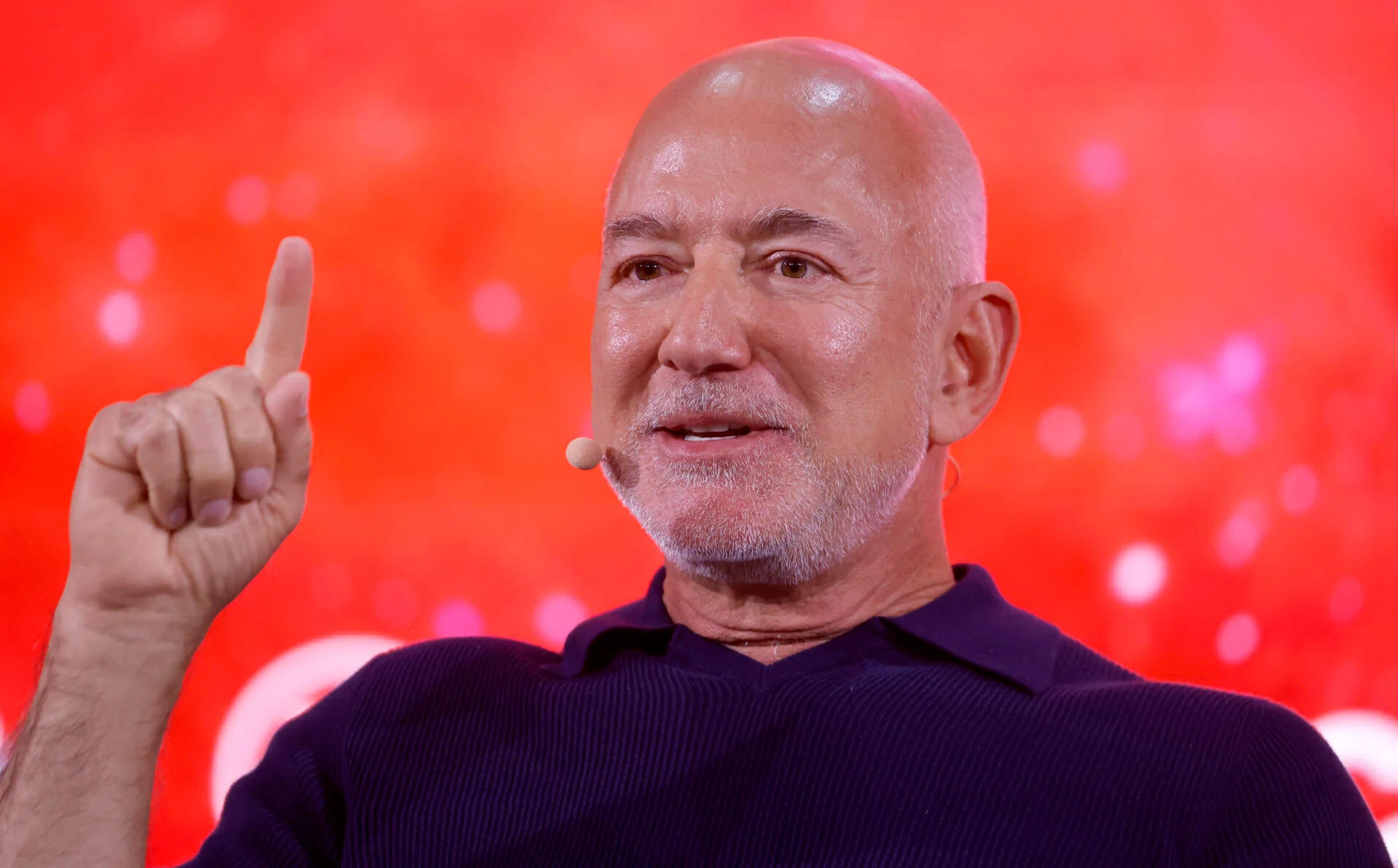
Amazon founder and CEO Bezos has had conversations with the leaders of a consortium looking to purchase a 30 per cent stake in the Anfield club.
According to Professor Kieran Maguire, author of the Price of Football, Bezos would be investing for prestige and fun rather than because the business fundamentals justify the valuation placed on Liverpool by FSG.
“Bezos is worth over $200bn. If he doubles his investment from this deal, it will barely register to him.
MORE PREMIER LEAGUE STORIES
“For some billionaires, football clubs are an executive toy. Rather than expecting a huge return on investment, it’s a vanity purchase.
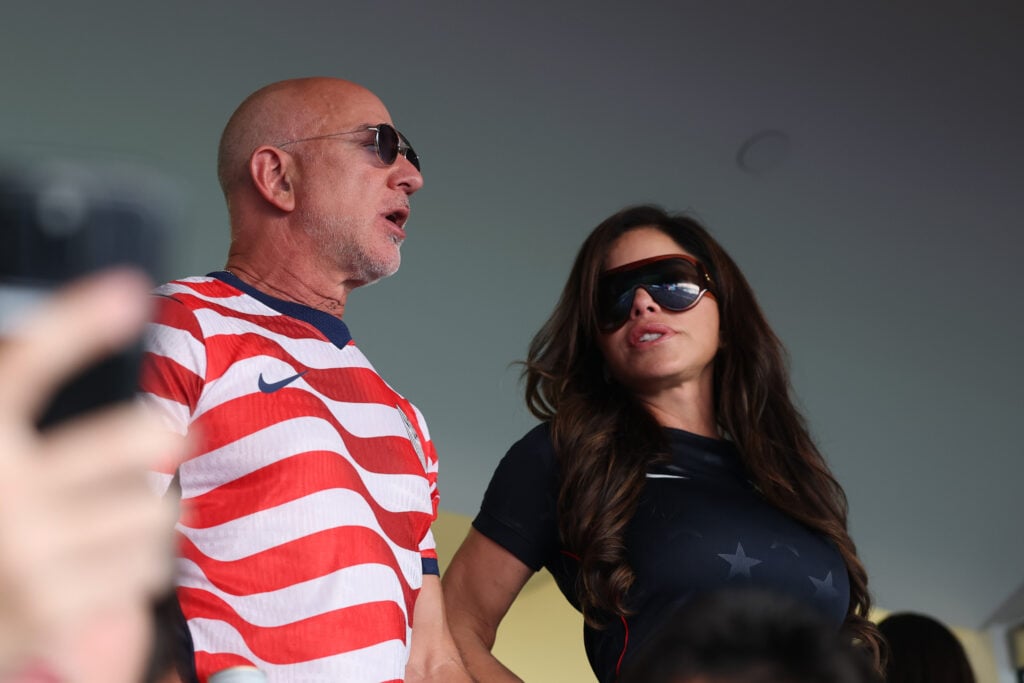
“When clubs cost this much, there are only so many people who can afford them – and what else are they going to do with the money?”
If that is the stance of Bezos and others, it is different from the likes of Dynasty Equity, another minority shareholder in Liverpool. They have said that they are investing in the club for their global appeal and scalability.
Without profits, however, Dynasty Equity will not make any money from Liverpool. The only hope is to sell their stake onto another buyer. And as valuations keep rising, the pool of buyers who are interested in a small stake for vanity purchases gets smaller and smaller.
Receive exclusive football transfer news and updates twice a week to your mailbox