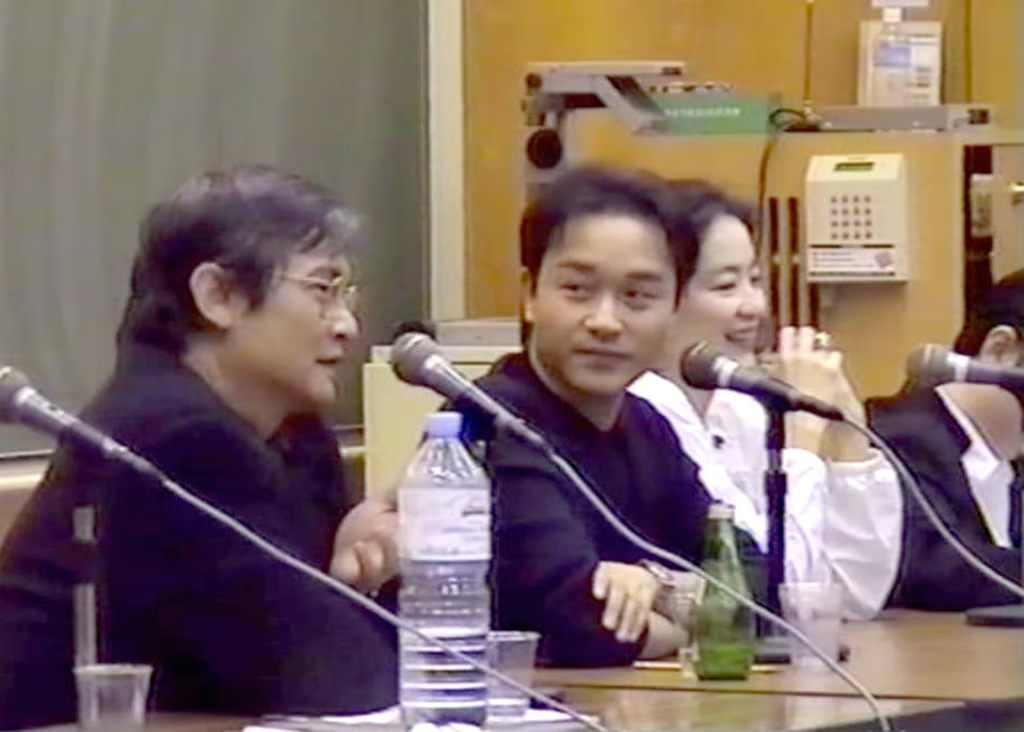
Ackbar Abbas, a Hong Kong-born scholar whose influence extended beyond academia to shape artists, filmmakers, writers and many others, died on July 13 at the age of 84 after a brief battle with cancer.
Over decades of teaching at the University of Hong Kong (HKU) and the University of California, Irvine (UCI), Abbas did not simply analyse Hong Kong – he altered the way Hong Kong could be described.
His 1997 book Hong Kong: Culture and the Politics of Disappearance was particularly influential. It gave the world a lexicon for a city that often feels as though it is arriving, vanishing and reinventing itself all at once. Nearly three decades after the book’s publication, institutions, exhibitions and writers in Hong Kong still return to his phrases when they want to explain what the city feels like from the inside.
Abbas coined the terms “déjà disparu” – a peculiar form of anticipatory nostalgia – and “reverse hallucination”, meaning the failure to see what is right in front of you because the visual field is overrun by speed, cliché and saturation. Both are rooted in the rapid change and existential dramas of 1990s Hong Kong, but they captured the imagination of scholars and thinkers well beyond Abbas’ hometown.
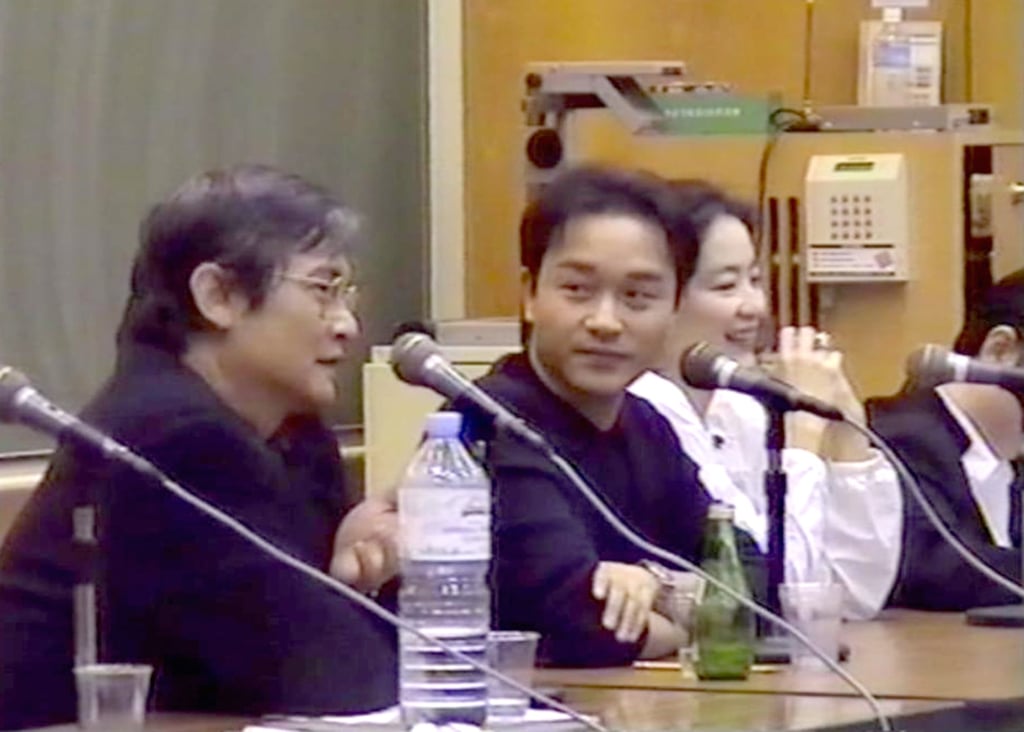
More recently, he championed intellectual frameworks that promote more flexible ways of understanding culture instead of rigid, all-encompassing theories. These, such as the “poor theory” approach, have proven influential and are evidence of a life of constant interrogation and reflection.