SEATTLE — Washington Attorney General Nick Brown is asking a King County judge to shut down 16 casino-style mobile applications and recover more than $225 million that residents spent on virtual coins, chips and credits, in a case testing whether a game can constitute illegal gambling even when players cannot cash out their winnings.
The lawsuit against Playtika, Aristocrat and affiliated companies alleges more than 150,000 Washington residents use the apps each month.
According to the complaint, Washington players made more than 8 million purchases totaling over $151 million in Playtika apps and more than 2.25 million purchases totaling over $74 million in Aristocrat apps since September 2020.
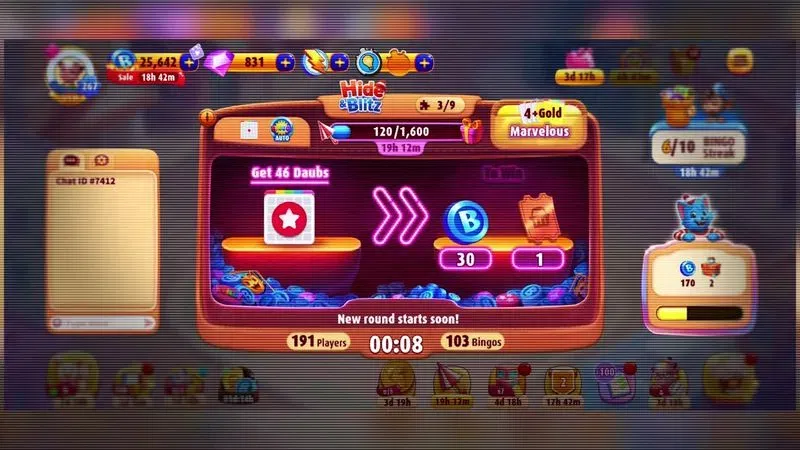
The apps include Slotomania, House of Fun, Caesars Casino Slots, Bingo Blitz, and other games built around virtual slots, poker, bingo and scratch cards. They are free to download, but players can spend real money for virtual currency that is then bet or staked inside the apps. The companies do not allow that currency to be converted directly into cash.

An image of a social casino app. (KOMO)
At the center of the case is Washington’s unusually broad statutory definition of a “thing of value.”
State law defines gambling as staking or risking something of value on a contest of chance with the understanding that something of value will be received after a particular outcome. A “thing of value” can include the extension of entertainment or “a privilege of playing at a game or scheme without charge.”
The Attorney General’s Office argues that virtual winnings have value because players can use them to make more bets. Cordova compared the apps to a traditional casino that refuses to exchange chips for cash but keeps the chips on account so a customer can return and continue gambling.
“What you’re actually paying for is you’re paying to place a bet,” Cordova said. “The player even decides what the size of that wager is.”
The state’s position draws heavily from the 2018 federal appeals court decision in Kater v. Churchill Downs. The Ninth Circuit held that Big Fish Casino constituted illegal gambling under Washington law because its virtual chips extended the privilege of playing, even though the chips had no authorized cash value. The ruling rested on Washington’s definition of “thing of value,” not on the existence of a lawful cash-out feature.
But Kater involved Big Fish Casino and allegations that users who exhausted their free chips had to purchase more to continue playing. Playtika says its games now include a “continuous play” or “Another Chance” feature that allows players to receive enough free currency to return to a low-stakes version of a game without paying. The company argues that distinction means players never have to spend money to continue.
The state says that feature does not change the essential transaction: Players can buy virtual currency, select how much to wager on a chance outcome and receive more virtual currency when they win. The complaint also says the legality of the post-settlement games was never decided on its merits.
The lawsuit is not limited to the legal definition of gambling. It alleges the companies knew some Washington players were reporting severe financial and emotional harm.
The complaint quotes messages in which users described debt, depression, damaged relationships and difficulty stopping. “Am on the way to a divorce because of all the money I spend on this game,” one Playtika user wrote, according to the complaint. Another said the game had damaged the user’s credit and led to intense self-loathing. One message described suicidal thoughts and living in a vehicle after spending money on an app. Those statements are allegations quoted by the state and have not been tested in court.
The state also alleges the apps do not request identification or even a date of birth before allowing play. The complaint says Playtika’s Bingo Blitz uses cartoon cats, childlike story lines and craft-oriented online videos while keeping its 21-and-older restriction in terms of service located outside the app.
Becky Harris, a former chair of the Nevada Gaming Control Board and a distinguished fellow at the University of Nevada, Las Vegas, said the apps should be treated as social entertainment rather than gambling because they are free to play and do not award cash or a redeemable prize from gameplay.
Harris said casino imagery is “window dressing” and should not determine the legal classification of a game.
“The games haven’t changed,” Harris said. “It’s really Washington’s interpretation that’s changed.” She warned that a broad interpretation could create uncertainty for other video games that sell lives, boosts or virtual items to extend play.
Playtika points to years of Washington State Gambling Commission materials as evidence that companies had reason to believe games without cash prizes were legal.
A 2014 commission brochure carried the heading, “No Prize = No Gambling = OK To Play.” It told consumers that buying virtual money was not gambling when virtual winnings or points could not be sold or redeemed for real money or prizes.
The Gambling Commission’s April 2018 statement after Kater was similarly limited. The agency said it was not a party to the case, had not testified and had not ordered PokerStars or other sites to discontinue free online play in Washington.
The regulatory message became more direct in January 2025, when the commission cited Kater and a subsequent federal case and warned that games of chance requiring players to wager virtual currency purchased with real money were likely illegal gambling. Playtika describes that as an abrupt reversal. The state says it was the application of existing law and court decisions, not a newly created rule.
Because of all of that, Playtika has filed a motion to dismiss the case.
The state contends the Attorney General has broad authority to act on matters of public concern and can invoke the gambling-loss statute to protect the public. It also seeks restitution, disgorgement, an injunction and civil penalties under the Consumer Protection Act, which expressly authorizes the Attorney General to bring cases in the name of the state or on behalf of residents.
The motion is noted for oral argument next month in a King County courtroom. Cordova said a final resolution could take two to three years.