New Delhi: Demand for premium mobile phones will drive handset production and export growth in value terms, aligning with the targets under the production-linked incentive scheme, a senior government official told PTI.
While industry experts have projected de-growth in sales volume of mobile phones, the government, under ₹62,500 crore Mobile Phone Manufacturing Scheme (MPMS), has projected growth in domestic production of smartphones to ₹39 lakh crore from around ₹11.5 lakh crore as well as double exports to ₹15 lakh crore during the scheme period from ₹7.5 lakh crore under production linked incentive (PLI) scheme.
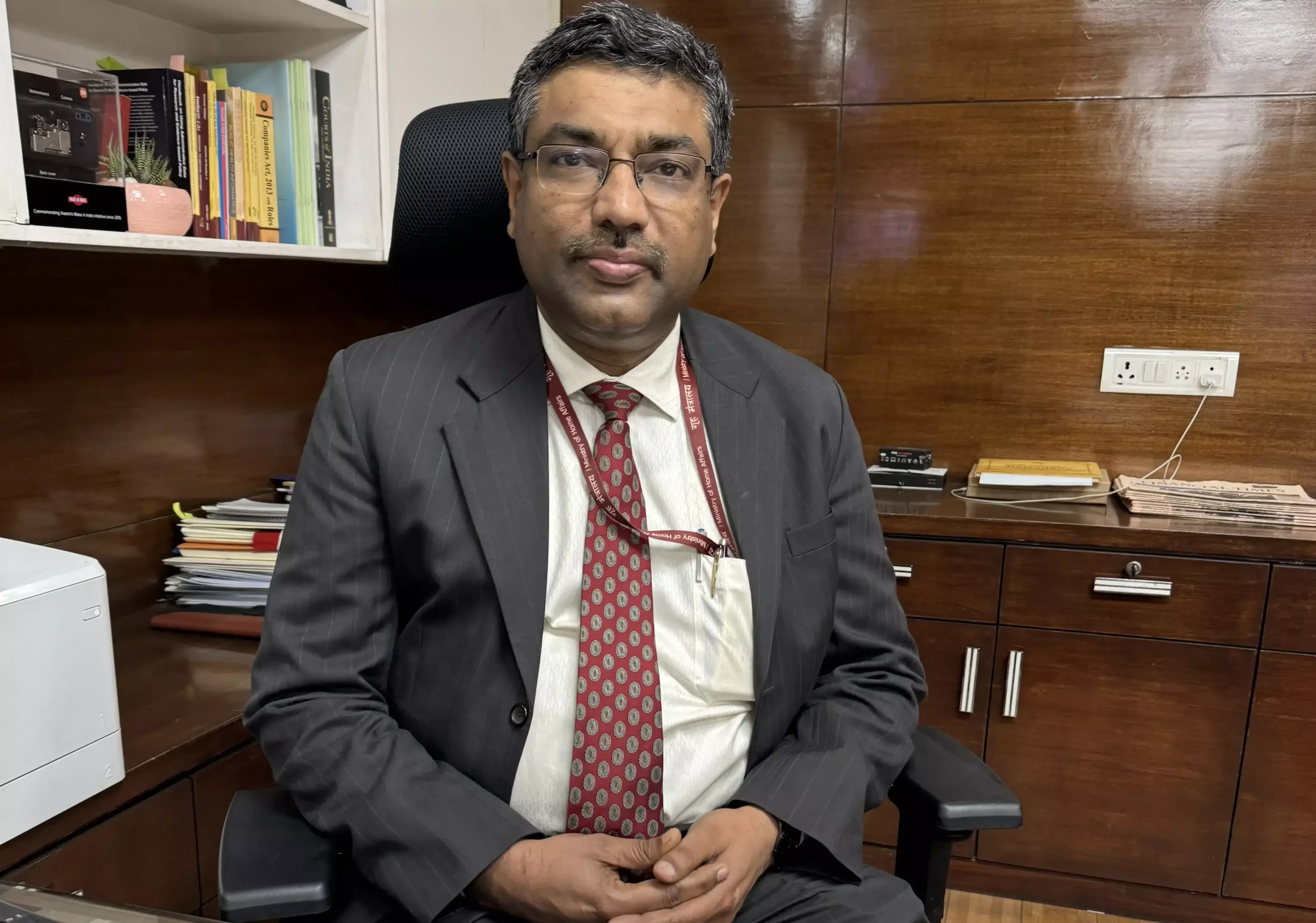
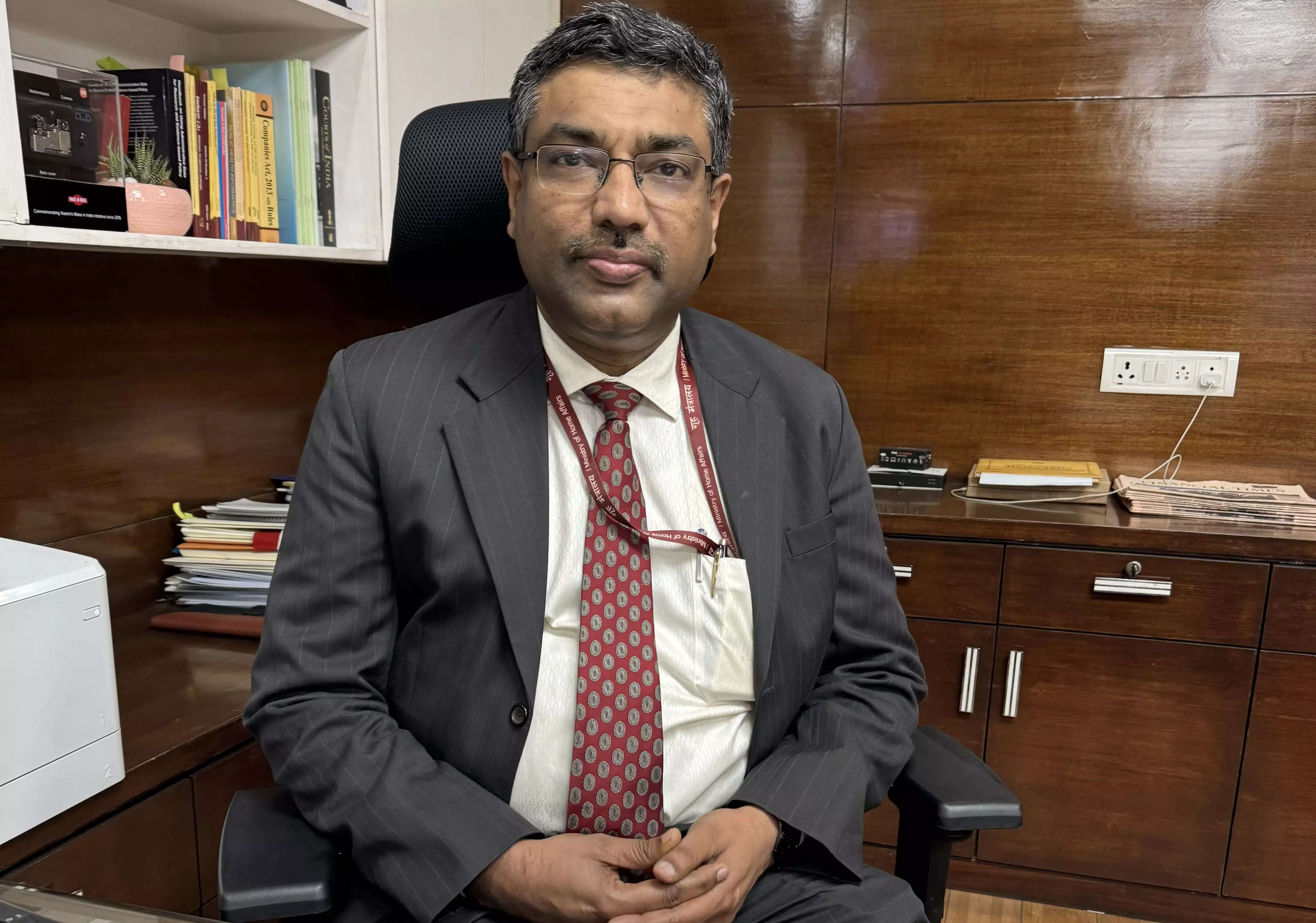
“There is going to be premiumisation. Premiumisation growth will be much heavier. Also adoption of premium phones will also double the export. Analysts are talking about the Indian market,” Electronics and IT Secretary S Krishnan said.
He said the production in India will also grow in volume terms as there might be shifts in production destinations by the companies. “The growth that you will see in India is not only in terms of the value going up, but also in terms of the shift of production,” he said.
All major brands, Apple, Samsung, Vivo, Oppo, and Google, make their mobile phones in India.
Under the scheme, the government has come up with a plan to build a domestic mobile phone brand and it is also providing a 3 per cent incentive on research and development programs of companies.
“We want the mobile manufacturing ecosystem to drop deep roots in India. Now, that is important for a number of reasons. It needs to survive in broad, deep roots because that is when more advanced electronic manufacturing can also in due course start happening in India. So, that is very critical,” Krishnan said.
The government has also announced the ₹1.27 lakh crore Semicon 2.0 scheme under which it is targeting to get advanced chips designed by domestic firms to achieve self-reliance in the segment.
“We anticipate the total market for chips in India by, say, 2030-31 will be roughly about $100 billion. Our belief is we will probably be able to do something like 8 to 10 per cent of the total demand. We are a long way from being self-sufficient in chips that is why we are focusing, saying that we need to do more,” Krishnan said.