Published on
July 21, 2026
By: Ryan Rashid

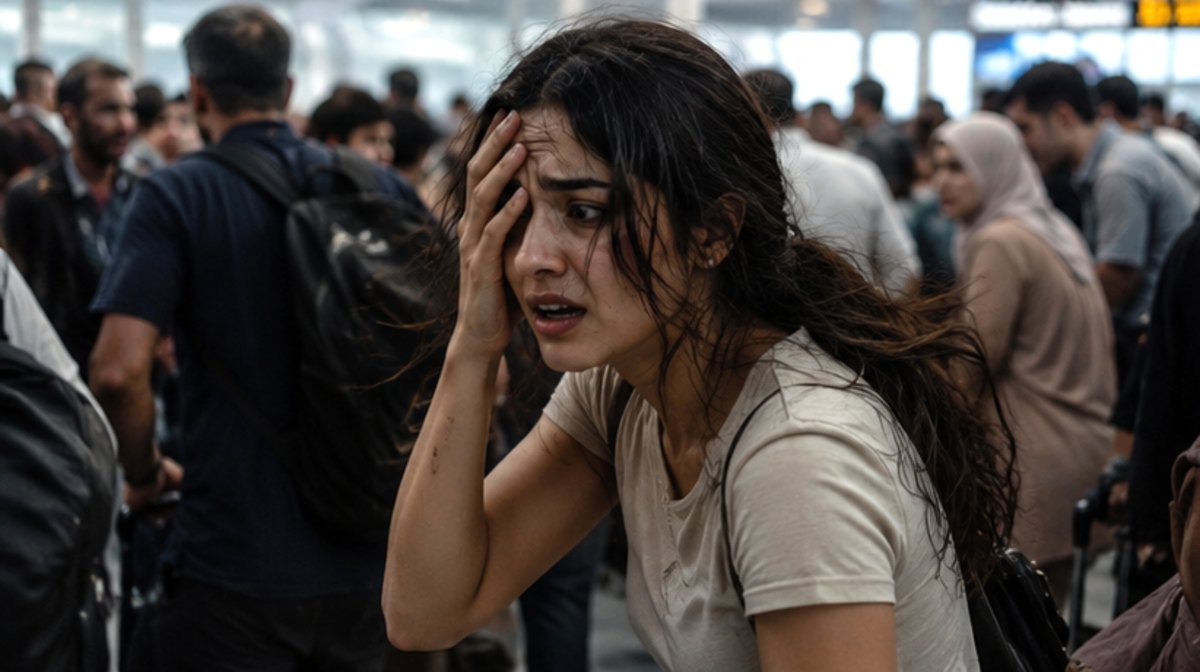
Image generated with Ai
Thousands of travelers abandoned as Asia remains under massive pressure today after Thailand, Singapore, Hong Kong, Qatar, China, India, Indonesia, UAE, and Saudi Arabia faced 5,098 delays and 339 cancellations. Beijing Capital emerged as the worst-hit airport in the continent, while Dubai recorded the highest disruptions outside China. Other heavily affected cities included Bangkok, Delhi, Jakarta, Doha, and Riyadh. Airlines facing the most severe disruptions included China Eastern, Emirates, Cathay Pacific, Saudia, and Batik Air.
From restricted airspace to heightened regional tensions, a series of operational challenges has disrupted flights across Asia, with the full impact unfolding at the region’s busiest airports.
- Beijing Capital recorded the highest delays with 667, while Dubai was the most disrupted airport outside China.
- King Khalid registered the highest airport cancellation total with 41 flights called off.
What Is Causing Disruptions In Asia?
Air travel across Asia continues to face pressure from several overlapping challenges.
Military tensions in the Gulf is forcing airlines to avoid portions of the airspace over countries such as Iraq, Jordan, Kuwait, and nearby Gulf states.
Those detours make flights longer, increase fuel consumption, and leave aircraft and crews arriving behind schedule.
In regions like China, up to 80% of airspace is reserved for military use.
Commercial airlines operate within narrow corridors, meaning even minor weather diversions quickly lead to severe air traffic control (ATC) congestion and grounded flights.
New Worldwide US Travel Alert Adds To Uncertainty For Asia-Bound Travelers
The US State Department has issued a fresh worldwide travel alert, warning that the global security environment has become increasingly unpredictable following rising tensions involving Iran and the deaths of US service members.
The advisory says travelers should be prepared for the possibility of sudden security developments.
Although the warning is global, it carries particular significance for passengers flying through Asia and the Middle East.
If security conditions deteriorate, airlines may reroute services, increase flying times, adjust schedules, or cancel selected flights with little notice.
For passengers, that can mean longer journeys, tighter connections, and rapidly changing itineraries even when their destination is far from the conflict zone.
Thailand’s High-Speed Rail Expansion Could Transform Future Travel Across Asia
Thailand is continuing to invest in the future of regional travel.
The government aims to complete the first section of its high-speed railway linking Bangkok with Nakhon Ratchasima by 2030, while preparing construction of a second line extending to Nong Khai.
The network will connect with Laos, which already operates a high-speed rail link to Kunming in China.
The broader vision is to create a rail corridor stretching from southwestern China through Thailand and eventually toward Singapore.
Once completed, the project could give travelers another fast cross-border transport option, reduce dependence on short-haul flights on some routes, and strengthen tourism and business connectivity across Southeast Asia. Travelers are already showing great interest with searches for “high-speed rail in thailand” rising.
Advertisement
Advertisement
Worst-Hit Asian Airports
Beijing Capital
The airport recorded 667 delays and 33 cancellations, making it the busiest disruption hotspot in Asia.
Beijing Daxing
Operations were disrupted by 653 delays and 33 cancellations, highlighting continuing congestion across China’s capital region.
Advertisement
Advertisement
Hong Kong
The airport reported 331 delays and 2 cancellations. Cathay Pacific was the most disrupted airline, followed by Hong Kong Express and Hong Kong Airlines.
Dubai
Outside China, Dubai recorded the region’s highest disruption with 334 delays and 21 cancellations. Emirates and FlyDubai experienced the largest number of delayed services.
Advertisement
Advertisement
Jakarta
Jakarta Soekarno-Hatta recorded 186 delays and 25 cancellations. Batik Air, Super Air Jet, Lion Air, and Garuda Indonesia saw the largest operational disruption.
Suvarnabhumi Bangkok
Suvarnabhumi Bangkok recorded 182 delays and 4 cancellations. Thai Airways and Bangkok Airways accounted for the largest share of disrupted flights.
Singapore Changi
Singapore Changi reported 194 delays and 2 cancellations. Scoot and Singapore Airlines saw the highest number of delayed flights.
Airlines Most Disrupted by Flight Cancellations & Delays
China Eastern
China Eastern emerged as the most disrupted airline in the region, with widespread operational challenges affecting flights across several major Chinese airports.
Advertisement
Advertisement
Air China
Air China was also among the hardest-hit carriers, as extensive disruptions continued to impact its operations across China’s busy aviation network.
Qatar Airways
The airline accumulated 166 delays, primarily through Hamad and King Abdulaziz.
Emirates
159 flights were delayed, with most disruptions centered on Dubai.
Air Arabia
The airline experienced 156 delays and 20 cancellations across Sharjah, Hamad, Bangkok, and Phuket.
Cathay Pacific
Operations included 152 delays, mainly through Hong Kong, with additional disruption at Singapore Changi.
Saudia
Although delay numbers were comparatively lower, Saudia recorded 110 cancellations, the highest among all airlines operating through the affected airports.
What Can Impacted Passengers Do?
- Check your airline’s latest flight status before leaving for the airport.
- Allow extra time if connecting through busy hubs such as Beijing Capital, Dubai, Hong Kong, or Delhi.
- Keep notifications enabled for airline schedule changes.
- If your flight is cancelled, contact your airline promptly to discuss rebooking options.
- Keep essential medicines, chargers, travel documents, and valuables in your cabin baggage.
- Review your travel insurance policy if your journey involves multiple connections.
- Stay alert to airport announcements, especially during rapidly changing operational conditions.
Overview of Flight Cancellations And Delays
Disruptions stretched across major aviation hubs from Beijing, Shanghai, Hong Kong, Bangkok, Delhi, Jakarta, Dubai, Doha, Jeddah, and Riyadh, affecting both domestic and international passengers.
Among the airlines facing the greatest operational challenges were China Eastern, Air China, Emirates, Qatar Airways, Cathay Pacific, FlyDubai, Air Arabia, IndiGo, Saudia, and Batik Air. As aircraft rotations fell behind schedule and airspace restrictions remained in place, delays spread through connecting flights across multiple cities, leaving many travelers facing extended waits, itinerary changes, and uncertainty as airlines worked to restore normal operations.
Data Verification Notice
The Data is extensively curated by me with figures derived from Flightaware dated 20th July 5:42 pm ET USA
Primary Source: Real-time data aggregated via FlightAware.
Verification Protocol: Statistics are cross-checked by our human editorial desk. Timestamped logs and feed snapshots are securely archived internally to maintain historical accuracy.
Note: Real-time tracking figures represent active airspace data and may experience minor variances from local airport terminal gates.
Travelers are advised to check respective airline and airports for more latest information and updates
Advertisement
Advertisement