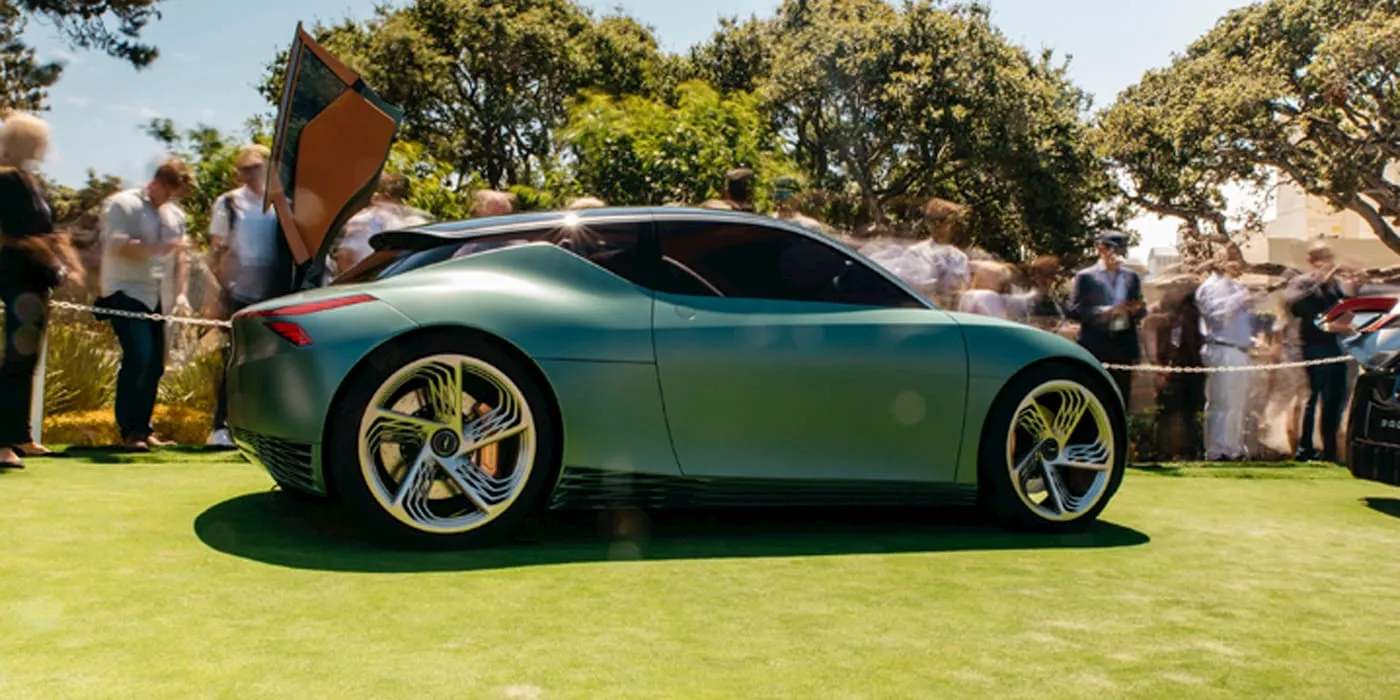
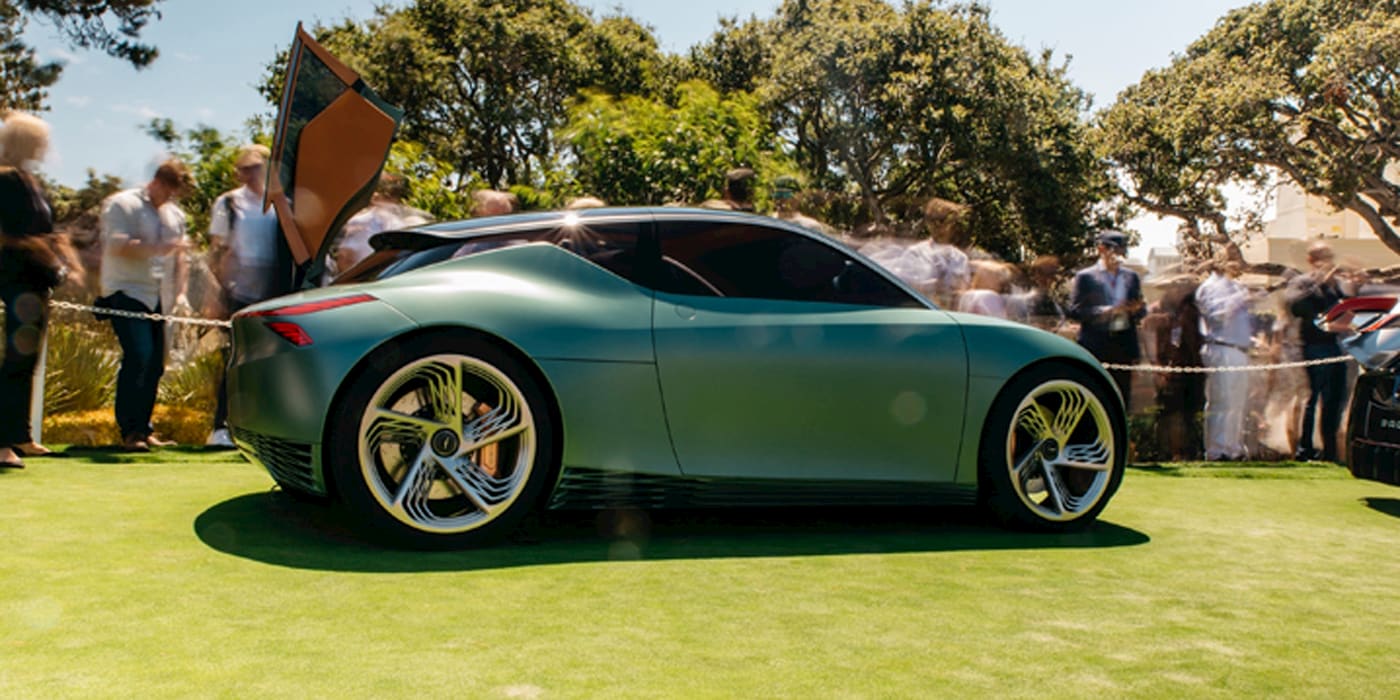
Genesis is going on the offensive as the Korean luxury brand expands into new segments.
Is Genesis launching a more affordable EV?
After launching its first vehicle in 2015, Genesis has “grown faster than any luxury marque in history,” according to Hyundai Motor CEO José Muñoz.
Over the next decade, Genesis has much more in the pipeline as it aims to become a global powerhouse.
The Korean automaker entered the realm of high-performance vehicles through its Magma program, which will compete with Mercedes-Benz AMG and BMW M.
Although Genesis was initially set to sell only electric vehicles from 2025, it now plans to launch its first hybrid later this year. Next year, it will follow up with its first extended-range electric vehicle (EREV).
While it will introduce different powertrains, EVs will still be a cornerstone of its growth plans. By the end of 2026, Genesis is expected to reveal the GV90, its flagship three-row electric SUV.

According to Peter Kronschnabl, managing director at Genesis Europe, the luxury brand may target the other end of the market with a more affordable, mainstream electric vehicle. Kronschnabl told Autocar that the luxury brand is “evaluating” the idea, but nothing has been confirmed.
The smaller mass market Genesis EV would likely be based on the new IONIQ 3, Hyundai’s compact electric hatch.
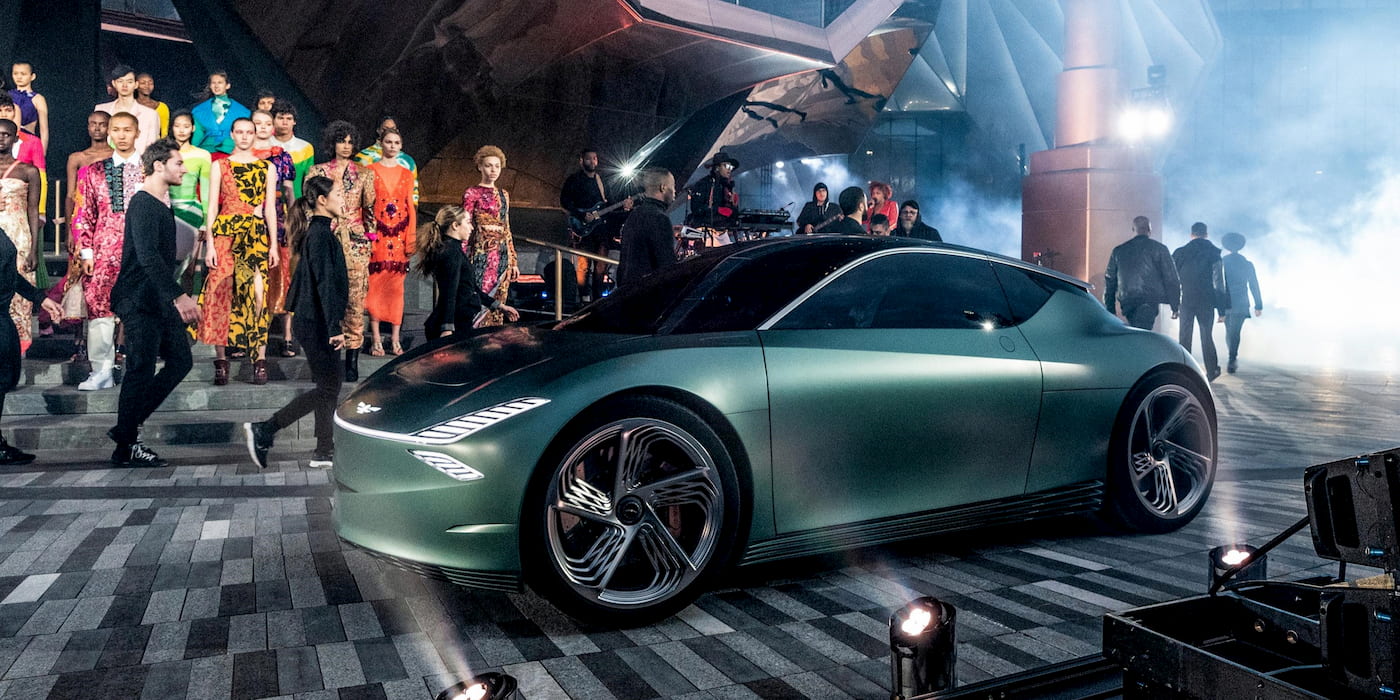
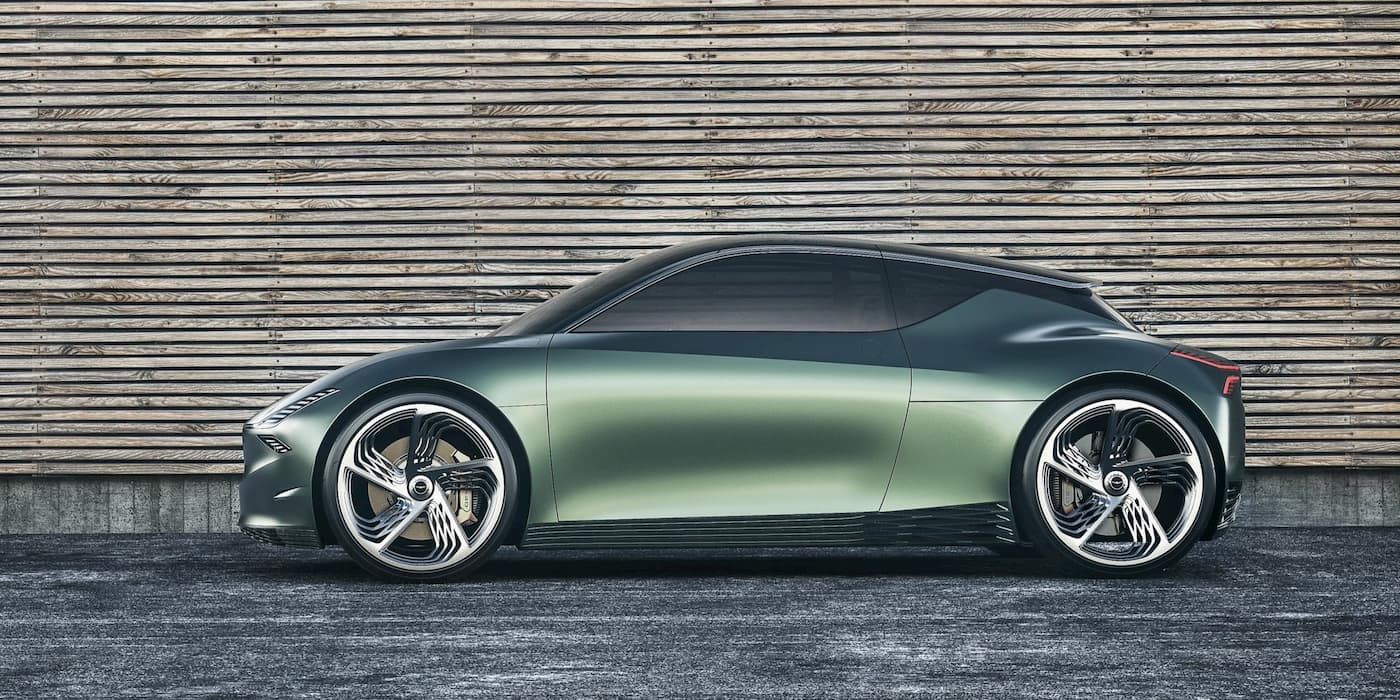
In terms of design, it may draw influence from the Mint concept that Genesis released in 2019, a premium electric city car.
“For sure, for a brand that is evolving, we need to look at fast-growing segments where we might need to be present in order to nurture customers,” Kronschnabl said.
However, the segment will need to sustain long-term growth, because Genesis will not chase short-term opportunities.
Kronschnabl gave the example of a luxury pickup truck. “There are some niches,” he said, “For instance, there’s not a real premium pick-up truck. But is that a segment you should enter?”
While there is a small opportunity, it is unlikely to be a long-term growth driver. The luxury brand’s growth strategy is “a marathon, not a sprint,” according to Kronschnabl.
Genesis already has “the right products in order to continuously grow the brand,” so looking at the long term is more important than chasing short- or medium-term opportunities.
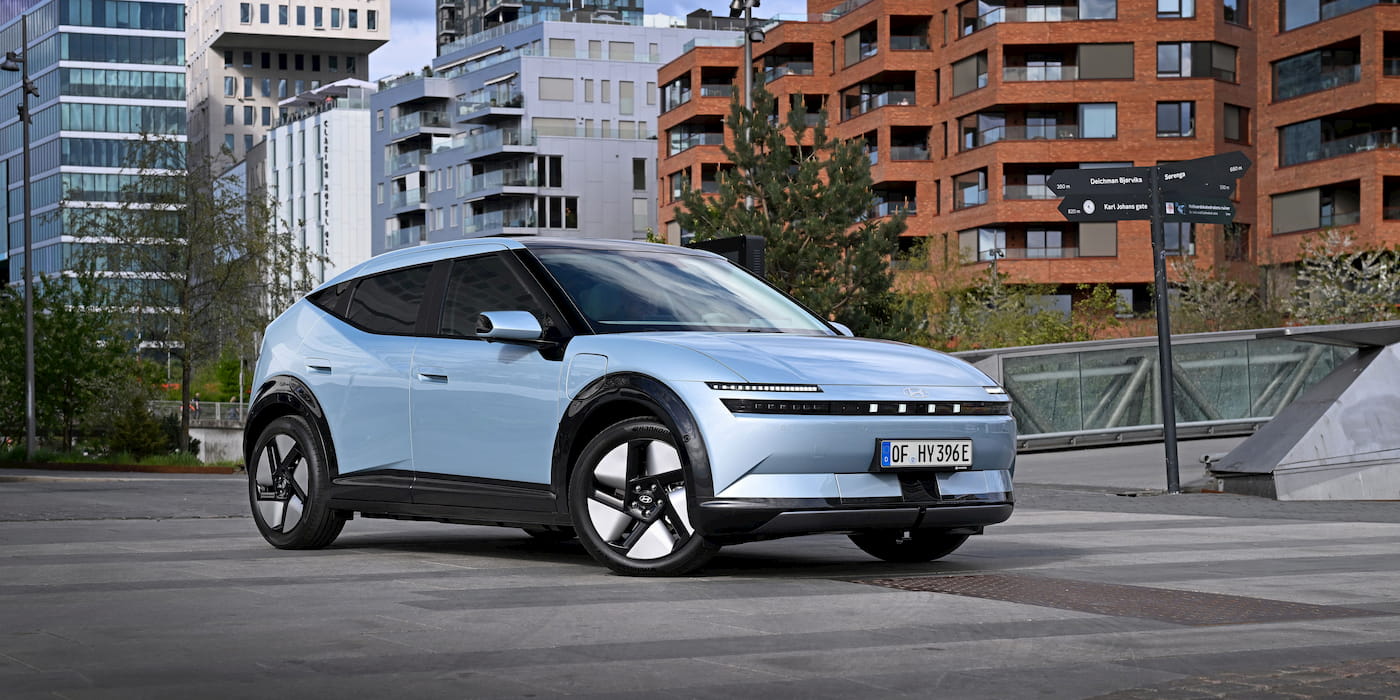
While nothing is set in stone, a mass market Genesis EV would likely use the same underpinnings as the Hyundai IONIQ 3.
The IONIQ 3 uses the same E-GMP platform that underpins Hyundai’s other IONIQ EVs and the Genesis GV60. It’s available in Europe with two battery pack options: 42.2 kWh and 61 kWh, providing WLTP ranges of up to 213 miles (344 km) and 308 miles (496 km), respectively.
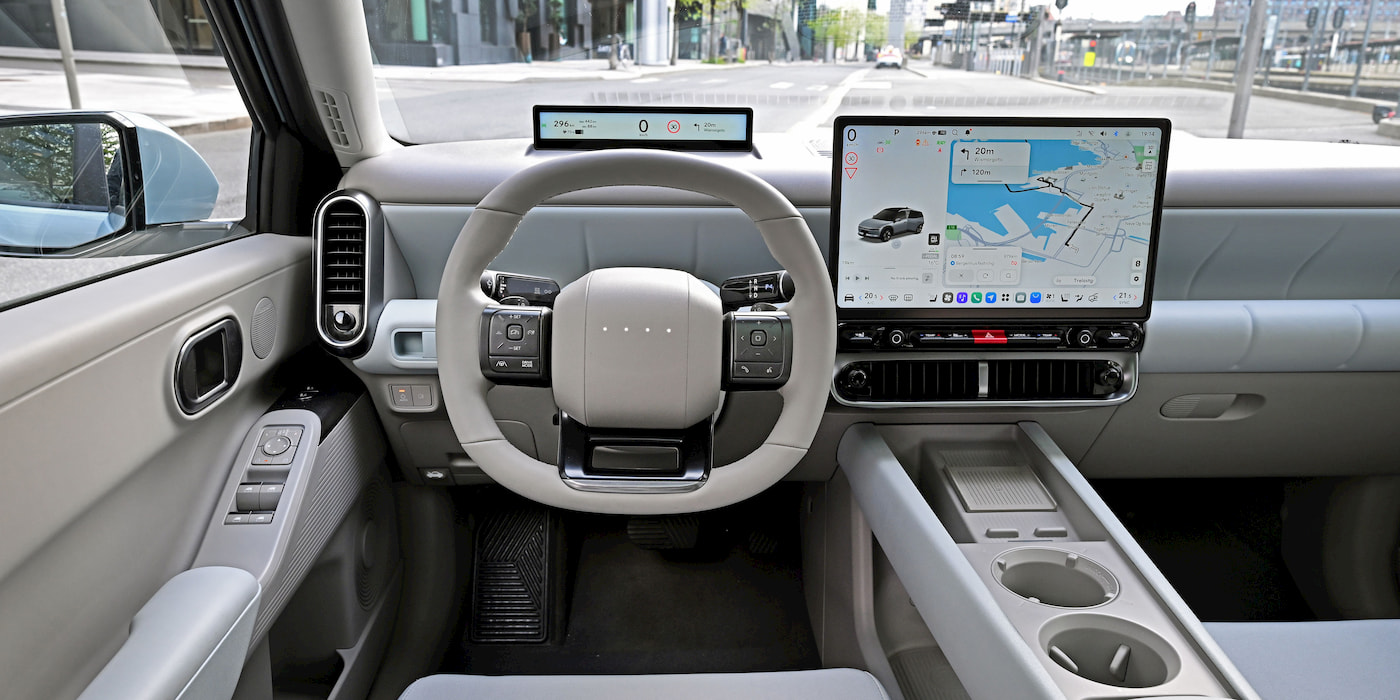
Unlike the IONIQ 5, the smaller IONIQ 3 trades the 800V architecture for a 400V system to cut costs.
The base Hyundai IONIQ 3 Standard Range model starts at £22,245 ($29,800) in the UK. It’s available in Standard or Extended Range versions with four different trim options: Advance, Premium, Ultimate, and N-Line Evo.
Several other luxury brands, including Audi, BMW, and Mercedes-Benz, are planning to expand into the mass market segment with more affordable EVs set to launch over the next few years.


FTC: We use income earning auto affiliate links. More.