Published on
July 20, 2026

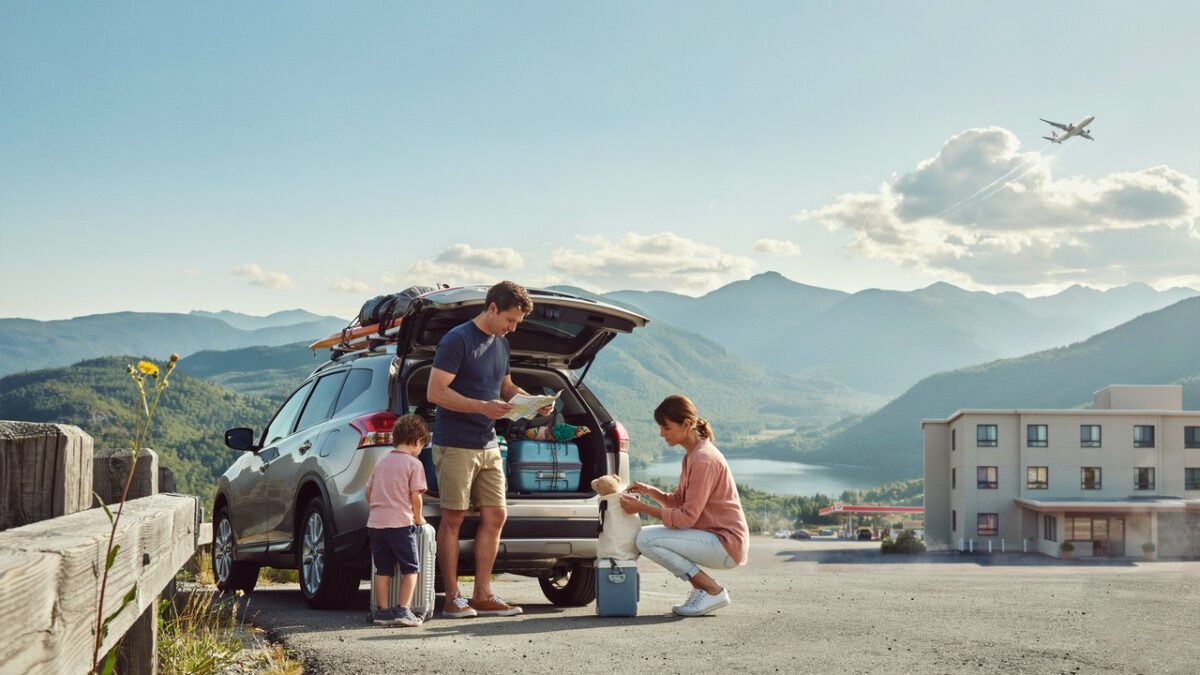
Image generated with Ai
Summer travel in the United States is being reshaped by sharply higher transportation costs, with Americans choosing shorter journeys, more affordable destinations and value-focused hotels instead of automatically abandoning their holidays. A national survey conducted by Morning Consult for the American Hotel & Lodging Association found that 57% of US adults considered summer travel more expensive than it was a year earlier.
Despite that pressure, 56% still intended to take a summer trip. Among adults noticing higher or broadly unchanged prices, 69% continued to regard a holiday as important. The findings point to resilient demand, but not unrestricted spending. Travellers are protecting the experience by adjusting where they go, how they arrive and what they purchase after reaching the destination. This changing behaviour could redirect business towards regional attractions, drive-to markets, shorter itineraries and budget hotels offering clearly defined savings.
Higher Travel Costs Reshape American Summer Holidays
The Morning Consult and AHLA study surveyed 2,201 US adults online between 15 and 17 June 2026. Results were weighted to represent the national adult population, with a margin of error of approximately two percentage points.
The survey identified travelling closer to home and selecting a less expensive destination as the leading cost-management measures, each chosen by 33% of respondents who noticed higher or similar prices. Driving instead of flying was selected by 30%, while 26% planned to shorten their journey.
Only 18% selected cancelling or postponing a trip, although this should not be interpreted as a share of every American. The question was directed towards respondents encountering higher or comparable costs, and multiple answers were permitted.
Shorter Trips Replace Long-Distance Itineraries
The results suggest that Americans are altering the shape of their holidays rather than eliminating them. Regional cities, state parks, lakeside communities, mountain destinations and beaches within driving distance of large metropolitan areas could gain attention from travellers avoiding expensive flights.
Advertisement
Advertisement
Shorter trips also reduce accommodation, restaurant and fuel expenses without removing the holiday completely. Another 26% of respondents planned to stay with friends or relatives instead of using a hotel or short-term rental, while 24% intended to book earlier to secure lower prices. Twenty-one per cent expected to use loyalty points or travel rewards.
Rising Airfares Make Domestic Flights More Expensive
Official inflation data support the concerns recorded in the survey. The US Bureau of Labor Statistics reported that airline fares were 26.5% higher in June 2026 than a year earlier. Gasoline prices rose by 26.7%, while the overall Consumer Price Index increased by a considerably smaller 3.5%. US Bureau of Labor Statistics
These figures help explain the growing interest in cheaper destinations and alternative transport. Families purchasing several airline tickets are particularly exposed to fare increases, making a regional break more manageable than a long-distance domestic journey.
Driving does not provide complete protection from inflation. The US Energy Information Administration placed the national average price of regular petrol at $3.855 per gallon on 13 July, approximately $0.73 higher than a year earlier. Regional averages ranged from $3.423 on the Gulf Coast to $4.832 on the West Coast. US Energy Information Administration
Fuel Prices Create a More Selective Road-Trip Market
Although 30% of cost-conscious respondents considered replacing flights with driving, 43% said petrol prices were encouraging them to drive less overall. Another 32% were choosing destinations closer to home, while 23% expected to absorb higher fuel costs without altering their plans.
This creates a more complicated picture than a straightforward road-trip boom. Travellers may use cars instead of aircraft but cover fewer miles, avoid multi-state itineraries and spend fewer nights away. Demand could become concentrated within a manageable radius of major cities.
Advertisement
Advertisement
Only 12% expected to replace driving with flying or another form of transport. The findings indicate that travellers are balancing airfare and fuel prices rather than finding one consistently inexpensive option.
Budget Hotels and Included Amenities Gain Importance
Accommodation remains an important part of the trip, but travellers are becoming more selective about what constitutes value. Among respondents affected by rising costs, 22% planned to choose a more budget-friendly or less upscale hotel. Sixteen per cent were looking for hotels offering complimentary breakfast or other included amenities.
Another 13% expected to remain within the same hotel category they used previously, while 12% considered switching to non-hotel accommodation. Only 5% intended to select a more upscale property despite higher prices.
These preferences could support economy, midscale and select-service hotels, especially in regional and roadside markets. However, the data represent stated intentions rather than completed reservations, and they do not demonstrate that any hotel segment has already secured additional market share.
Loyalty Rewards Help Repeat Travellers Control Costs
Travellers who took a holiday last summer and intended to travel again appeared particularly willing to adjust their choices. Among these repeat travellers, 40% considered choosing a cheaper destination and 30% planned to use loyalty points. Around 20% were interested in hotels with breakfast or other included benefits.
Hotel rewards can reduce the effective cost of a stay, but their usefulness depends on availability, redemption conditions and the number of points held by the traveller. The broader trend is towards assessing the complete cost of accommodation rather than comparing room rates alone.
Advertisement
Advertisement
Restaurants and Retailers Face Reduced Visitor Spending
The shift towards affordable US summer travel extends beyond transportation and hotels. Asked where they were most likely to cut spending, 43% selected shopping and 39% chose restaurants or dining. Entertainment and excursions followed at 26%, while 24% identified hotels.
Transportation was selected by only 19%, suggesting that travellers may see the cost of reaching a destination as relatively difficult to reduce once an itinerary has been chosen. Instead, optional spending is being trimmed after arrival.
Destinations could consequently receive visitors without experiencing equally strong growth in tourism revenue. Independent restaurants, local shops, tour companies and paid attractions may face greater pressure than occupancy figures alone indicate. Free outdoor activities and accommodation packages containing meals or experiences may become more appealing to price-sensitive visitors.
Income Creates a Divided Summer Travel Market
Middle-income adults reported the strongest perception of higher prices. Sixty-three per cent of households earning between $50,000 and $100,000 considered summer travel more expensive, compared with 61% of those earning at least $100,000 and 52% of households below $50,000.
Higher-income travellers were better positioned to protect their plans. Among adults experiencing increased or similar costs, 88% of those earning at least $100,000 still regarded taking a trip as important. The figure dropped to 71% for middle-income households and 62% for those earning below $50,000.
Younger adults also placed considerable value on travel. Seventy-eight per cent of millennials and 75% of Generation Z respondents in the relevant cost-aware group considered a summer trip important, compared with 63% of Generation X and 61% of baby boomers.
Advertisement
Advertisement
Other Surveys Confirm a Cautious Travel Market
KPMG found that 60% of Americans intended to travel during summer 2026, with 38% seeking less expensive alternatives. Sixty-nine per cent expected to remain within the United States, while the share planning international trips declined to 21% from 28% in 2025. Hotels remained the leading accommodation type, selected by 55% of travellers. KPMG Consumer Pulse
Deloitte recorded a more cautious result. Its survey found that 45% of Americans planned a summer holiday involving paid accommodation, the lowest proportion in six years. Those travelling nevertheless expected to spend an average of $4,069 on their longest trip, 17% more than in 2025. Deloitte Summer Travel Survey
The difference reflects survey definitions. A general summer trip can include day travel or staying with relatives, while Deloitte specifically measured holidays involving paid lodging.
Hotel Demand Remains Resilient but Uneven
US hotel occupancy reached 67.6% during the week of 5–11 July, rising 0.7% from the comparable period in 2025. Average daily rate increased 4.5% to $166.04, while revenue per available room rose 5.2% to $112.18, according to CoStar data.
Major events, including the FIFA World Cup, contributed to unusually strong rates in markets such as Miami and Boston. National figures therefore conceal considerable differences between event destinations, major cities, regional markets and roadside hotels.
Conclusion
The United States summer travel market is not experiencing a simple collapse in demand. Instead, rising airfares and fuel prices are producing a more selective holiday season defined by shorter trips, nearby getaways, domestic road travel and budget-conscious hotel choices.
Higher-income and younger travellers remain particularly determined to travel, while middle- and lower-income households face more difficult compromises. Regional destinations may gain visitors, but reduced spending on dining, shopping and excursions could limit the economic benefit. For the wider tourism industry, maintaining visitor numbers will increasingly depend on affordability, accessibility and clearly communicated value.
Advertisement
Advertisement


