Published on
July 20, 2026
By: Pritam Nath

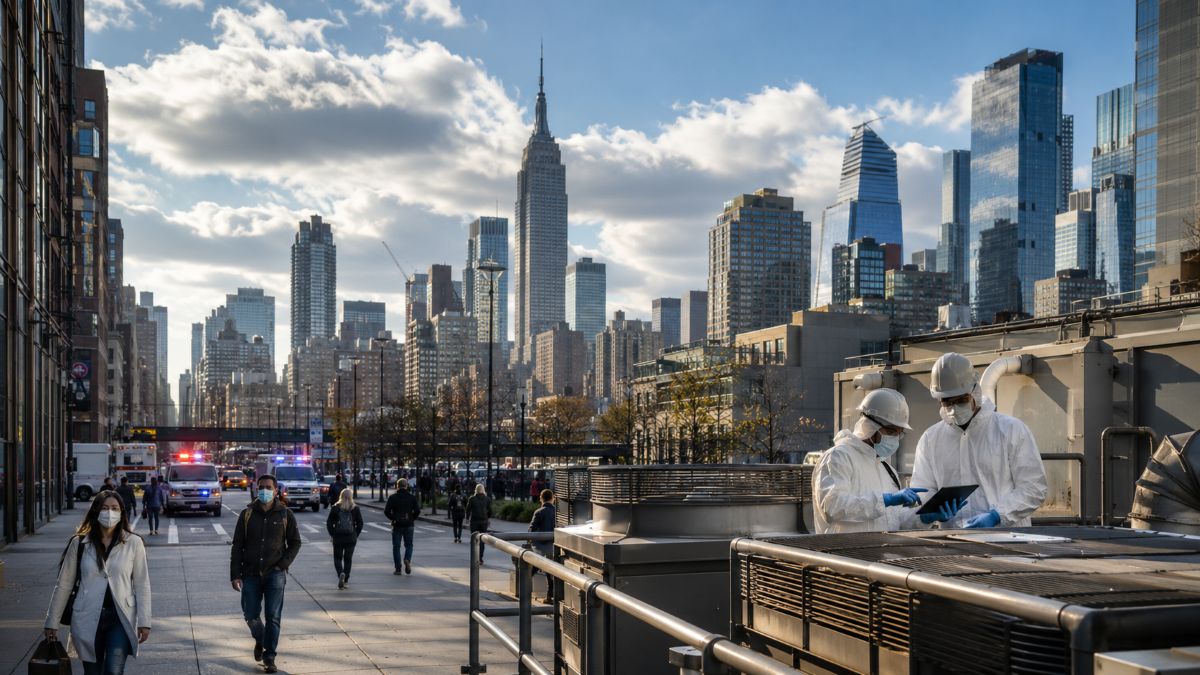
Image generated with Ai
The New York City Legionnaires’ disease outbreak has become a significant public health development after officials confirmed a second fatality connected to the bacterial infection. Concentrated in Manhattan’s Upper East Side, the outbreak has resulted in 72 confirmed cases, prompting one of the city’s most extensive environmental health investigations in recent years. Public health authorities have intensified inspections of cooling towers and building water systems while emphasizing that the illness does not spread from person to person. The response highlights the importance of maintaining safe infrastructure in one of the world’s most visited urban tourism destinations, where millions of domestic and international travelers arrive each year.
As global tourism continues to rebound, the outbreak underscores how modern travel relies not only on transportation and hospitality but also on strong public health systems and transparent communication. Countries including the United States, Canada, the United Kingdom, and Australia continue emphasizing preventive infrastructure maintenance, rapid environmental investigations, and evidence-based health guidance to preserve traveler confidence. Experts note that swift intervention, continuous monitoring, and effective risk communication remain essential for protecting both residents and visitors while ensuring that localized health incidents do not disrupt broader tourism activity.
New York City Legionnaires’ Disease Outbreak Prompts Rapid Public Health Response
| Outbreak Overview | Details |
|---|---|
| Location | Manhattan Upper East Side, New York City |
| Confirmed Cases | 72 |
| Confirmed Deaths | 2 |
| Cause | Legionella bacteria |
| Primary Investigation | Cooling tower inspections |
| Travel Restrictions | None |
The New York City Legionnaires’ disease outbreak has prompted extensive action by health officials. Environmental investigators have inspected numerous buildings after identifying traces of Legionella bacteria in several cooling towers. Immediate cleaning and disinfection orders have been issued to eliminate potential sources of contamination.
Authorities continue to reassure the public that the outbreak remains localized and that the disease cannot be transmitted directly between people. Officials also report that surveillance efforts remain active to detect any additional cases quickly.
Advertisement
Advertisement
Why Legionnaires’ Disease Is Important for International Travelers
| Travel Consideration | Current Situation |
|---|---|
| Hotels | Routine water system maintenance continues |
| Tourist Attractions | Remain open |
| Public Transportation | Operating normally |
| International Tourism | No travel advisories restricting visits |
The outbreak has renewed attention on travel health and environmental safety in major cities. Although Legionnaires’ disease is a severe form of bacterial pneumonia, infections occur only after inhaling contaminated water droplets rather than through contact with infected individuals.
For travelers, this distinction is significant because tourism activities continue normally while public health agencies focus on eliminating environmental sources.
Advertisement
Advertisement
Cooling Tower Inspections Play a Critical Role in Protecting Tourism
| Prevention Measure | Objective |
|---|---|
| Water testing | Detect Legionella bacteria |
| Cooling tower cleaning | Remove contamination |
| Building inspections | Identify affected systems |
| Continuous monitoring | Prevent additional infections |
Health officials have expanded inspections throughout the affected neighborhood. Specialists continue analyzing water samples while property owners comply with mandatory sanitation requirements.
These preventive measures represent internationally recognized public health practices that help protect residents, employees, and visitors alike.
Legionella Bacteria and Urban Infrastructure Safety
Legionella bacteria naturally exist in freshwater environments but may multiply inside artificial water systems when maintenance standards are inadequate. Cooling towers, decorative fountains, plumbing systems, and other large water installations require regular monitoring to reduce potential risks.
Experts emphasize that modern cities with rigorous inspection programs significantly reduce the likelihood of widespread outbreaks. New York City’s response demonstrates how environmental health systems operate to identify contamination and implement corrective actions before broader public exposure occurs.
Global Tourism Watches New York Travel Health Developments Closely
| Tourism Perspective | Impact |
|---|---|
| International Visitors | Continue traveling normally |
| Local Economy | Minimal tourism disruption |
| Public Confidence | Supported through transparent updates |
| Health Monitoring | Ongoing |
The United States, alongside Canada, the United Kingdom, and Australia, has strengthened public health preparedness over recent years through improved surveillance systems and environmental monitoring.
Travel industry analysts note that transparent communication plays an essential role in maintaining visitor confidence during localized health events. New York continues welcoming millions of international visitors annually while authorities implement targeted interventions rather than imposing widespread restrictions.
Advertisement
Advertisement
Public Health Leadership Reinforces Safe Urban Tourism
The response to the New York City Legionnaires’ disease outbreak illustrates the importance of coordinated action between environmental scientists, healthcare professionals, engineers, and government agencies. Extensive inspections, laboratory testing, mandatory disinfection, and ongoing surveillance have become central components of the city’s response strategy.
Medical experts continue advising individuals experiencing fever, cough, shortness of breath, or pneumonia-like symptoms to seek prompt medical attention, particularly older adults and those with underlying health conditions.
Lessons for the Global Travel Industry
The outbreak reinforces that resilient tourism depends upon reliable infrastructure, effective environmental management, and trusted public health institutions. International travelers increasingly value destinations that demonstrate transparency, scientific decision-making, and rapid emergency response capabilities.
As urban tourism continues expanding worldwide, investments in water quality management, infrastructure maintenance, and environmental monitoring will remain fundamental to sustaining visitor confidence. The current response in New York provides an example of how localized public health challenges can be managed through evidence-based practices without significantly affecting broader tourism activity.
Frequently Asked Questions
1. What is the New York City Legionnaires’ disease outbreak?
It is a localized outbreak of Legionnaires’ disease affecting Manhattan’s Upper East Side, with 72 confirmed cases and two reported deaths.
2. What causes Legionnaires’ disease?
The illness is caused by exposure to Legionella bacteria, typically through inhaling contaminated water droplets.
Advertisement
Advertisement
3. Can Legionnaires’ disease spread from person to person?
No. Health authorities confirm that Legionnaires’ disease is not transmitted between people.
4. Why are cooling towers being inspected?
Cooling towers can provide conditions where Legionella bacteria multiply if maintenance is inadequate.
5. Is it safe to travel to New York City?
Yes. Officials have not issued travel restrictions, and tourism activities continue while targeted public health measures remain in place.
6. What symptoms should travelers watch for?
Common symptoms include fever, cough, chills, muscle aches, breathing difficulty, and pneumonia-like illness.
7. Who faces the greatest risk?
Older adults, smokers, and individuals with weakened immune systems are more vulnerable to severe illness.
8. How are authorities controlling the outbreak?
Officials are conducting cooling tower inspections, laboratory testing, environmental monitoring, and mandatory disinfection of affected systems.
Advertisement
Advertisement
9. Why is this outbreak important for the travel industry?
The event highlights the importance of travel health, infrastructure maintenance, environmental safety, and transparent public health communication in protecting visitor confidence.
10. What lessons can other destinations learn?
Major tourism cities can strengthen resilience by investing in water system maintenance, environmental monitoring, rapid disease detection, and evidence-based public health responses.
Advertisement
Advertisement