Published on
July 18, 2026
By: Pritam Nath

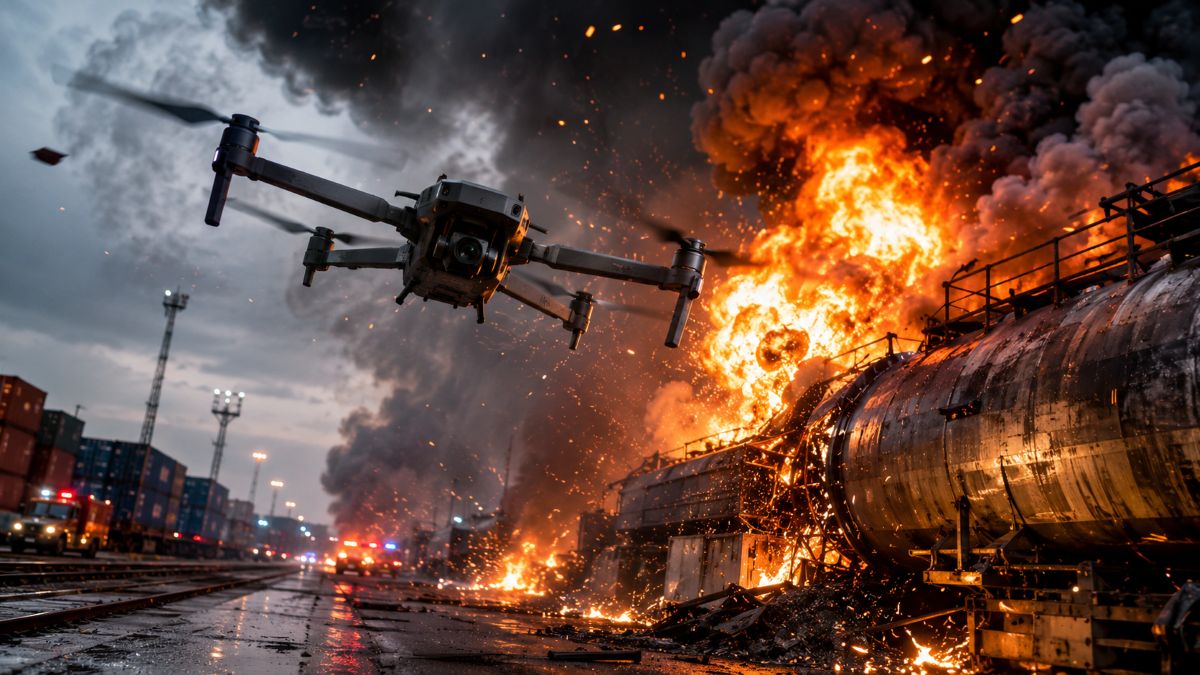
Image generated with Ai
Russia and Ukraine exchanged another round of long-range strikes early Saturday, with Ukrainian officials saying drones targeted logistics infrastructure in Russia’s Moscow and Tambov regions while Russian authorities reported casualties and damage at a major warehouse complex. The latest attacks underscore how the conflict continues to extend far beyond the front lines, affecting transport networks, supply chains, and regional travel planning across Eastern Europe.
According to Ukrainian President Volodymyr Zelensky, the targeted facilities were allegedly supporting Russia’s military logistics and the procurement of sanctioned components used in drone production and navigation equipment. Russian officials, meanwhile, reported fatalities, injuries, and significant damage following strikes near Elektrostal, east of Moscow. The claims made by both sides could not be independently verified at the time of publication. The renewed escalation has prompted travel experts to advise passengers to monitor official government advisories, airline notifications, and airport updates before traveling to affected regions.
Latest Developments in the Reported Drone Attacks
| Key Detail | Information |
|---|---|
| Reported Location | Elektrostal, Moscow region, Russia |
| Additional Reported Target | Tambov region |
| Ukrainian Position | Logistics facilities were supporting Russian military supply chains |
| Russian Position | Casualties and warehouse damage reported |
| Verification Status | Claims remain independently unverified |
| Travel Impact | Potential operational disruptions and heightened security awareness |
Ukraine stated that the strikes were directed at infrastructure allegedly contributing to Russia’s military capabilities rather than civilian transportation assets. President Zelensky said the facilities were being used to facilitate the supply of sanctioned components associated with drone manufacturing and navigation systems.
Russian authorities reported that a major logistics warehouse sustained extensive damage. Officials also announced fatalities and injuries following the incident. Emergency responders were deployed to contain fires and assess structural damage.
Independent verification of the military significance of the targeted facilities remains unavailable, highlighting the importance of treating battlefield claims from all parties with caution.
Regional Security Implications for Eastern Europe
| Region | Potential Impact |
|---|---|
| Moscow Region | Increased security measures |
| Central Russia | Infrastructure monitoring |
| Eastern Europe | Elevated travel awareness |
| International Aviation | Possible operational adjustments if required |
The reported attacks illustrate the increasing reach of long-range drone operations during the ongoing conflict. Rather than remaining confined to traditional combat zones, infrastructure deep inside Russian territory has increasingly become vulnerable to aerial attacks.
Advertisement
Advertisement
Security analysts note that such incidents may influence regional transportation planning, emergency preparedness, and infrastructure protection. While most international aviation continues to operate normally, temporary airspace restrictions or operational adjustments may occur if security conditions change.
Travelers planning journeys through Eastern Europe are encouraged to remain informed through official aviation authorities, airlines, and government travel advisories.
Travel Industry Watches Security Developments Closely
| Travel Sector | Possible Consideration |
|---|---|
| Airlines | Flight scheduling adjustments if necessary |
| Travel Insurance | Review policy coverage for conflict-related disruption |
| Tour Operators | Monitor destination advisories |
| Business Travel | Risk assessments for affected regions |
Although the reported strikes primarily involved logistics infrastructure, security developments can influence the broader travel environment. Airlines operating in or near affected airspace continually assess operational safety in coordination with aviation regulators.
Many international carriers already avoid designated conflict areas, using alternative routes designed to prioritize passenger safety. Travelers should verify flight status before departure and remain flexible if operational changes occur.
Business travelers with scheduled visits to Russia or neighboring countries may also consider reviewing corporate travel policies and contingency plans.
Supply Chains and Logistics Remain Under Pressure
The reported attack highlights the continuing importance of logistics infrastructure in modern conflicts. Warehouses, transportation hubs, and distribution centers play a central role in commercial activity while also becoming strategically significant during wartime.
Advertisement
Advertisement
Any disruption affecting major logistics facilities can have wider implications for freight movement, inventory management, and supply-chain resilience. However, the precise commercial impact of the reported damage remains unclear.
Analysts caution against drawing definitive conclusions until additional verified information becomes available from independent sources.
What Travelers Should Know
Travel to Eastern Europe continues in many areas, but the security environment remains dynamic. Government travel advisories should always be reviewed before departure, particularly for destinations near conflict zones.
Passengers should allow extra time for airport security procedures where applicable and ensure travel insurance adequately covers unexpected disruptions. Monitoring airline communications remains one of the most reliable ways to receive timely operational updates.
The latest developments also reinforce the importance of obtaining information from official government agencies and reputable news organizations rather than relying solely on social media reports during rapidly evolving situations.
Looking Ahead
The ongoing conflict continues to reshape regional security, transportation planning, and logistics across Eastern Europe. Both Ukraine and Russia continue to issue statements regarding military operations, while independent verification often requires additional time due to limited access to affected locations.
Advertisement
Advertisement
For travelers, the broader takeaway is not necessarily widespread disruption but the importance of staying informed. As governments, airlines, and international organizations continue monitoring developments, official advisories remain the most reliable resource for making informed travel decisions.
Frequently Asked Questions
1. What happened near Moscow?
Ukraine said it targeted logistics facilities in Russia, while Russian authorities reported casualties and damage at a warehouse near Elektrostal.
2. Were the reported claims independently verified?
No. The statements from both Ukraine and Russia had not been independently verified at the time of publication.
3. Why did Ukraine say the facilities were targeted?
Ukrainian officials said the sites allegedly supported Russia’s military logistics and procurement activities.
4. Is Moscow Airport closed because of the incident?
There was no confirmed report in this article indicating a permanent airport closure. Travelers should check official airport updates.
5. Could international flights be affected?
Operational adjustments are possible during periods of heightened security, but impacts vary depending on airline and route.
Advertisement
Advertisement
6. Should tourists cancel travel to Eastern Europe?
Not necessarily. Travelers should follow official government advisories and airline guidance before making decisions.
7. How can travelers stay informed?
Monitor official travel advisories, airline notifications, airport announcements, and government safety updates.
8. Why are logistics facilities strategically important?
They support transportation, storage, and distribution networks that are important for both commercial and military operations.
9. What precautions should business travelers take?
Review company travel policies, monitor security developments, and prepare contingency plans where appropriate.
10. What is the broader significance of the reported strikes?
The incident reflects the continuing expansion of long-range drone operations and their potential influence on regional security, logistics, and travel planning across Eastern Europe.
Advertisement
Advertisement