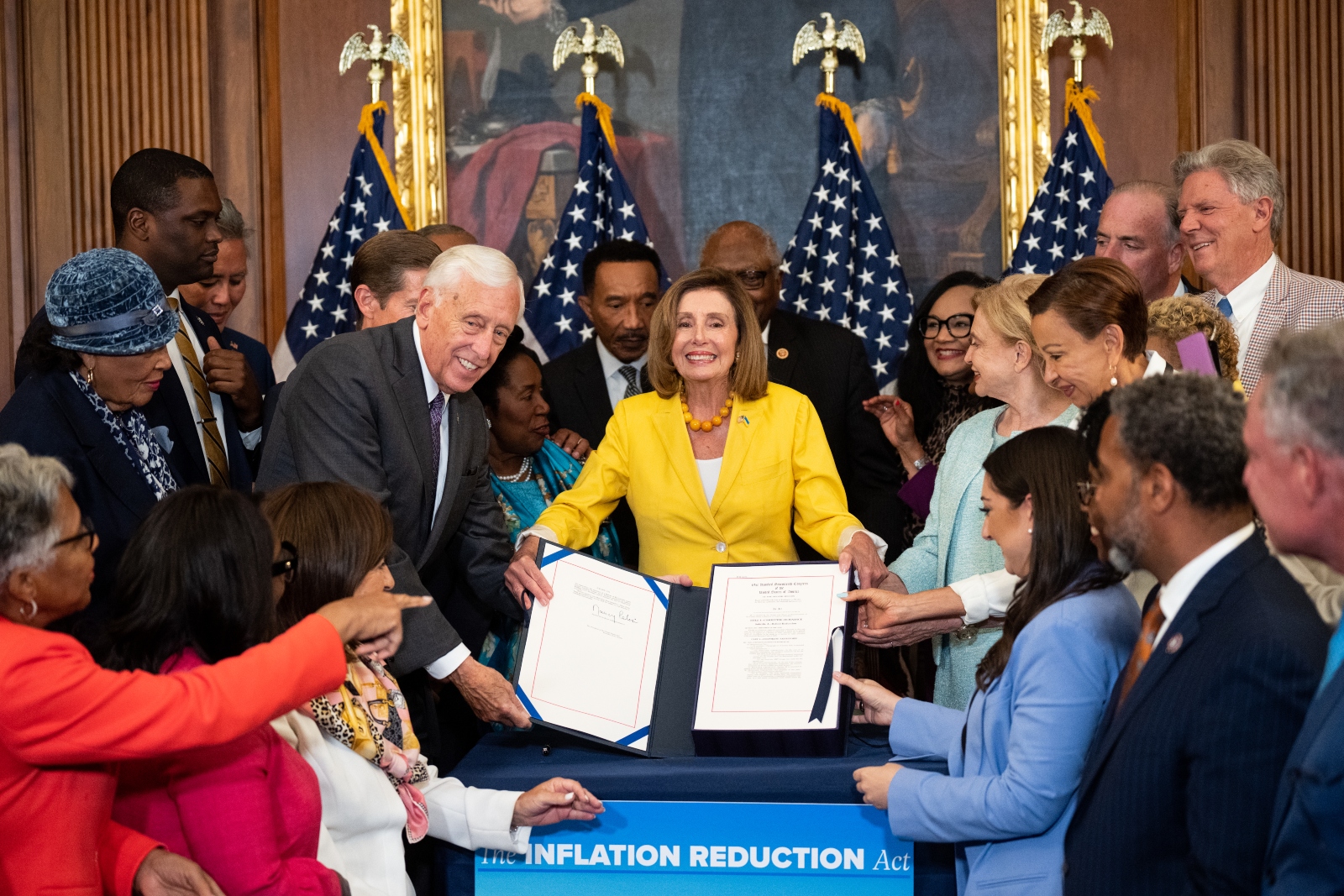
The Inflation Reduction Act, which became law in 2022, was the first and largest climate bill in the history of the United States. It was also the cornerstone of President Joe Biden’s economic agenda. The bill offered billions of dollars in tax credits for companies that built solar and wind farms or electric-vehicle battery factories, and to consumers who purchased electric cars and heat pumps. These incentives led developers to build enough solar and wind to power millions of homes and spurred the construction of hundreds of new factories, helping trigger a surge of new American manufacturing investment for the first time in decades.
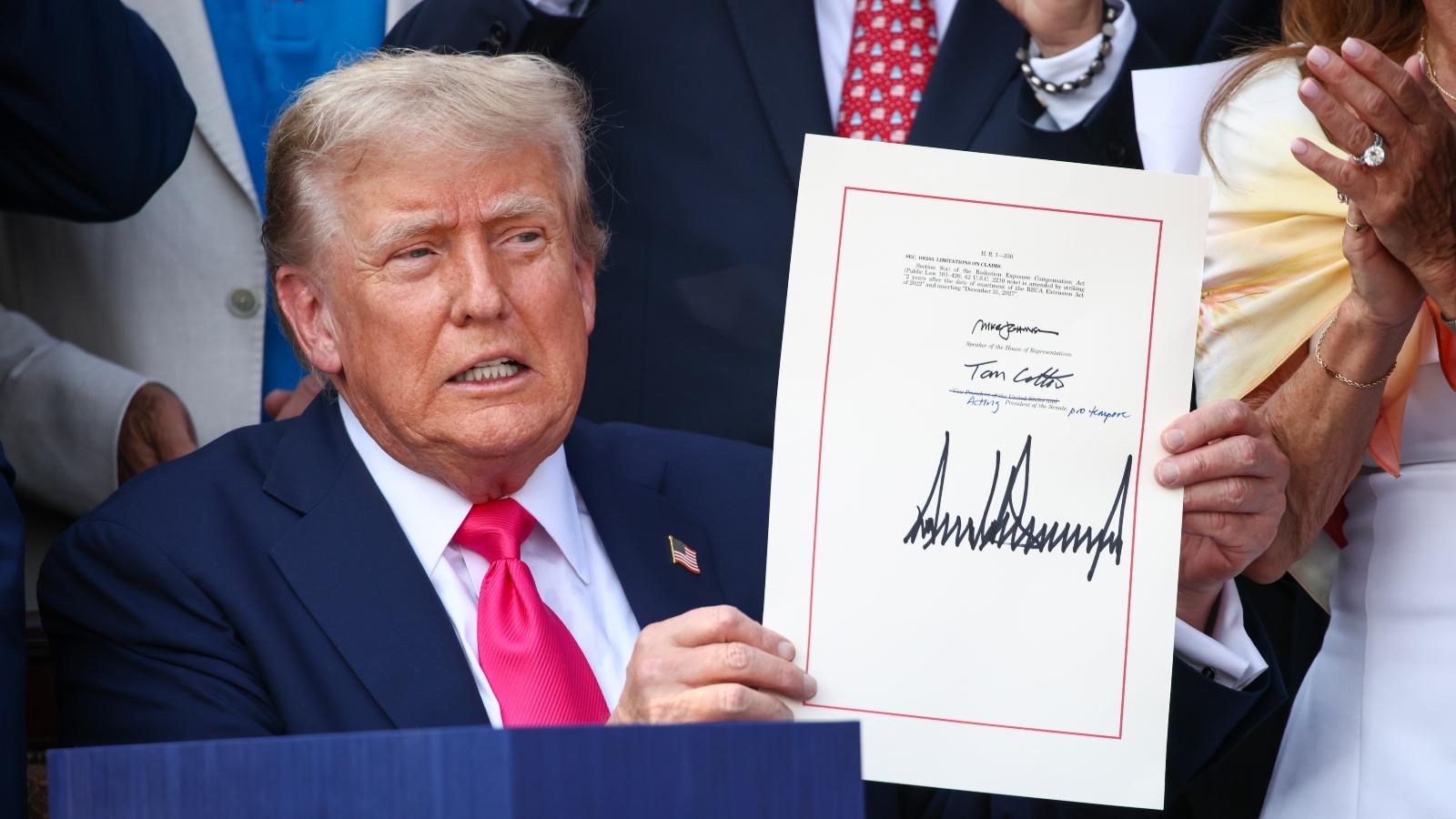
The law lasted less than three years. Last July, President Donald Trump signed what he called the “Big Beautiful Bill,” a sweeping tax reform that repealed almost all the main subsidies of the Inflation Reduction Act, or IRA. Even though around two dozen Republicans in Congress said they wanted to preserve clean energy incentives, almost all of them voted to pass the law. In signing the bill, Trump said it would end what he called the “Green New Scam.”
A year after the repeal, the outlook for the climate is mixed. Most significantly, the IRA’s path toward sharply lowering emissions has been derailed. The IRA would have led the U.S. to cut its carbon emissions 50 percent from peak levels by 2035, but that goal is now out of reach. A series of studies have found that the repeal puts the U.S. back on track for the 30 percent reduction it was on track to achieve even before the IRA, and that emissions will likely remain more or less flat through the end of the decade. The repeal has also succeeded in slowing the clean energy buildout. Manufacturers and energy developers have scrapped dozens of solar farms and battery plants.
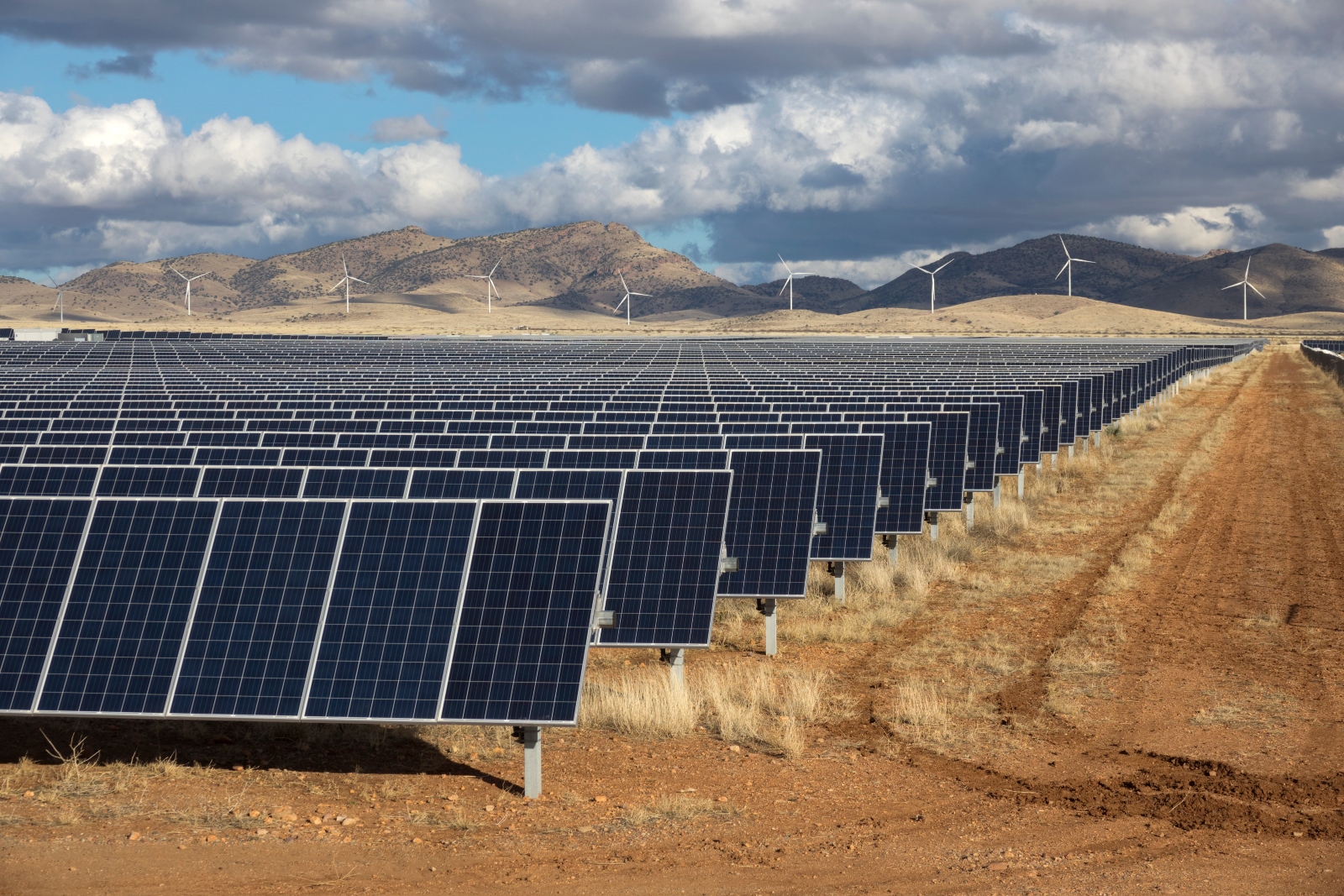
But the transition has not come to a complete halt. Most solar and wind projects that relied on Biden-era tax credits are still moving forward because they can make a profit even without subsidies. The electricity sector in particular is edging away from fossil fuels as renewables offer a cheap and fast alternative in many parts of the country. And some nixed projects may make a comeback despite Trump’s efforts to kill them.
Even now, a year after the repeal, its full effects are difficult to measure. It’s also hard to separate the effect of the IRA repeal from the Trump administration’s other policies. The president has canceled federal grants for clean energy projects, blocked the development of offshore wind, used executive authority to prevent the retirement of coal plants, and repealed dozens of agency rules that were meant to crack down on emissions. It’s unclear how many of these efforts will survive in court or how long they will last, which also makes it difficult to know how damaging the loss of tax credits for renewable energy and electric vehicles might be. That’s all without factoring in the AI boom, which has triggered more development of renewable energy and fossil fuels.
“There are all of these broader uncertainties and heterogeneity as well, where it’s really hard to be definitive about what are the effects of the repeal,” said Erin Mayfield, a climate modeling expert at Dartmouth University who also served as a climate consultant to the Biden administration. She added, though, that the transition is likely to be rockier without the IRA. “With the Inflation Reduction Act, the idea was that you’re building this kind of foundation for future change, you’re trying to structurally change our economy,” she said. That foundation is now gone.
Bill Clark / CQ-Roll Call, Inc via Getty Images
A report released earlier this month by the pro-climate business group E2 found that the Big Beautiful Bill and other Trump actions have caused an economic downturn in the clean energy sector. The group’s analysis found that the IRA repeal likely wiped out some $53 billion in wages and $20 billion in tax revenue that would have come from construction of new energy projects alone. That doesn’t even account for the annual revenue and wages that battery factories and other projects would have produced every year. These projects would have created around $55 billion in annual output, larger than the gross domestic product of the entire state of Vermont.
“Businesses rely on market certainty, and the clean energy industry had that until the Big Beautiful Bill, and it doesn’t anymore,” said Bob Keefe, the executive director of E2, which produced the report.

The economic carnage is worst in the electric-vehicle industry. Even before the Big Beautiful Bill became law, major auto manufacturers pulled back on their plans to build new electric vehicle factories across the United States, and many startups that were planning large EV battery plants scrapped those proposals as well. The auto makers cited soft demand for electric cars among American consumers, but many experts believe that the contraction was also driven by an expectation that Trump would repeal the EV credits in the IRA. (E2’s analysis considers cancellations beginning on January 1, 2025, before Trump even took office.)
“This didn’t start with the bill,” said Keefe. “It started with the raft of executive orders that the president issued the day he took office. It started probably actually on the campaign trail. It’s been pretty clear where the market has been headed.”
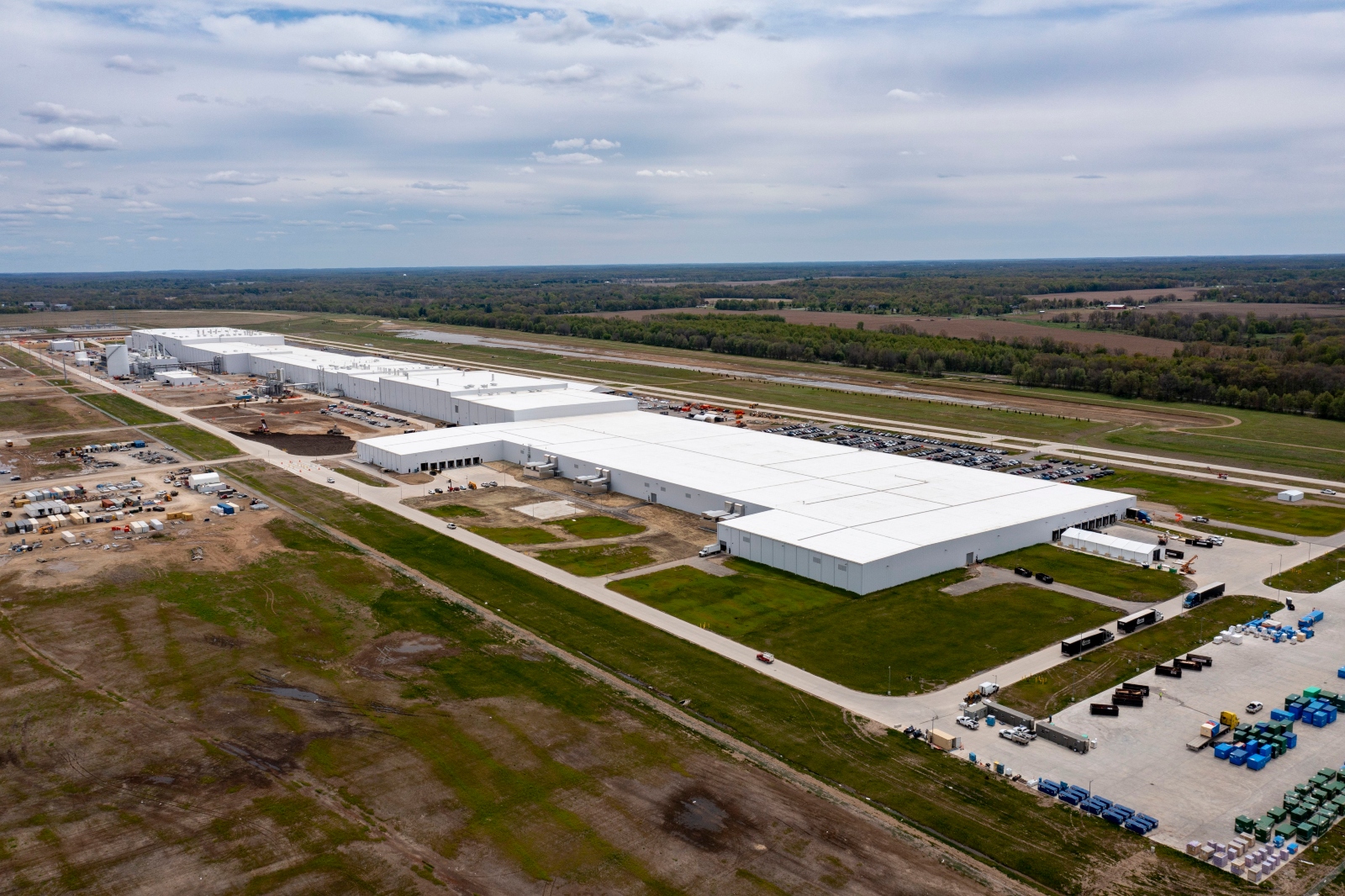
The wave of closures and cancellations has erased more than 250,000 jobs in the electric vehicle sector, according to the analysis from E2, accounting for around half of all job losses from the repeal. These high-wage manufacturing jobs would have been long-term jobs, not temporary construction roles. Even so, not every cancelled project on E2’s list is gone for good. Last year, Ford closed down an electric vehicle battery plant it owned with the company BlueOvalSK. A few months ago, it began retooling the plant to create utility-scale batteries that can store solar energy during times when the sun isn’t shining.
Jim West / UCG / Universal Images Group via Getty Images
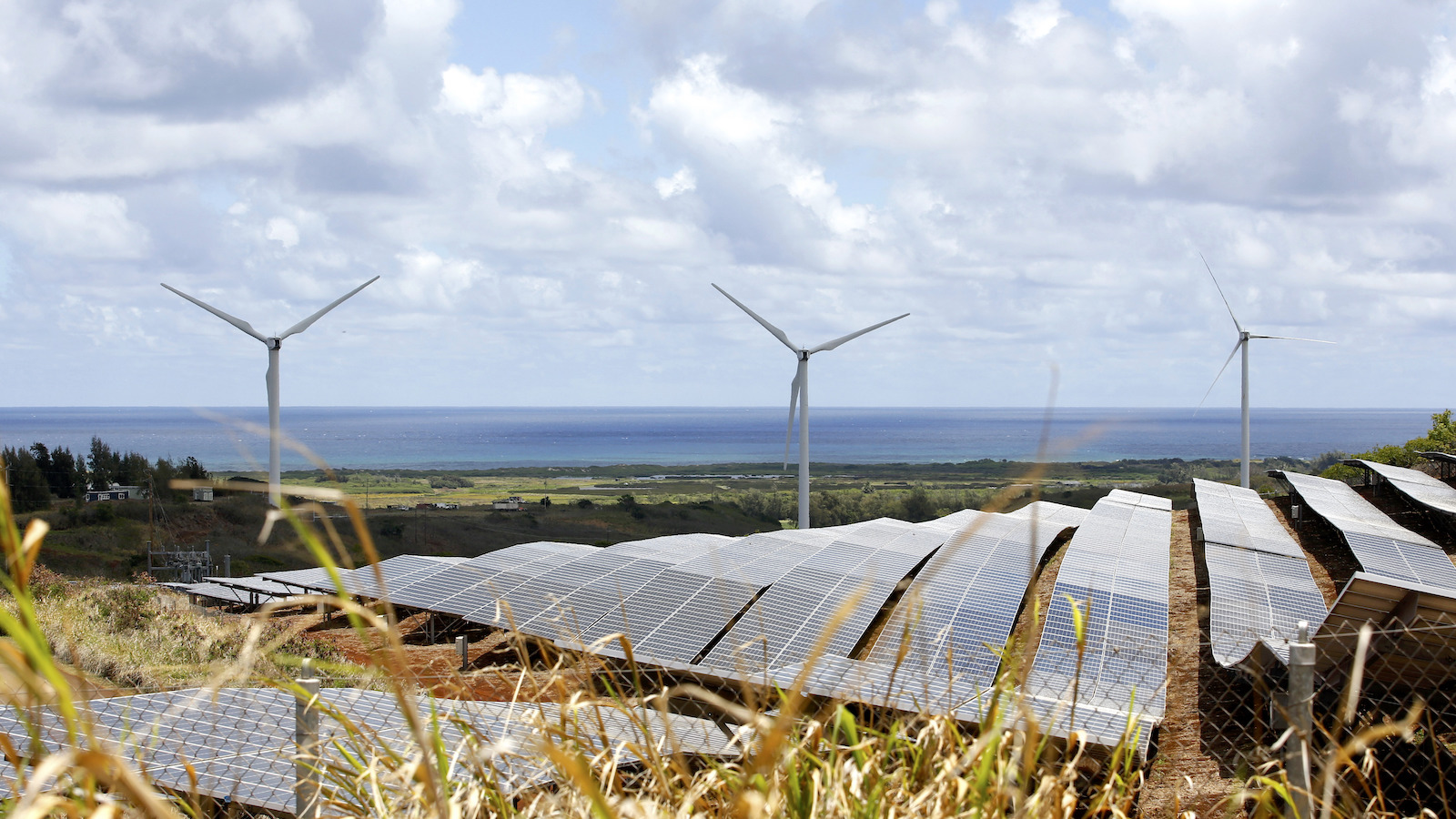
But when it comes to the electricity that lights our homes and buildings, other experts argue that the picture is not as dire. The IRA provided a rebate to developers who built new solar and wind farms, but losing that rebate hasn’t destroyed the clean power sector altogether. A new paper from Massachusetts Institute of Technology’s Center for Energy and Environmental Policy Research, published last week, argues that “the glass is half full” when it comes to solar and wind. By comparing two models of the power grid, one from before the repeal and one from after, the paper concludes that around 75 percent of new clean power expected under the IRA will still come online despite the loss of the tax credits.
“The wind and solar tax credits…certainly accelerated deployments and investments when they were in place,” said Lily Bermel, the author of the report, who is now a visiting fellow at Columbia University’s Center for Global Energy Policy. “But without them, what you see is the baseline of market momentum that is still adding this energy to the grid.”
Solar has proven especially resilient, according to Bermel. More than 80 percent of large-scale solar power plants and almost all rooftop solar that were projected under the IRA will still come online. The picture is much worse for onshore wind farms, which are more expensive and take longer to build. These projects are also facing roadblocks from Trump’s Pentagon. Roughly 50 percent of those projects will vanish without tax credits to support them.
In an ironic twist, the boom in artificial intelligence data centers could blunt the economic impact of these losses, even as their power usage encourages further consumption of coal and natural gas. While Trump’s repeal has wiped out an estimated 125,000 construction jobs in clean energy, the data center boom has created tens of thousands of jobs that no one was expecting when the bill became law. As of late last year, the construction industry was short almost half a million workers. By the same token, tech giants are now paying top dollar for renewable energy to power data centers. Despite the broader struggles in the onshore wind industry, Google just inked a billion-dollar deal to build around 1.4 gigawatts of wind power in Minnesota, enough for around half a million homes. Tech companies also promise investments in transmission and batteries, which will make it easier to build more renewables that can displace legacy coal and gas.
“Demand being that big sends a huge signal to investors and developers to do more in this space,” said Ray Long, the president of the American Council on Renewable Energy, which represents solar and wind developers. “There still remains a lot of interest in investing in clean energy infrastructure in the United States.”
In addition to her argument that clean energy has survived the repeal of the IRA tax credits, Bermel’s paper makes another provocative argument. She writes that Biden’s climate subsidies weren’t working all that well even before they were repealed. That’s because there were still constraints to building the amount of solar and wind that the market was demanding — the U.S. has a shortage of transmission lines that carry power from region to region, and federal law requires lengthy environmental and historic preservation reviews for new construction projects.
Even when the Inflation Reduction Act passed, many experts warned that it would fail unless the United States built more new transmission: A projection from the REPEAT Project at Princeton University found that 80 percent of the law’s potential climate benefits depended on that. Yet those lines never appeared.
Congress has been trying this year to pass a “permitting reform” law that would incentivize new transmission lines and cut down on environmental reviews. The idea has bipartisan support in the House and the Senate because it would boost clean energy while also cutting down on regulations. Bermel argues that passing this package would be better for the climate than restoring the energy tax credits that Trump repealed, as Democrats and even some Republicans have proposed to do after the midterms.
“The point of the IRA was that it made clean [energy] cheaper, and in being successful at doing that, what we did was reveal how big and how scary a monster under the bed permitting is,” said Bermel.
Getty Images
The clean energy industry is trying to look beyond the Inflation Reduction Act and the subsidies that came with it. Long of the American Council on Renewable Energy was lukewarm about restoring the tax credits. He instead focused on permitting reform and the need to liberate wind and solar projects that the Trump administration is blocking.
“What we’ve got out there, irrespective of policy, is a functioning market,” he said. “The holdup is action and inaction by government. If we’re going to have a discussion about tax credits…we need to have durability, it really needs to be bipartisan.”
Even so, there are roadblocks: the lead Democrats behind the effort have said they won’t endorse a deal until the Trump administration stops using executive authority to block solar and wind projects on federal lands and waters. And not everyone wants to weaken environmental laws — many climate nonprofits, community groups, and tribal nations say that rolling them back to simplify and speed up permitting would allow developers to bulldoze sensitive species and sacred territory.
A case in point for both sides is SunZia, a 550-mile transmission line that carries electricity from a wind farm in New Mexico to the cities of Southern California. The new electricity from this $11 billion project will help the metropolis plug in more electric vehicles and wean itself off gasoline. It is the largest wind project in the United States, and it only happened thanks to the wind tax credits, which provide a rebate for every watt of electricity that the project’s wind turbines generate. But despite these incentives, the line still took more than a decade to build. First, it had to go through multiple state regulatory approvals, and it had to be rerouted to avoid a wildlife refuge and a missile testing site. Then, in 2024, the Tohono O’odham and San Carlos Apache tribal nations sued to stop the project, arguing that the government had failed to account for its impacts on important ancestral territory and a pristine desert valley.
Even if Congress passes a permitting reform bill, that won’t set the United States on a path toward meeting the goals of the Paris agreement, the worldwide pact that sought to limit climate change to 2 degrees Celsius. But the Inflation Reduction Act didn’t either. The Biden-era law made it more lucrative to build solar panels, manufacture high-powered batteries, and buy electric vehicles, but it didn’t make it easier to do those things. The law didn’t provide for power lines that could carry that new electricity around, and it didn’t clear legal hurdles for companies that wanted to build large-scale clean power.
The best that climate advocates can hope for out of the Trump administration is an inversion of that reality. If Trump presides over the repeal of the IRA and the passage of a major permitting package, he will have made all the above climate actions easier but less lucrative.
The hope in that case is that clean power and gas-free cars will become cheap and reliable enough to outcompete fossil fuels on their own merits. The question is how long that will take. We don’t know how long it would have taken if Trump had not repealed the Inflation Reduction Act, but we know it will take longer now.