Published on
July 15, 2026

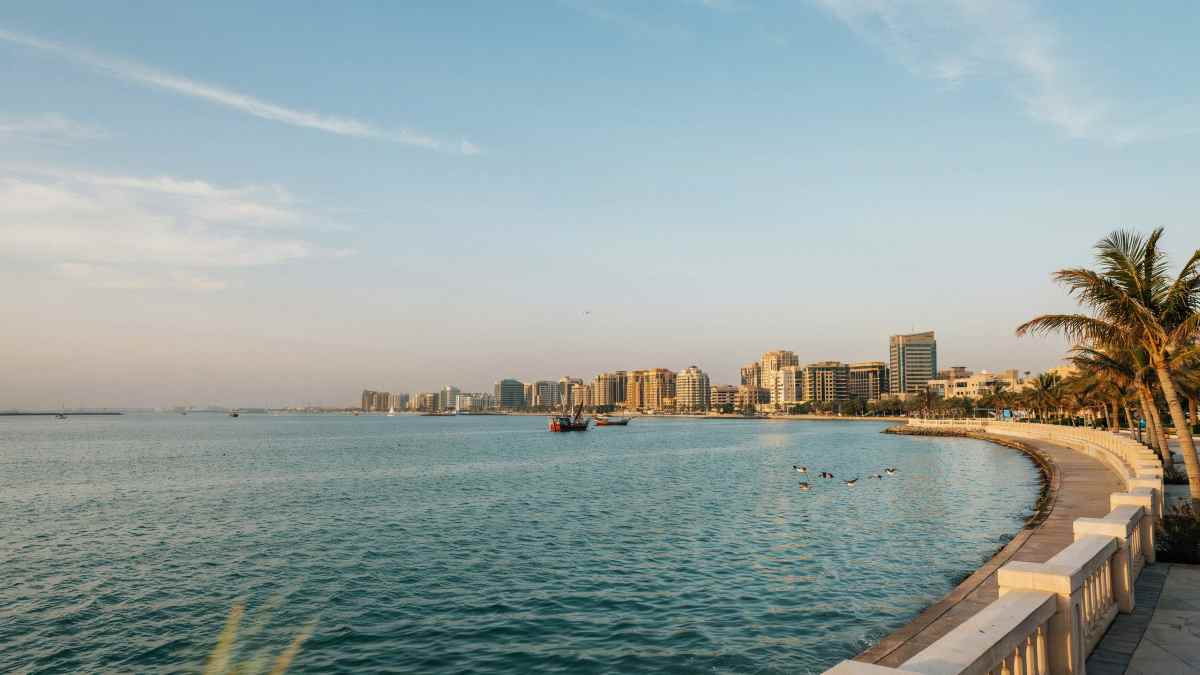
Image generated with Ai
UAE, Qatar, Bahrain and Kuwait Come Under Global Travel Spotlight as UK, Australia and Canada escalate advisories over missile and Drone Threats, Reshaping Gulf Tourism. Just when the Gulf was enjoying another record-breaking tourism season, the conversation changed almost overnight. The United Arab Emirates, Qatar, Bahrain and Kuwait—long regarded as some of the Middle East’s safest and most reliable transit hubs—are now attracting worldwide attention for a very different reason. Governments, including the United Kingdom, Australia and Canada, have strengthened their travel advisories, urging citizens to carefully reconsider travel because of the unpredictable security situation created by regional missile and drone threats.
The advisories do not close borders or suspend tourism. Hotels remain open, airports continue operating and attractions are welcoming visitors. However, the updated guidance reflects growing concern that the wider regional conflict could create sudden disruptions affecting aviation, transport and public safety.
Why Governments Have Tightened Their Travel Advice
The updated advisories follow weeks of escalating military activity across West Asia involving missile launches, drone attacks and changing airspace restrictions.
The UK’s Foreign, Commonwealth & Development Office (FCDO), together with Australian and Canadian authorities, advises travellers already in the Gulf to remain vigilant, closely follow local government instructions and avoid areas close to military installations, which could become potential targets if regional tensions intensify.
For travellers, the message is less about cancelling holidays and more about staying informed as the security situation continues to evolve.
Tourism Continues, but Flexibility Has Become Essential
Despite the heightened advisories, tourism infrastructure across the Gulf continues to function normally.
Advertisement
Advertisement
Dubai continues welcoming millions of visitors to attractions such as Burj Khalifa and Dubai Mall. Doha remains a leading destination for luxury tourism and international sporting events. Bahrain’s hospitality sector continues serving both leisure and business travellers, while Kuwait remains an important regional business hub.
International airports remain operational, although airlines continue reviewing routes and may introduce schedule changes depending on airspace restrictions and operational risk assessments.
Travellers planning holidays should confirm flight schedules before departure and remain prepared for possible changes.
Aviation Faces Another Period of Uncertainty
The Gulf serves as one of the world’s busiest aviation crossroads.
Major hubs including Dubai International Airport, Hamad International Airport, Abu Dhabi Zayed International Airport, Bahrain International Airport and Kuwait International Airport connect passengers across Europe, Asia, Africa and Oceania.
Although flights continue operating, several international airlines have adjusted routes to avoid areas affected by military activity. Longer flight times, revised departure schedules and occasional cancellations remain possible as airlines prioritise passenger safety.
Advertisement
Advertisement
Destination Guide: Dubai, United Arab Emirates
Nearest Airport
- Dubai International Airport (DXB) – approximately 15 km from Downtown Dubai.
Nearby Attractions
- Burj Khalifa – around 15 km.
- Dubai Mall – approximately 14 km.
- Museum of the Future – around 10 km.
- Palm Jumeirah – approximately 32 km.
Nearest Metro
- Airport Terminal Metro Stations connect directly with central Dubai.
Hotels
- Le Méridien Dubai Hotel.
- Premier Inn Dubai International Airport.
- Holiday Inn Express Dubai Airport.
Shopping and Grocery
- Dubai Mall.
- Mall of the Emirates.
- Carrefour.
- Lulu Hypermarket.
- Spinneys supermarkets.
Destination Guide: Doha, Qatar
Nearest Airport
Advertisement
Advertisement
- Hamad International Airport – approximately 14 km from central Doha.
Nearby Attractions
- Souq Waqif – around 11 km.
- Museum of Islamic Art – approximately 10 km.
- The Pearl-Qatar – around 20 km.
Hotels
- Mandarin Oriental Doha.
- Marriott Marquis City Centre.
- Fairmont Doha.
Shopping
- Doha Festival City.
- Villaggio Mall.
- Carrefour and Monoprix supermarkets.
Destination Guide: Manama, Bahrain
Nearest Airport
- Bahrain International Airport – approximately 7 km from central Manama.
Nearby Attractions
- Bahrain National Museum – around 5 km.
- Bab Al Bahrain – approximately 2 km.
- The Avenues Bahrain – around 4 km.
Hotels
Advertisement
Advertisement
- Four Seasons Bahrain Bay.
- Gulf Hotel Bahrain.
- The Ritz-Carlton Bahrain.
Shopping
- City Centre Bahrain.
- The Avenues Bahrain.
- Lulu Hypermarket.
Destination Guide: Kuwait City
Nearest Airport
- Kuwait International Airport – approximately 16 km from Kuwait City.
Nearby Attractions
- Kuwait Towers – around 5 km.
- Souq Al-Mubarakiya – approximately 2 km.
- Sheikh Jaber Al Ahmad Cultural Centre – around 3 km.
Hotels
- Four Seasons Kuwait.
- Marriott Kuwait City.
- Jumeirah Messilah Beach Hotel.
Shopping
- The Avenues Mall.
- 360 Mall.
- Sultan Centre supermarkets.
Practical Travel Advice
Travellers visiting the Gulf should:
Advertisement
Advertisement
- Check official travel advisories before departure.
- Monitor airline notifications regularly.
- Avoid areas close to military facilities if advised by local authorities.
- Keep emergency contact details readily available.
- Allow additional time for airport security procedures.
Flexible hotel reservations and travel insurance that covers itinerary changes may also help travellers manage unexpected disruptions.
Key Stats
- The UK, Australia and Canada have strengthened travel advisories covering parts of the Gulf.
- UAE, Qatar, Bahrain and Kuwait remain open to international visitors.
- Major international airports continue operating commercial services.
- Airlines continue monitoring regional airspace and adjusting routes where necessary.
- Gulf airports collectively handle hundreds of millions of passengers annually, making the region one of the world’s busiest international aviation corridors.
FAQ
Are tourists still allowed to visit the UAE, Qatar, Bahrain and Kuwait?
Yes. Tourism continues, and airports, hotels and attractions remain operational.
Why have travel advisories changed?
Governments cite the unpredictable risk of regional missile and drone attacks linked to ongoing tensions across West Asia.
Should travellers cancel their holidays?
Authorities generally advise travellers to remain informed, follow official guidance, monitor airline updates and avoid sensitive locations rather than making assumptions based solely on regional headlines.
Timeline and Events
- Recent weeks: Regional military tensions intensified across West Asia.
- Current: The UK, Australia and Canada updated travel advisories for parts of the Gulf.
- Current: FCDO advises travellers in affected areas to avoid military infrastructure and monitor official updates.
Conclusion
UAE, Qatar, Bahrain and Kuwait Come Under Global Travel Spotlight as UK, Australia and Canada escalate advisories over missile and Drone Threats, Reshaping Gulf Tourism. The strengthened travel advisories for the UAE, Qatar, Bahrain and Kuwait highlight how rapidly changing regional security conditions are influencing international tourism across the Gulf. While these destinations continue welcoming visitors and maintaining normal tourism operations, governments are urging travellers to remain vigilant as missile and drone threats create an increasingly unpredictable environment. For those planning journeys to the region, staying informed, monitoring airline schedules and following official guidance will remain essential while one of the world’s busiest travel corridors navigates a period of heightened uncertainty.
Advertisement
Advertisement