Published on
July 14, 2026
By: Angana Dutta

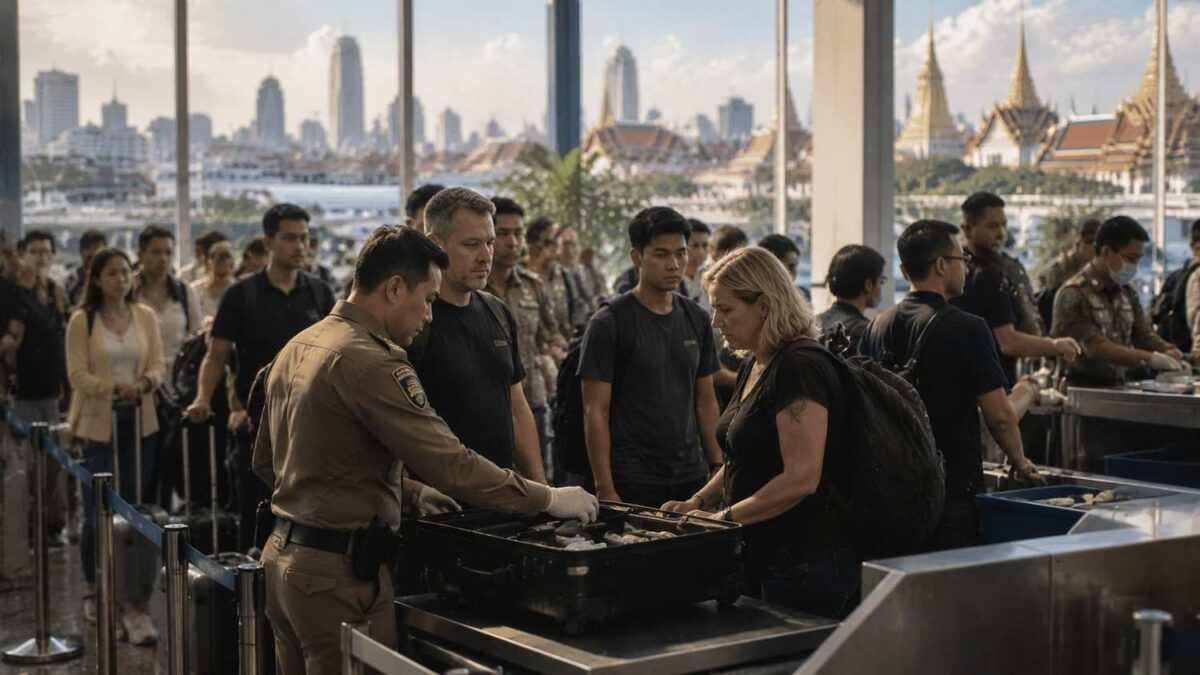
Image generated with Ai
As of July 2026, there are more severe travel warnings for Thailand. People unfamiliar with the situation may be more vulnerable to the hostile legal system. In Thailand, there are tough punishments for illegal cannibls products, which may include legal fees in the hundreds of dollars and years in prison. Stricter border enforcement means travelers from the United States, United Kingdom and Canada may be at more risk, especially if your airline is Thai Airways, Emirates, Qatar Airways and Singapore Airlines. These travel advisories are especially concerning if you plan on visiting major hotspots like Bangkok, Phuket, and Koh Samui.
Thailand remains one of Asia’s most popular holiday destinations, attracting millions of visitors every year to places such as Bangkok, Phuket, Koh Samui, Krabi and Chiang Mai. However, changing regulations mean tourists must now pay closer attention to local laws before packing their luggage or crossing international borders.
Thailand Travel Warning Expands as Cannabis Border Rules Become Stricter for Tourists
The latest Thailand travel warning focuses on cannabis products being carried across Thai borders without proper permission. While Thailand became the first country in Southeast Asia to remove cannabis from its narcotics list in 2022, authorities have since moved towards tighter controls.
The government’s decision comes after rapid growth in cannabis-related businesses and concerns over misuse, illegal trade and cross-border transportation.
The key issue for travellers is that:
- Cannabis may be permitted under certain conditions inside Thailand, but exporting or importing cannabis remains restricted.
- Foreign visitors must not assume domestic rules apply when crossing international borders.
- Carrying cannabis products into or out of Thailand without approval can lead to criminal action.
For international tourists, the biggest risk is not intentional crime but misunderstanding updated laws.
Advertisement
Advertisement
Why Thailand Is Tightening Cannabis Rules in 2026

Image generated with Ai
Thailand’s cannabis policy has changed significantly over recent years.
The country initially opened its cannabis market in 2022, leading to rapid expansion of cannabis shops, wellness businesses and tourism-related activities.
However, authorities later introduced stronger controls because of concerns related to:
- Unregulated recreational use
- Illegal cannabis distribution
- Foreign visitors misunderstanding local laws
- Cross-border smuggling risks
- Businesses operating without proper approval
The latest restrictions are part of a wider government effort to strengthen public safety and prevent illegal activities linked to controlled substances.
United States Travellers Face New Thailand Cannabis Warning Before Holidays
The United States is one of Thailand’s important long-haul tourism markets. American visitors frequently travel to Bangkok, Phuket, Chiang Mai and Thailand’s island destinations.
US travellers have been advised to understand that cannabis laws in Thailand are different from those in many American states.
Advertisement
Advertisement
Key risks for US tourists:
| Category | Details |
|---|---|
| Travel market | United States |
| Popular Thai destinations | Bangkok, Phuket, Koh Samui, Chiang Mai |
| Main concern | Carrying cannabis across international borders |
| Risk | Criminal penalties, fines and detention |
| Traveller advice | Check Thai customs regulations before departure |
Many US states allow cannabis use under local laws, but international travel rules are different. Travellers remain subject to Thai law once they arrive.
UK Travellers Warned as Thailand Border Checks Increase
The United Kingdom is another major source market for Thailand tourism. British travellers often visit Thailand for beach holidays, luxury escapes and long-distance leisure trips.
The new cannabis restrictions are especially important because some UK travellers may incorrectly believe that relaxed cannabis rules in parts of the world mean they can carry cannabis internationally.
British visitors should remember:
- International borders follow destination-country laws.
- Airport customs officers enforce Thai regulations, not UK regulations.
- Tourists can face legal action even if they were unaware of rule changes.
Thailand remains a popular destination for UK travellers, but awareness of local regulations is becoming increasingly important.
Canada Travellers Face Extra Confusion Over Cannabis Rules
Canada is one of the countries where cannabis use is legal domestically, creating possible confusion among travellers.
Advertisement
Advertisement
Canadian tourists visiting Thailand must understand that legal cannabis possession in Canada does not allow travellers to transport cannabis internationally.
| Country | Travel Concern | Main Message |
|---|---|---|
| Canada | Domestic cannabis legality creates confusion | International transport remains restricted |
| United States | Different state laws create misunderstanding | Thai regulations apply after arrival |
| United Kingdom | Growing awareness needed | Tourists must follow Thai customs rules |
For Canadian visitors, the biggest travel mistake is assuming home-country rules apply abroad.
Thai Airways, Emirates, Qatar Airways and Singapore Airlines Passengers Face New Travel Awareness Challenge
The new restrictions directly affect international airline passengers arriving in Thailand.
Major carriers connecting travellers with Thailand include:
| Airline | Country | Thailand Travel Role |
|---|---|---|
| Thai Airways | Thailand | National carrier connecting Bangkok with global markets |
| Emirates | United Arab Emirates | Major long-haul connection between Thailand and Europe, Middle East and Americas |
| Qatar Airways | Qatar | Important international gateway to Thailand |
| Singapore Airlines | Singapore | Major regional and global connecting airline |
Airlines may provide general travel information, but passengers remain responsible for understanding destination laws.
The responsibility falls on travellers before departure, especially when carrying personal items, medication or plant-based products.
Advertisement
Advertisement
Bangkok, Phuket and Koh Samui Tourists Face New Airport and Border Risks
Thailand’s biggest tourism destinations are expected to remain popular, but visitors need greater awareness.
Bangkok
Bangkok remains Thailand’s primary international gateway, receiving millions of overseas visitors through its major airports.
Travellers arriving in the capital must ensure their luggage complies with Thai customs regulations.
Phuket
Phuket is one of Asia’s most famous beach destinations, attracting travellers from Europe, North America and Asia.
The island’s popularity among international tourists makes awareness of border rules particularly important.
Koh Samui
Koh Samui continues to attract luxury travellers, honeymooners and wellness tourists.
Advertisement
Advertisement
Visitors arriving through regional connections must also follow Thailand’s national customs rules.
Thailand Tourist Safety Warning: What Travellers Should Avoid

Image generated with Ai
Visitors should avoid carrying:
- Cannabis buds or cannabis products across borders
- Unverified substances purchased abroad
- Items that may contain restricted ingredients
- Products without proper documentation
Travellers should also avoid relying on social media information because regulations can change quickly.
What Travelers Should Do
Before travelling to Thailand, visitors should take practical steps to avoid legal problems.
Check the latest Thailand entry rules
Travellers should review official Thai government requirements before departure.
Avoid carrying cannabis products internationally
Even if cannabis is legal or regulated in a traveller’s home country, international transportation can create serious legal risks.
Advertisement
Advertisement
Check airline baggage requirements
Passengers flying with:
- Thai Airways
- Emirates
- Qatar Airways
- Singapore Airlines
should review prohibited items before packing.
Keep documents ready
Travellers should carry:
- Passport
- Visa documents if required
- Medical documentation for permitted medicines
- Travel insurance details
Respect local laws
Every country has different regulations. Tourists are responsible for following the laws of their destination.
Why Travellers Want to Know About Thailand’s New Warning
This story matters because Thailand is not a niche destination. It is one of the world’s biggest tourism markets.
Millions of visitors travel every year for:
Advertisement
Advertisement
- Beach holidays
- Luxury resorts
- Food tourism
- Cultural experiences
- Wellness retreats
- Island adventures
A simple mistake at customs can affect an entire holiday.
The biggest lesson for travellers is that legal rules can change faster than travel habits.
Frequently Asked Questions About Thailand Travel Warning
Can tourists bring cannabis into Thailand?
No. Travellers should not bring cannabis products into Thailand without proper legal approval. International transportation of cannabis remains restricted.
Can tourists face prison for cannabis-related travel violations in Thailand?
Yes. Authorities have warned that serious violations involving cannabis import, export or attempts to avoid restrictions can result in criminal penalties, including possible imprisonment and fines.
Are Thai Airways, Emirates and Qatar Airways responsible for checking Thailand’s cannabis rules?
Airlines provide passenger guidance, but travellers are responsible for understanding and following Thailand’s customs and border regulations.
Author’s Observation
Thailand remains one of the world’s most attractive tourism destinations, but the latest cannabis restrictions highlight a wider challenge facing international travel: rapidly changing laws can create unexpected risks for visitors. The strongest advice for travellers is simple — enjoy Thailand’s beaches, culture and hospitality, but always check current entry and customs rules before flying. Awareness can prevent a dream holiday from becoming a legal problem.
Advertisement
Advertisement