Published on
July 11, 2026

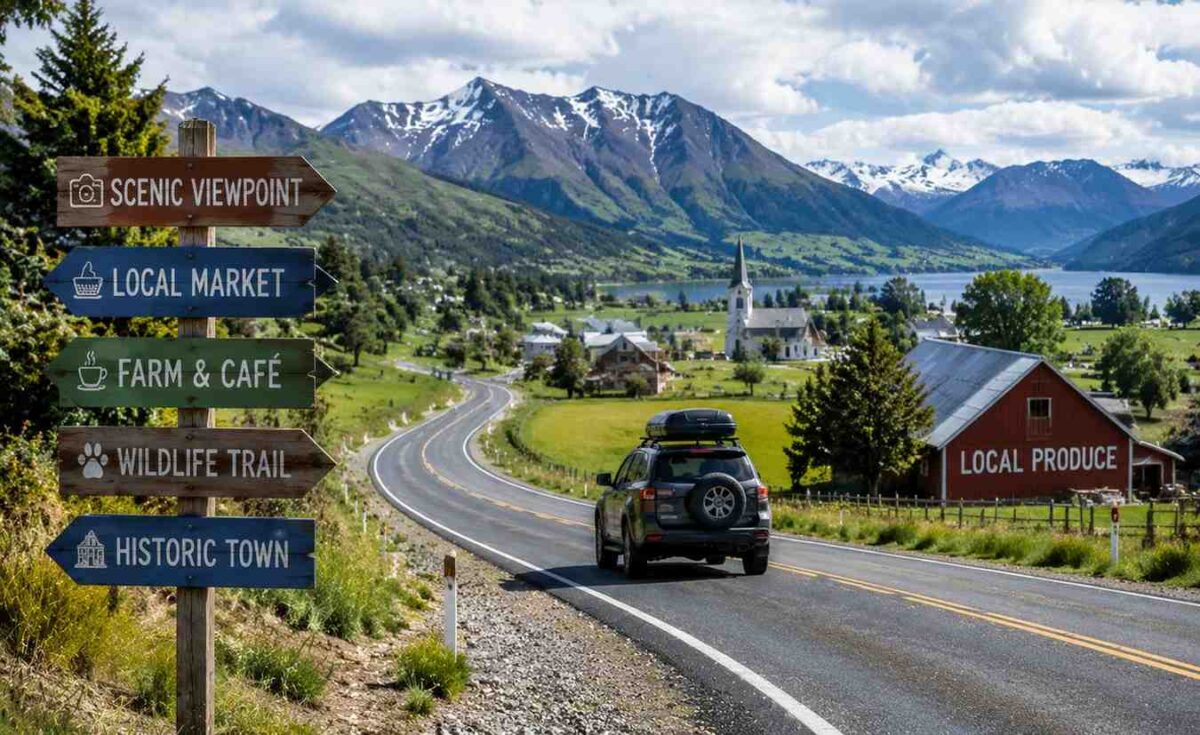
Image generated with Ai
The Tourism Discovery Challenge is attracting interest since Australia, the UK, Canada, and New Zealand have more concerns about travelers discovering secret destinations and rural activities. The issue gained momentum after Denmark, WA, told some businesses to take down their signs on the road. The needs of businesses and safety of customers, combined with apprehension of Tourism operators, who worry travelers may not see their businesses, has made this a priority concern. The demands of customers on road trips for more accurate representations of rural and regional activities has made this a key priority, especially for rural businesses that have to rely on self-promotion to drive regional and rural tourism.
The issue has created a wider conversation about how modern travellers navigate rural destinations, especially as road trips, slow travel and authentic local experiences continue to grow globally. For tourists, the concern is simple: if signs disappear, will travellers drive past some of the world’s most unique experiences without knowing they exist?
Tourism Discovery Challenge Grows as Road Signs Become Critical for Hidden Travel Experiences
The tourism discovery challenge is becoming a major issue for regional destinations where visitors often rely on roadside signs to locate small businesses, nature attractions and local experiences.
In Denmark, Western Australia, several tourism and hospitality operators have been asked to remove roadside signs that authorities consider potentially unsafe or non-compliant. The Shire of Denmark said the action followed concerns about road safety, particularly signs placed near high-speed roads and traffic areas.
However, local businesses argue that these signs play a vital role in tourism.
Many attractions are located away from town centres, meaning travellers cannot discover them through normal foot traffic. Directional signs often become the first connection between a visitor and a local business.
Advertisement
Advertisement
Tourism operators say roadside visibility helps travellers find:
- Farm cafes
- Boutique wineries
- Local food producers
- Nature experiences
- Small rural businesses
The debate highlights a major tourism question: how can destinations protect road safety while ensuring travellers do not miss hidden experiences?
Advertisement
Advertisement
Australia’s Denmark Western Australia Sparks Global Road Trip Tourism Debate

Image generated with Ai
Australia’s role in the discussion comes from Denmark, a popular holiday destination in Western Australia’s Great Southern region.
The area attracts visitors because of its:
- Ancient forests
- Coastal landscapes
- Beaches
- Wine tourism
- Local produce experiences
Businesses outside the main town depend heavily on passing travellers.
A café and farm business operator in the region said removing signs could affect customer numbers because visitors travelling at highway speeds may not notice attractions without advance directions.
Advertisement
Advertisement
The concern is particularly important for regional tourism because many businesses are not located on major visitor routes.
Australia Regional Tourism Impact
| Area | Tourism Importance |
|---|---|
| Western Australia | Known for nature-based tourism, coastal experiences and long-distance road trips |
| Denmark | Popular for wineries, forests, beaches and food experiences |
| Regional businesses | Depend on visitor discovery and road-trip traffic |
| Road signage | Helps travellers locate attractions away from town centres |
Australia has continued to promote regional tourism through destination development strategies, with a focus on spreading visitor spending beyond major cities.
United Kingdom Scottish Highlands Face Similar Visitor Navigation Challenges
The Scottish Highlands represent another region where road travel is central to tourism.
Visitors often explore the Highlands through self-drive journeys, stopping at:
- Remote villages
- Castles
- Scenic viewpoints
- Outdoor adventure locations
- Local food businesses
The region’s popularity has increased pressure on roads, communities and visitor infrastructure.
Tourism management in Scotland has focused on balancing growing visitor numbers with environmental protection and community needs.
Advertisement
Advertisement
For travellers, clear information systems remain important because many attractions are located in remote areas where mobile connectivity can be limited.
The challenge is similar to Australia: how can destinations manage tourism growth while ensuring visitors can safely discover local experiences?
Canada British Columbia Highlights Road Trip Tourism Pressure
Canada’s British Columbia is one of North America’s strongest road-trip destinations.
Travellers explore areas including:
- Coastal routes
- Mountain regions
- Wine areas
- National park gateways
British Columbia’s tourism economy benefits from visitors seeking outdoor adventures and rural experiences.
However, remote tourism businesses often depend on effective visitor information systems.
Advertisement
Advertisement
For travellers exploring large distances, finding smaller attractions can be difficult without proper directional support.
The province’s tourism model shows why rural businesses need both:
- Safe travel infrastructure
- Reliable visitor navigation
New Zealand South Island Faces Hidden Destination Discovery Challenge
New Zealand’s South Island is internationally recognised for road-trip tourism.
Visitors travel through destinations known for:
- Mountain landscapes
- Lakes
- Adventure tourism
- Rural communities
- Scenic driving routes
The South Island’s tourism experience depends heavily on self-drive visitors.
Many travellers create flexible itineraries and make spontaneous stops at:
Advertisement
Advertisement
- Small cafes
- Farm experiences
- Local attractions
- Scenic locations
This makes visitor information especially important.
The challenge is finding the right balance between protecting roads and helping tourists discover authentic destinations.
Why Travellers Need to Know About Tourism Sign Battles

Image generated with Ai
The issue matters because travel behaviour has changed.
Modern travellers increasingly search for:
- Authentic experiences
- Hidden destinations
- Local food journeys
- Slow travel routes
- Nature-based holidays
Many of these experiences are outside major cities.
A change in tourism signage policies can influence how easily visitors discover these places.
Advertisement
Advertisement
For travellers, the biggest impact could be:
- Missing attractions they never knew existed
- Spending less time in regional communities
- Reducing spontaneous road-trip experiences
- Changing travel routes
Country-Wise Tourism Discovery Challenge Overview
| Country | Region Highlighted | Main Tourism Concern |
|---|---|---|
| Australia | Denmark, Western Australia | Roadside signs helping visitors find rural attractions |
| United Kingdom | Scottish Highlands | Managing self-drive tourism and remote visitor access |
| Canada | British Columbia | Supporting road-trip tourism and rural business visibility |
| New Zealand | South Island | Helping travellers discover remote experiences safely |
What Travellers Should Do
Travellers planning regional road trips should prepare carefully because many attractions may not be visible from major routes.
Useful travel steps include:
- Research local attractions before driving
- Download offline maps in remote regions
- Save business locations before starting a road trip
- Check opening hours of rural businesses
- Plan fuel stops in remote areas
- Use official tourism information sources
- Avoid relying only on roadside signs
For international visitors, preparation becomes even more important because unfamiliar road systems can make navigation challenging.
The Future of Road Trip Tourism Depends on Balance
The global tourism industry is increasingly focused on regional experiences, but destinations must balance growth with safety.
Road signs are not only physical structures. They are part of the visitor journey.
Advertisement
Advertisement
For small tourism businesses, a sign can represent:
- A first-time visitor
- A new customer
- Local employment
- Regional economic growth
For governments, safety remains a priority.
The future approach may require smarter signage systems that support both traveller discovery and road safety standards.
Frequently Asked Questions
Why are road signs important for tourism businesses?
Road signs help travellers discover attractions that are located away from major towns and highways. They are especially important for rural cafes, wineries, farms and local experiences that depend on passing visitors.
Which destinations are facing tourism discovery challenges?
Australia’s Denmark in Western Australia, the United Kingdom’s Scottish Highlands, Canada’s British Columbia and New Zealand’s South Island highlight similar challenges around balancing road safety, visitor access and regional tourism growth.
How can travellers avoid missing hidden destinations during road trips?
Travellers should research routes in advance, save attraction locations, download offline maps and check local tourism information before exploring remote areas.
Advertisement
Advertisement
Author’s Observation Note
The road sign debate highlights a wider transformation in global tourism. Travellers are increasingly searching for authentic and lesser-known experiences, while destinations must maintain safe and sustainable infrastructure. The future of regional tourism will depend on finding practical solutions that protect roads while ensuring unique local experiences remain discoverable.
Advertisement
Advertisement