BEIJING — Media organisations across the Global South must embrace a mindset shift that puts audiences at the centre of content creation while investing in technological innovation to remain competitive in an increasingly digital world, China’s National Radio and Television Administration (NRTA) has said, writes Winston Mwale.
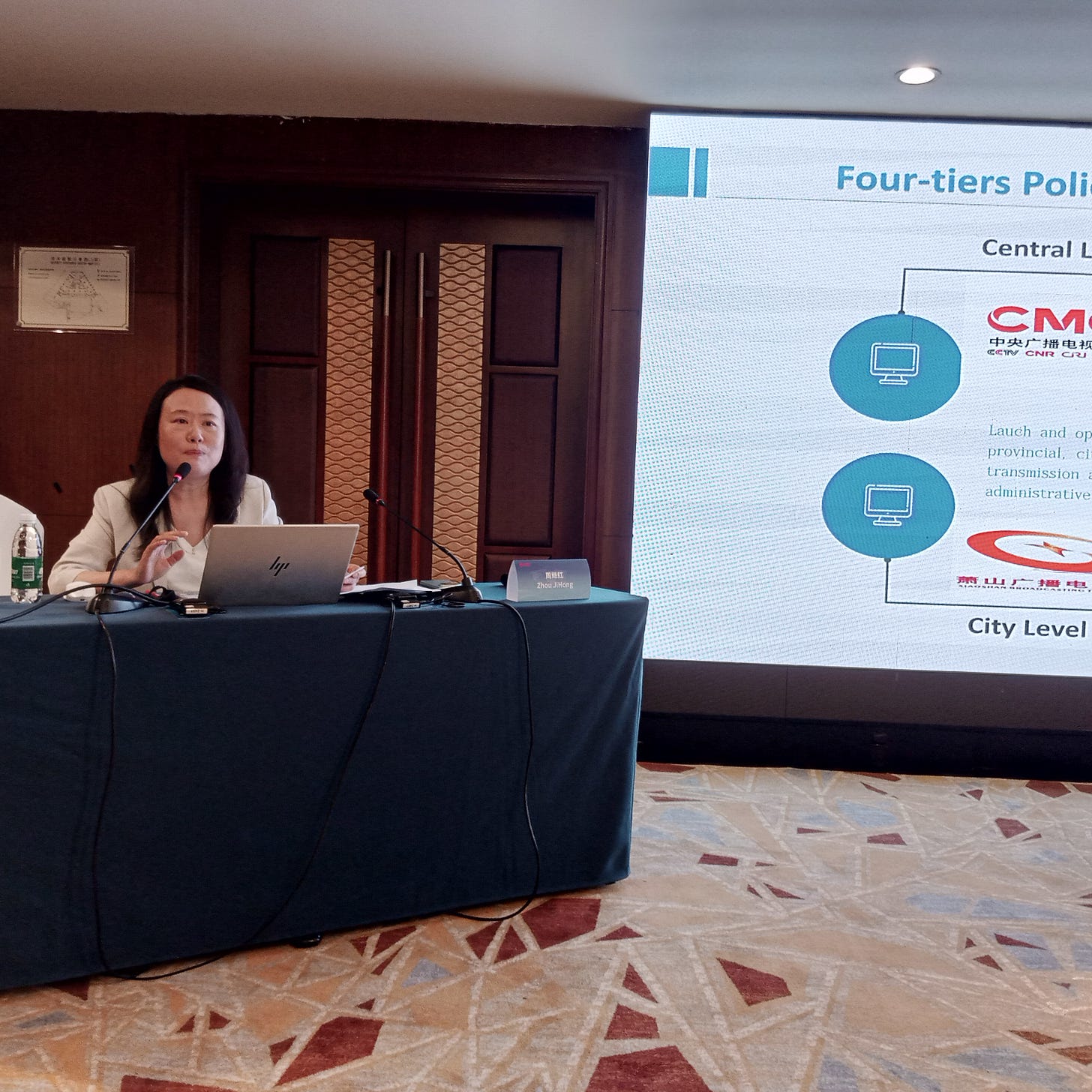
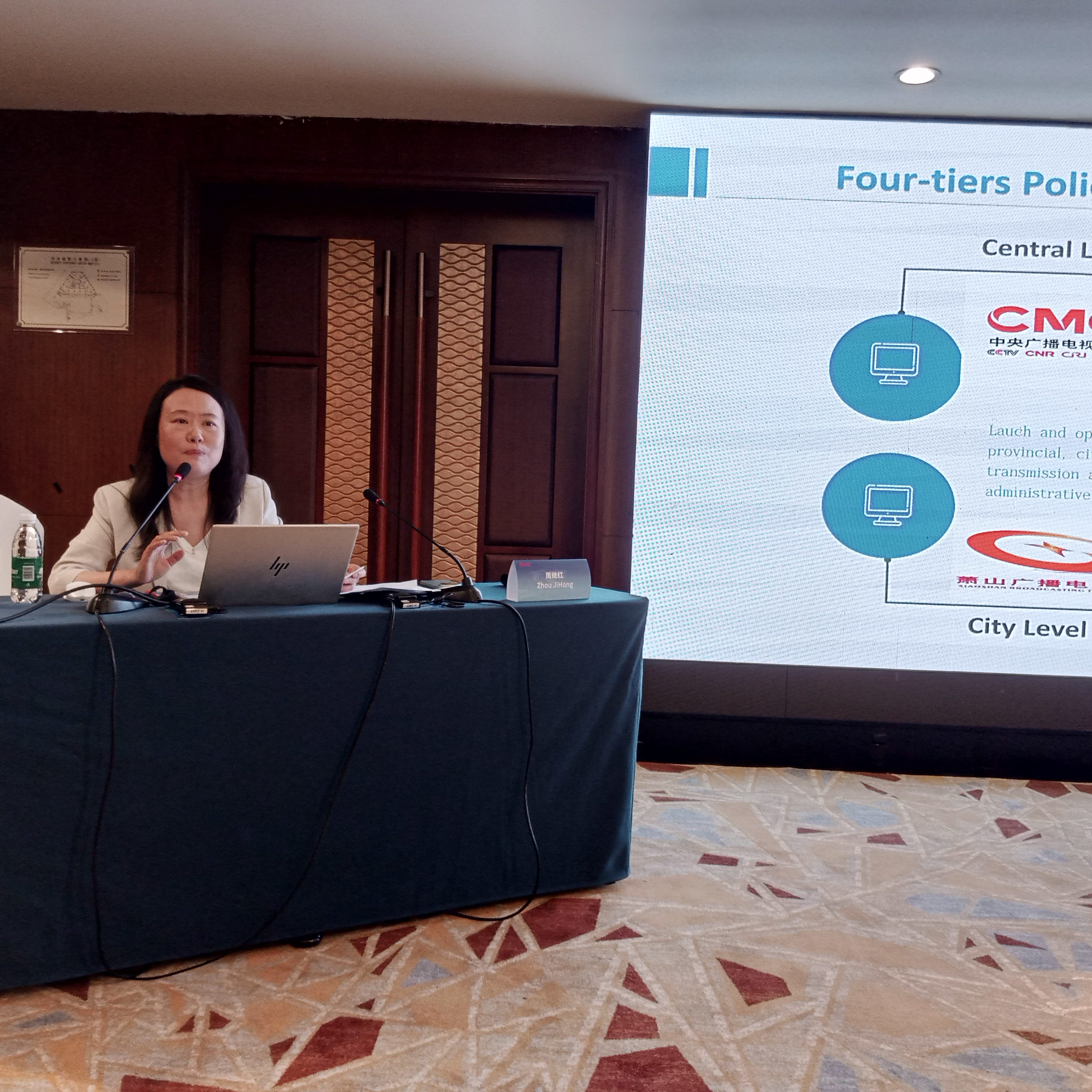
Delivering a presentation to journalists from more than 20 Global South countries attending a 10-day Global Development Initiative (GDI) programme on Saturday, Zhou Jihong, Director-General of the International Cooperation Department at the NRTA, used China’s broadcasting industry as a case study to demonstrate how innovation and user-oriented content can drive growth and expand international influence.
Speaking on “The Practice of China’s Radio, TV and Audio-Video Industry, International Exchanges & Cooperation,” Zhou said the future of broadcasting lies not only in adopting new technologies but also in understanding changing audience preferences and producing content that responds to users’ needs.
“The audience is changing, and media organisations must change with them,” she said, urging broadcasters to combine creativity with emerging technologies to improve both the quality of programmes and audience engagement.
She said China has integrated artificial intelligence throughout the broadcasting value chain, using it for news writing, script generation, digital anchors, translation, media management and copyright review.
According to Zhou, AI-assisted production has increased production efficiency by about 30 percent while lowering costs and enabling Chinese programmes to reach international audiences through multilingual dubbing and translation.
She, however, stressed that technology should complement creativity rather than replace it, adding that China is simultaneously strengthening legal and policy frameworks to ensure the responsible use of artificial intelligence.
Zhou also encouraged media organisations to embrace virtual reality (VR), augmented reality (AR) and extended reality (XR) to create richer and more immersive storytelling experiences that resonate with modern audiences.
Using China’s experience as an example, Zhou said sustained investment in technology has helped transform the country’s broadcasting sector.
China now has more than 1,100 high-definition television channels, alongside 4K and 8K ultra-high-definition services, with more than 60 percent of television programmes now produced in ultra-high definition.
She said the country’s media ecosystem has also expanded significantly, with approximately 2,500 radio and television stations, including 36 educational television stations.
Television reaches 99.82 percent of China’s population, while radio coverage stands at 99.74 percent.
The country also has 207 million cable television subscribers, 385 million IPTV users and 340 million OTT streaming users.
Zhou said innovation must extend beyond technology to content itself.
In 2025, China produced 110 television dramas, approximately 72,000 hours of documentaries, 336 animation productions totalling about 93,900 minutes, and 691 short dramas, reflecting growing demand for diverse content formats.
She pointed to the rapid growth of digital platforms such as Tencent Video, iQiyi, Mango TV, Douyin and Kuaishou, saying their success has been driven by understanding audience behaviour and integrating entertainment with education, e-commerce, culture and other services.
According to figures presented during the session, China’s radio, television and audio-visual industry generated more than RMB1.52 trillion (US$221.7 billion) in revenue in 2025, demonstrating the economic value of continuous innovation and audience-focused content.
Zhou said the lessons from China’s experience could help media organisations across the Global South strengthen their own industries by embracing digital transformation, investing in innovative content and placing audiences at the heart of their strategies.
“The future belongs to media organisations that innovate, understand their audiences and use technology to tell better stories,” she said.
