Published on
July 10, 2026

Image generated with Ai
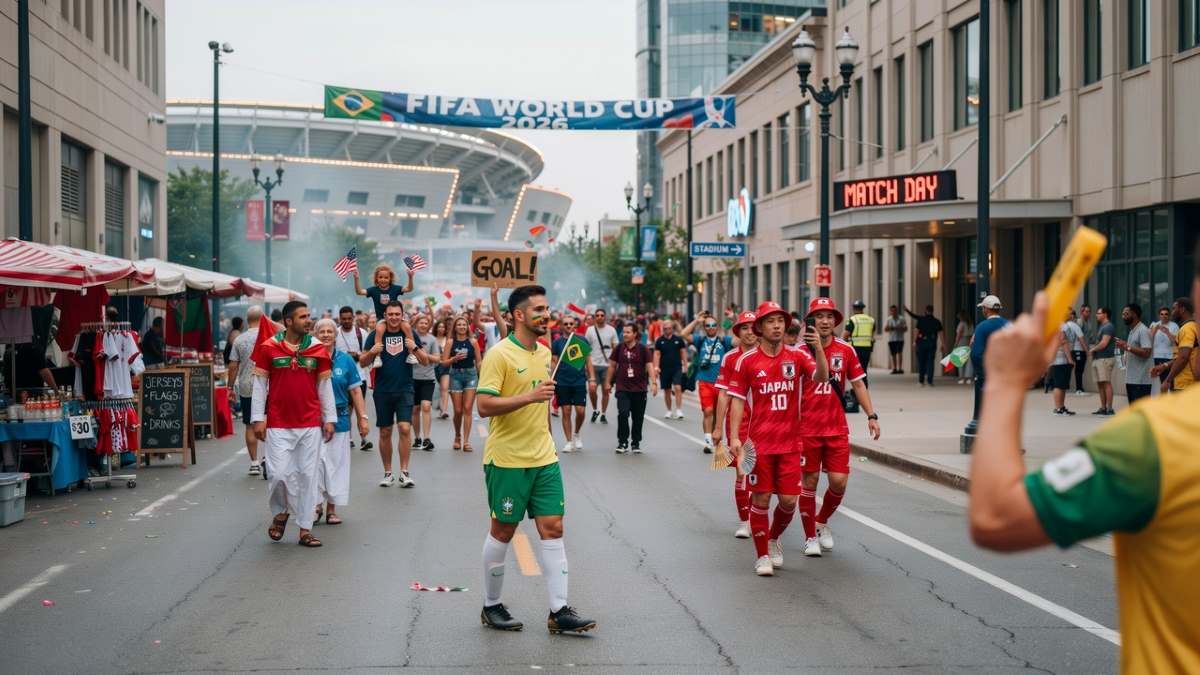
The FIFA World Cup 2026 has become one of the biggest sports tourism events ever organised, with the United States, Canada and Mexico hosting millions of football supporters across a vast North American travel network. As the tournament moves towards its final stages, fans following their national teams are experiencing a unique combination of excitement, rising expenses and complex travel challenges.
The expanded three-country format has changed the traditional World Cup experience. Supporters are no longer travelling between nearby venues within one host nation. Instead, they are crossing borders, covering thousands of kilometres and managing expensive journeys between some of North America’s largest cities.
The tournament has created enormous opportunities for tourism destinations, hotels, airlines, restaurants and local businesses. At the same time, it has placed financial pressure on dedicated supporters who are extending their stays as their teams continue progressing through the competition.
Winning Teams Create Unexpected Financial Pressure For World Cup Travellers
The success of national teams has become one of the biggest factors influencing fan expenses during the 2026 FIFA World Cup. Many supporters originally planned their journeys around group-stage matches, but victories in the knockout rounds have forced them to change flights, extend accommodation bookings and increase their travel budgets.
Ticket prices have become a major concern as demand rises for high-profile matches. Supporters following internationally popular teams are facing significantly higher costs, particularly for knockout-stage games and potential final appearances. Limited availability and growing demand have increased pressure on fans determined to experience the biggest moments of the tournament.
Accommodation costs have also become a major challenge across host cities. As thousands of visitors remain longer than expected, hotels, rental properties and alternative lodging options have experienced increased demand. In some destinations, visitors have searched for more affordable solutions, including hostels, shared accommodation and lower-cost travel arrangements.
Advertisement
Advertisement
The extended tournament schedule has transformed football travel into a long-term financial commitment. For many supporters, staying until the final stages requires careful spending decisions and constant adjustments.
Three-Country World Cup Format Creates Massive Travel Challenge Across North America
The geographical scale of the 2026 FIFA World Cup has introduced one of the most demanding travel environments in football history. The tournament is spread across multiple cities throughout the United States, Canada and Mexico, requiring supporters to navigate long-distance journeys between match locations.
Fans travelling with their teams must manage commercial flights, road transportation, hotel changes and cross-border movements. Unlike players who travel through organised team arrangements, supporters must independently coordinate every stage of their journey.
A successful team run can result in thousands of additional kilometres of travel. Supporters may move between major destinations such as Dallas, Boston, New York, Atlanta, Mexico City and Miami depending on match outcomes and tournament scheduling. This new travel pattern is providing a major boost for tourism across host destinations. Visitors are not only attending football matches but also exploring local attractions, cultural experiences, restaurants and entertainment venues.
Airports, hotels and transport networks across North America are experiencing increased activity as international visitors move between cities. The tournament has become a major showcase for regional connectivity and destination marketing.
Knockout Stage Drama Keeps International Visitors Spending Across Host Cities
The excitement surrounding the FIFA World Cup 2026 has increased significantly as the competition reaches the quarterfinal stage. Dramatic matches and unexpected results have encouraged fans to continue their journeys despite increasing travel expenses.
Advertisement
Advertisement
Argentina’s dramatic comeback victory against Egypt created one of the tournament’s most memorable moments, while Colombia and Switzerland produced a tense contest decided through penalties. Such results have intensified global interest and increased demand among supporters hoping to remain close to their teams. The elimination of the United States national team in the Round of 16 also changed the atmosphere in several host cities. Local fan zones that had attracted large crowds during earlier stages experienced a shift after the host nation’s tournament journey ended.
Despite changing team fortunes, tourism activity remains strong. Visitors continue contributing to hospitality, transportation, retail and entertainment sectors across host locations. The tournament has encouraged international travellers to combine football with broader holiday experiences, creating opportunities for destinations to promote their attractions beyond the stadium environment.
FIFA World Cup 2026 Economic Impact Highlights Growing Tourism Opportunities And Local Challenges
The economic influence of the FIFA World Cup 2026 extends far beyond football. The tournament is generating increased activity across tourism, hospitality, retail, transportation and entertainment industries throughout North America. Millions of visitors are expected to contribute through hotel stays, restaurant spending, local travel and attraction visits. Host destinations are receiving global attention, allowing cities to promote their cultural identity and tourism offerings to international audiences.
However, hosting a major global event also creates significant responsibilities for local governments. Cities must manage security operations, public transportation, crowd control and visitor services while ensuring smooth experiences for residents and travellers. The cost of organising large fan events and public celebrations has become a key consideration for host communities. While businesses benefit from visitor spending, authorities must balance economic opportunities with responsible management of public resources.
The 2026 FIFA World Cup has created a new model for international sports tourism. By connecting three nations through one global event, the tournament has delivered unprecedented travel opportunities while also revealing the growing financial and logistical demands faced by modern football supporters.
As the competition approaches its conclusion, the event continues to demonstrate the powerful relationship between football and tourism. The journey of fans across North America has become a defining part of the World Cup story, highlighting both the excitement and challenges of following the world’s biggest sporting spectacle.
Advertisement
Advertisement