Published on
July 10, 2026

Image generated with Ai
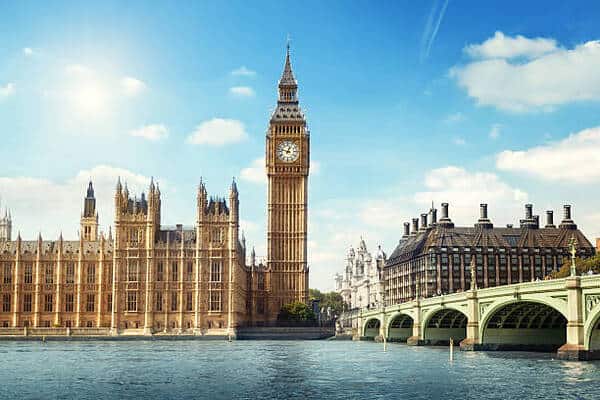
Big Ben and the Houses of Parliament have secured first place in a new ranking of the United Kingdom’s most beautiful views, confirming London’s power as a symbol of Britain. Thirty-eight per cent of the 2,000 people surveyed selected the Westminster scene, praising its recognisable outline, historic character and postcard-ready position beside the River Thames. Tower Bridge followed in second place, while the Giant’s Causeway in Northern Ireland became the highest-ranked natural landscape.
The results reveal more than a preference for famous landmarks. Nearly half of respondents said they had travelled somewhere mainly after seeing photographs or videos online, with social media emerging as the leading source of inspiration. The effect was particularly pronounced among younger Britons, suggesting that digital imagery increasingly shapes destination discovery, route planning and booking decisions.
Commissioned by Samsung ahead of its July 2026 Galaxy Unpacked event in London, the research also explored how travellers photograph crowded attractions. It connects heritage, scenery, mobile technology and tourism marketing around one clear trend: destinations that look powerful on screen can gain an advantage in the battle for attention. Nevertheless, this remains a commercially commissioned consumer poll, rather than an official or scientific assessment of British landscape quality.
London’s instantly recognisable skyline commands the ranking
The winning Westminster view combines architecture, history, ceremony and riverside setting. Big Ben, the familiar name associated with the Great Clock and its bell, rises above the Palace of Westminster beside the Thames. Travellers can explore the landmark through official UK Parliament tours, although ticket availability and access requirements should be checked before travelling.
Nearby Tower Bridge placed second. Its twin towers, high-level walkways and lifting bascules create an unmistakable silhouette, while its role as a working river crossing adds movement to the scene. Both landmarks benefit from strong transport links and varied viewing angles.
Their success explains why urban panoramas compete with mountains and coastlines. London’s sights are globally familiar before visitors arrive, appearing repeatedly in films, television, news and social feeds. The ranking therefore measures recognition as much as beauty.
Advertisement
Advertisement
Giant’s Causeway leads Britain’s remarkable natural attractions
The Giant’s Causeway placed third, supported by 21 per cent of respondents and becoming the survey’s highest natural attraction. Its basalt columns, Atlantic setting and legendary associations give it geological and cultural force. The repeating stone forms also create strong photographic lines, especially as weather and sea conditions change.
Scotland and Cornwall followed. Arthur’s Seat in Edinburgh ranked fourth with 13 per cent, offering broad city and regional views from Holyrood Park. St Michael’s Mount in Cornwall placed fifth with 12 per cent, combining a tidal island, castle, harbour and changing access across the water.
Advertisement
Advertisement
These destinations show that a memorable outlook often begins with a journey. Visitors climb, follow a coastal path, cross a causeway or monitor the tide. That physical approach creates anticipation and gives the final view greater emotional weight than an image reached without effort.
England’s coast and countryside deliver dramatic scenery
Durdle Door in Dorset, Cheddar Gorge in Somerset and Glencoe in Scotland all secured prominent positions. Each offers a different expression of geological drama. Durdle Door frames the sea through a limestone arch. Cheddar Gorge surrounds visitors with cliffs, caves and elevated routes. Glencoe delivers a vast mountain landscape shaped by weather, history and scale.
The Seven Sisters Country Park in East Sussex completed the leading coastal group. Its white cliffs and open downland remain highly photogenic, but they also require caution.
This part of the ranking carries a practical message. Famous landscapes are not controlled studios. Cliffs, mountain paths, tides and sudden weather changes create real hazards. Visitors should follow local advice, use suitable routes and avoid unsafe positions for photographs. The best image is one captured without damaging the site, obstructing others or placing anyone at risk.
Advertisement
Advertisement
Britain’s complete top twenty reveals extraordinary visual range
The published top twenty spans London, Welsh architecture, Scottish mountain water, English caves and prehistoric stone circles:
- Big Ben and the Houses of Parliament, London
- Tower Bridge, London
- Giant’s Causeway, Northern Ireland
- Arthur’s Seat, Edinburgh
- St Michael’s Mount, Cornwall
- Durdle Door, Dorset
- Cheddar Gorge, Somerset
- Glencoe, Scotland
- Seven Sisters Cliffs, East Sussex
- Royal Observatory, Greenwich Park, London
- Portmeirion, Wales
- Sky Garden, London
- Buttermere, Lake District
- Richmond Hill, London
- Primrose Hill, London
- Fairy Pools, Isle of Skye
- Mam Tor, Peak District
- Castlerigg Stone Circle, Lake District
- The Ridgeway, Essex
- White Scar Cave, North Yorkshire
Travellers can research entries through the official Royal Observatory, Portmeirion, Sky Garden and Buttermere Valley pages. One label needs caution: “The Ridgeway, Essex” is ambiguous and should be verified before itinerary publication.
Social media is turning attractive images into real journeys
The ranking’s most important tourism finding concerns behaviour rather than beauty. Forty-nine per cent of respondents said they had travelled somewhere after seeing photographs or videos online. Among them, 64 per cent identified social media as the platform most likely to inspire the trip.
The generational split was clear. Eighty per cent of younger Britons had visited a place after seeing it online, compared with 25 per cent of Baby Boomers. Younger travellers were also more than four times as likely to seek famous city skylines, at 25 per cent against six per cent.
These figures show how quickly inspiration becomes an itinerary. A short video may introduce a destination, demonstrate the experience and create urgency within seconds. Users can then save the post, inspect maps and compare transport. For tourism organisations, attractive content must carry practical information about access, crowding, public transport, safety and local behaviour, not merely a perfect image.
Photography technology is reshaping destination expectations
The survey also asked what travellers want when editing photographs from popular places. Twenty-eight per cent said removing people from backgrounds would be most useful, while 24 per cent prioritised removing unwanted objects. The answers reflect a familiar problem: the uncluttered view seen in promotional material may be difficult to reproduce at a busy attraction.
Advertisement
Advertisement
Samsung has confirmed that its Galaxy Unpacked event will take place in London on 22 July 2026. Its official Galaxy Z Fold7 information describes Photo Assist and side-by-side editing tools, making the commercial context of the research clear.
The wider issue extends beyond one device. Computational photography now shapes expectations before, during and after a journey. Editing can improve composition, yet excessive alteration can misrepresent crowd levels, weather or accessibility. Publishers should distinguish reasonable enhancement from imagery that creates a materially false impression.
Lesser-known viewpoints could receive the greatest tourism boost
The lower half of the list could deliver the greatest promotional benefit because it introduces less universally recognised locations. The Fairy Pools combine clear mountain water with the Cuillin backdrop. Mam Tor offers an accessible route towards a dramatic Peak District panorama. Castlerigg Stone Circle places prehistoric heritage within a sweeping Lake District setting.
These entries broaden the meaning of a view. It may be a skyline, summit, tidal island, cave, historic monument or protected riverside outlook. That diversity creates opportunities for accommodation providers, guides, transport operators and independent businesses outside the largest cities.
Popularity, however, must be managed. Narrow roads, limited parking, fragile paths and seasonal weather can quickly turn online visibility into local pressure. Destinations can respond by promoting longer stays, quieter periods, guided visits, public transport and alternative viewpoints that distribute visitors more evenly.
Travellers should treat the ranking as an inspirational starting point
For travellers, the ranking works best as a starting point rather than a final verdict. Beauty remains subjective, and every view changes with light, season, weather, access and crowd levels. A lower-ranked landscape may become the highlight of a journey when visited at the right moment, while a famous landmark can disappoint when approached without planning.
Advertisement
Advertisement
Official information should guide the trip. The protected vista from Richmond Hill, the skyline from Primrose Hill and the lake circuit around Buttermere each involve different transport, terrain and access considerations.
Travellers should also look beyond the single photograph. A Westminster visit can include Parliament and the Thames. A Causeway journey can support a wider Northern Ireland itinerary. A Lake District viewpoint can lead to slower exploration. The strongest trip turns visual curiosity into a deeper connection with place.
A camera-age portrait of the United Kingdom
Big Ben’s victory reflects more than affection for one landmark. It shows how Britain presents itself through architecture, geology, hills, mountain water and protected viewpoints. London leads the ranking, but the list reaches across England, Scotland, Wales and Northern Ireland.
The poll captures a change in travel culture. People discover places through screens, judge them through images and arrive with a photograph already imagined. That shift can generate demand, yet it may also concentrate visitors and create unrealistic expectations.
The ranking’s value lies in its breadth. It encourages people to look beyond one capital-city skyline and recognise the many forms a memorable British view can take. With guidance, planning and respect for landscapes, the search for a picture can become the beginning of a richer journey rather than its only purpose.
Advertisement
Advertisement