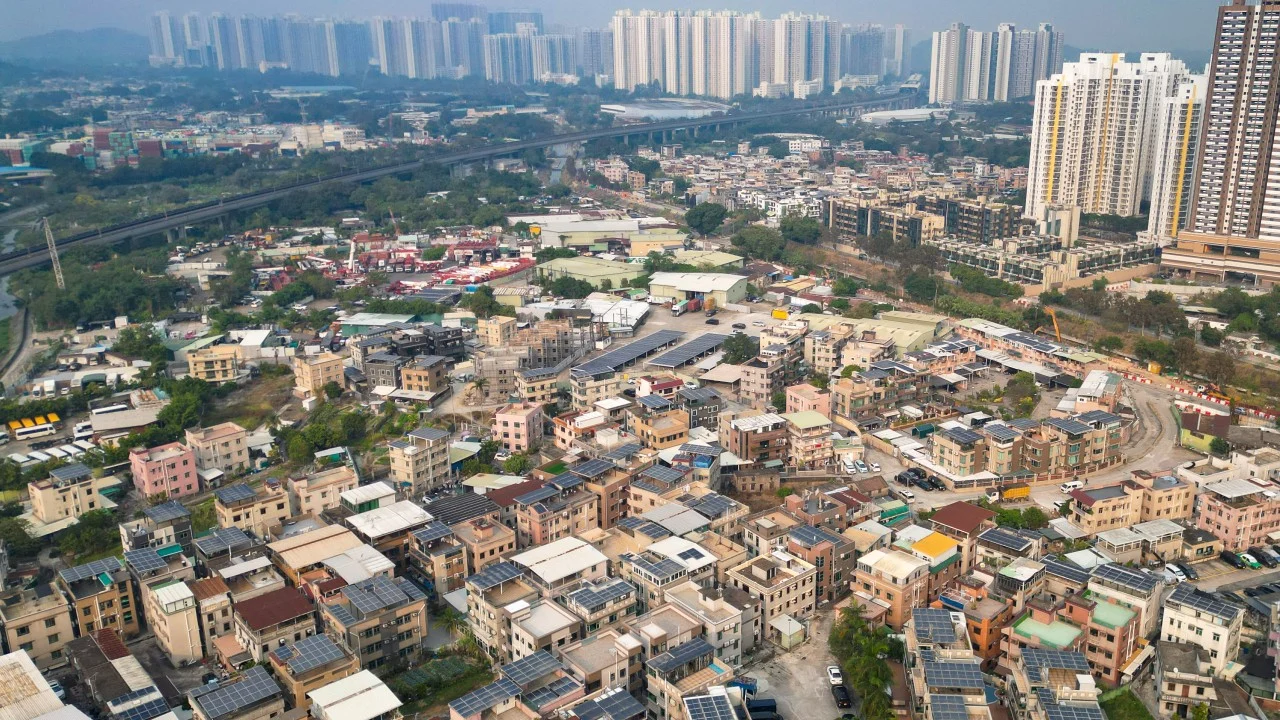
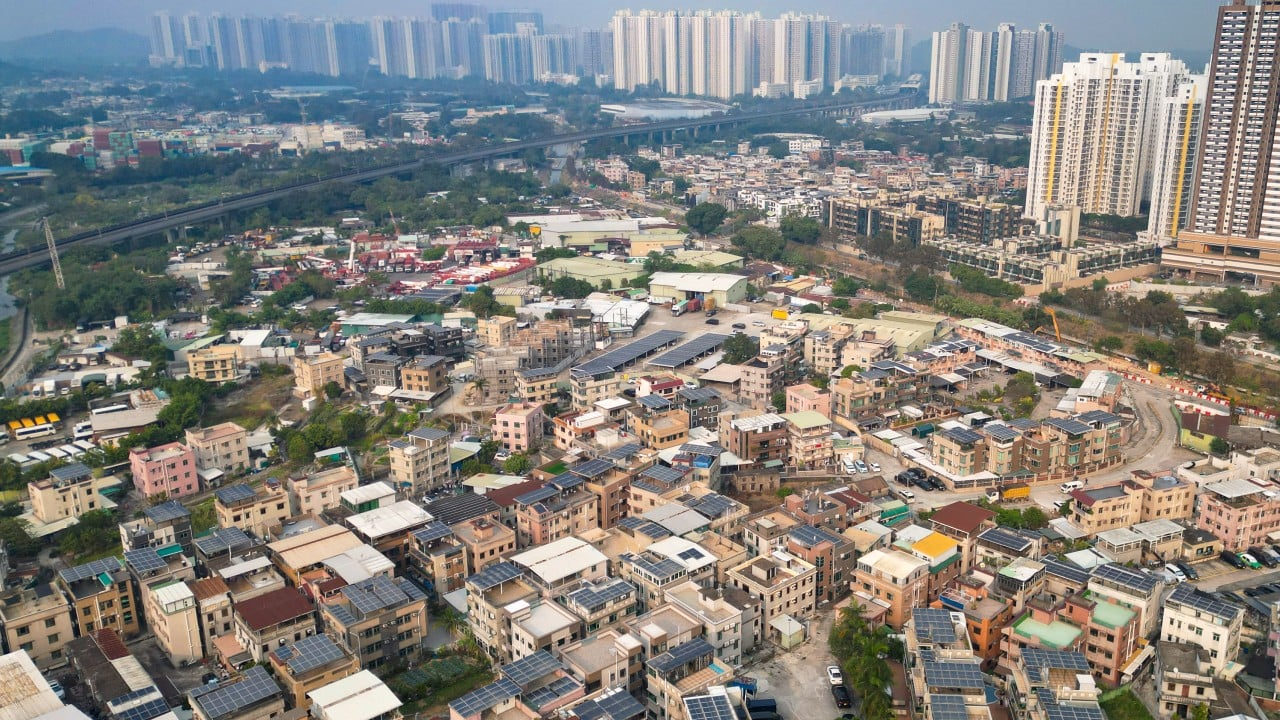
More than a decade ago, I argued that Hung Shui Kiu should be conceived as the “northwest stronghold” of Hong Kong, a geographic centre of the New Territories and a hinge point between Hong Kong and Shenzhen. Today, that vision is beginning to materialise. Hung Shui Kiu is no longer just a dot on the planning map; it is emerging as a core node of the Northern Metropolis and a testing ground for institutional innovation and industrial policy.
The government’s embrace of an industry-first strategy marks a decisive break from the old formula of “housing first, jobs later”. By prioritising industrial clusters in Hung Shui Kiu, policymakers are attempting to anchor population growth and community development in a more sustainable cycle. This is precisely the kind of paradigm shift Hong Kong’s urban planning has long needed.
Hung Shui Kiu’s location is its greatest asset. Nestled in the northwest New Territories, it sits just five minutes from Shenzhen Bay Port. Once the Hong Kong-Shenzhen Western Rail Link opens, the journey to the Qianhai cooperation zone should take just 15 minutes.
This cross-border connectivity positions Hung Shui Kiu as a gateway to the Greater Bay Area. It can absorb Shenzhen’s spillovers of innovation and finance while exporting Hong Kong’s strengths in professional services and education. Its proximity to the Hong Kong-Zhuhai-Macau Bridge and the Tuen Mun-Chek Lap Kok tunnel further cements its role as a logistics and transport hub. In short, Hung Shui Kiu is strategically placed to become the beating heart of the Northern Metropolis.
The virtue of industry-first planning is that it avoids the fate of past new towns, where housing was built without jobs, leaving residents to commute long distances and communities devoid of vitality. Hung Shui Kiu’s model is the reverse: attract innovation, logistics, professional services and emerging sectors such as the low-altitude economy, then layer in education and community facilities.
This creates a self-reinforcing ecosystem: industries draw talent, talent attracts schools, schools nurture communities. The result is a virtuous cycle of work-life-community integration rather than the sterile dormitory towns of the past.
Visited 5 times, 1 visit(s) today