Published on
February 28, 2026

Image generated with Ai
In light of increased safety risks, security issues, and ongoing protests, Canada has released a new travel advisory for Bahrain, Morocco, Egypt, China, Italy, Brazil, the United Kingdom, and other countries, advising residents to travel with extra caution. This warning comes as terrorism and civil unrest are becoming more likely in major international locations, and tensions have escalated in the Middle East and other regions. Travelers must be alert and knowledgeable when navigating these unpredictable environments because these countries are dealing with a variety of security issues, such as terrorism, political instability, and violent protests.
Canada has issued a new travel advisory urging citizens to exercise a high degree of caution when traveling to Bahrain, Morocco, Egypt, China, Italy, Brazil, the United Kingdom, and several other destinations due to escalating safety threats, security concerns, and ongoing demonstrations. With tensions in the Middle East, rising terrorism risks in tourist hotspots, and political unrest, Canada’s advisory comes as a timely reminder for international travellers to stay vigilant and informed.
Bahrain: Travel Advisory Amid Regional Tensions
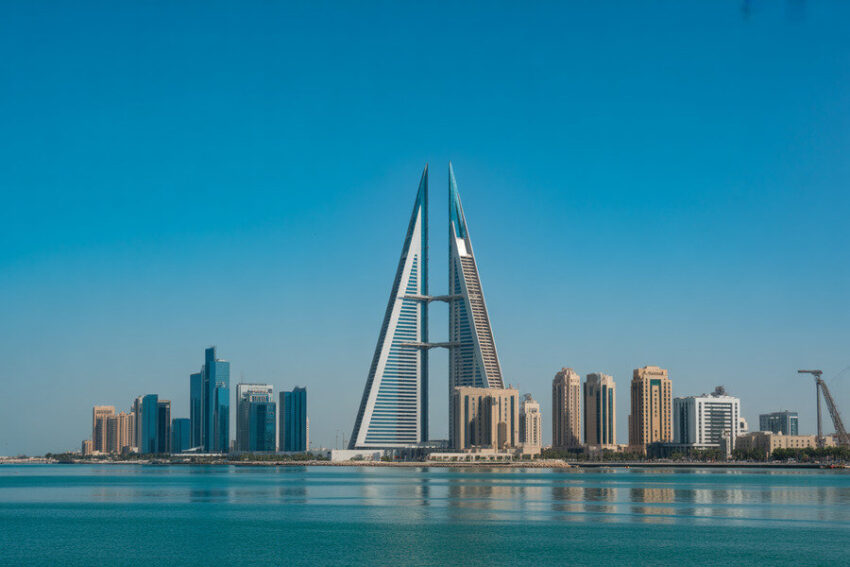
Bahrain, a key hub in the Gulf region, has seen heightened tensions due to the ongoing political instability in the Middle East. The country is facing increased demonstrations, security threats, and the possibility of terrorist attacks. The Canadian government advises travellers to be extra cautious, particularly in public places and near government buildings, places of worship, and transport hubs.
Bahrain has witnessed several public protests, some of which have turned violent. These protests are most likely to occur in areas like Sitra, Karbabad, and Adliya, and can disrupt traffic and transportation networks. As demonstrations can escalate quickly, it’s advised that travellers avoid any gatherings and follow the instructions of local authorities. Increased security measures are also in place, particularly in Manama, the capital, where there are risks to Western interests.
Women travelling to Bahrain should be aware of the potential for verbal abuse and harassment. The country’s legal framework also imposes harsh penalties for those involved in extramarital relationships, so women should exercise caution when reporting incidents. Additionally, the possibility of terrorist attacks targeting tourist spots and restaurants should not be underestimated.
Morocco: Terrorism Threats and Unstable Border Regions
In Morocco, Canadians are urged to exercise caution due to the threat of terrorism, particularly in popular tourist destinations like Marrakesh and Casablanca. While the country remains a top tourist destination, ongoing instability in the Western Sahara region poses significant risks. The government has marked several areas, particularly within 30km of the militarized zone of the Berm, as unsafe for travel due to the presence of armed groups and unexploded landmines.
Advertisement
Advertisement
The border area between Morocco and Algeria also remains a high-risk zone due to smuggling and terrorist activity. Travellers are advised to avoid these regions entirely. While Morocco’s urban areas remain relatively safe for visitors, heightened vigilance is necessary to avoid petty crimes such as pickpocketing, especially in crowded areas like medinas, markets, and tourist sites.
Terrorist attacks have targeted both foreign nationals and Moroccan citizens, particularly in rural areas. Visitors should avoid hiking alone in remote regions, especially near the Algerian border, where kidnapping risks are higher. Demonstrations can also occur in major cities, which may result in violent clashes.
Advertisement
Advertisement
Egypt: Travel Warnings for Sinai and Border Areas
Egypt remains a high-risk destination due to terrorism, civil unrest, and ongoing military operations. The Canadian government warns against all non-essential travel to the northern Sinai region, where terrorist attacks and military clashes are frequent. This area is a hotspot for extremists targeting Egyptian security forces, and the risk extends to surrounding areas, including Port Said and Ismailia.
Further security concerns exist along Egypt’s border with Libya, where smuggling and militant activities are rampant. The Western Desert and areas near the Libyan border should be avoided entirely due to the presence of armed groups and frequent military operations. Travelers are advised to avoid these regions, which have limited access to essential services, including medical care and fuel.
In the southern regions, including Sharm el-Sheikh and the famous sites along the Nile, such as Luxor and Aswan, risks of terrorist attacks remain. Although these areas are generally safe for tourists, occasional attacks have occurred, making it essential to stay updated on local conditions.
Demonstrations in Cairo and other large cities remain a concern, especially during politically significant dates like the anniversary of the 2011 Egyptian revolution. These gatherings can quickly turn violent, and foreign nationals are urged to avoid participation.
China: Heightened Security and Ethnic Tensions in Xinjiang and Tibet
Canada’s advisory for China highlights the ongoing tensions in regions such as Xinjiang and Tibet, where travellers face increased scrutiny and surveillance. Ethnic and religious minorities in Xinjiang, especially the Uyghur population, are subjected to extrajudicial detention, with reports of forced labor camps and restrictions on basic freedoms. The situation in this region is volatile, and foreigners with ties to ethnic minorities could be at risk of arbitrary detention.
In Tibet, travel is restricted, and permits are required for foreigners. Local authorities frequently impose curfews and restrictions, particularly around sensitive dates such as religious holidays. Non-authorized gatherings are not allowed, and foreign nationals may face detention for simply being in the wrong place at the wrong time.
Petty crime, including pickpocketing and fraud, is prevalent in tourist areas across China. Foreigners should be cautious of scams, especially in major cities like Beijing and Shanghai, where criminals often target tourists with distraction tactics. The rise in cybercrime is another concern, as public Wi-Fi networks are often used by fraudsters to steal personal data.
Italy: Terrorism and Petty Crime During the Winter Games
Italy, one of Europe’s top tourist destinations, continues to face a moderate risk of terrorism, with high-profile attacks taking place in several cities across the continent. The Canadian government has raised concerns regarding potential terrorist activities in crowded places such as tourist attractions, restaurants, and public transportation hubs.
The upcoming Milano Cortina Paralympic Winter Games, scheduled for March 2026, will see an influx of international visitors. This event may attract demonstrations or protests, which could lead to disruptions in transport and security checks. Travellers attending the Games should be prepared for large crowds and increased security presence, particularly around event centers.
Pickpocketing remains a prevalent issue, especially in popular tourist areas and public transport systems. It is recommended to secure personal belongings and avoid wearing expensive jewelry or carrying large sums of money. Furthermore, vehicle theft is a risk, particularly in tourist hotspots and busy areas such as the Amalfi Coast.
Brazil: High Crime Rates and Risky Border Areas
Brazil remains a high-risk destination due to escalating crime rates, particularly in urban areas. Cities like Rio de Janeiro and São Paulo are notorious for violent crime, including armed robberies and carjackings. The Canadian government advises against travel to certain areas, such as Complexo da Maré and Complexo da Penha in Rio, due to gang violence and frequent police operations.
Criminal organizations operate along Brazil’s borders with Argentina, Bolivia, Colombia, and Venezuela, making these regions dangerous for travel. The government recommends avoiding border areas where smuggling and armed groups are active. Even in major cities, tourists are often targeted by criminals, especially in busy areas like beaches, markets, and shopping malls.
Public safety concerns also extend to transportation, with frequent reports of theft from vehicles and public transit. Visitors are urged to remain vigilant and avoid showing signs of wealth while in public places.
United Kingdom: Terrorism and Public Unrest
The United Kingdom continues to face a threat from terrorism, particularly in urban areas. Past attacks, including vehicle and knife assaults, have targeted public places like tourist attractions and transportation hubs. The UK government has maintained a “substantial” terrorism threat level, signaling an ongoing risk to public safety.
Large gatherings, such as protests and demonstrations, are common and can escalate into violent clashes. These events often disrupt transportation and public services. Travelers should stay informed of local news and avoid areas where large crowds are gathering. The rise in cybercrime is also a concern, with increasing reports of online scams and credit card fraud targeting tourists.
Petty crime, including pickpocketing, is common in crowded areas such as London’s Piccadilly Circus and Trafalgar Square. Visitors are advised to keep valuables secure and be cautious of distractions used by thieves.
As global security risks continue to rise, Canada’s new travel advisory urges heightened awareness for travellers heading to Bahrain, Morocco, Egypt, China, Italy, Brazil, the United Kingdom, and beyond. Whether it’s navigating demonstrations in Bahrain, avoiding terrorist hotspots in Morocco and Egypt, or staying vigilant in busy European cities, the key to safety lies in preparation, vigilance, and adherence to local guidelines. By following official advice and staying informed of rapidly evolving situations, travellers can mitigate risks and ensure a safe journey.
Amid growing safety risks, security concerns, and ongoing protests, Canada has issued a new travel advisory for Bahrain, Morocco, Egypt, China, Italy, Brazil, the United Kingdom, and other countries, advising citizens to be extra cautious. The increasing risks of political unrest, terrorism, and violent protests that are interfering with daily life in these nations are reflected in this advisory, which emphasizes how important it is for travelers to stay alert and knowledgeable.
Stay safe, stay informed, and make the most of your travels by following the updated guidance from official sources.