Published on
February 28, 2026

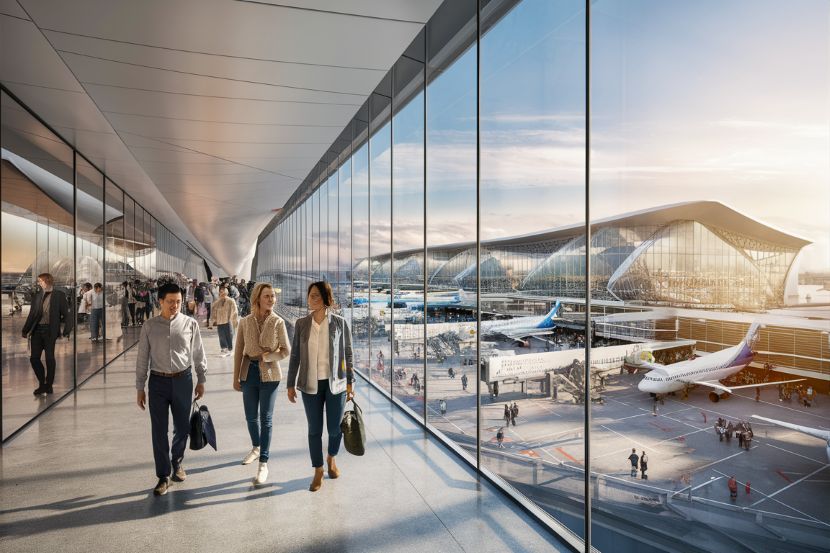
Image generated with Ai
Hong Kong International Airport (HKIA) is set to unveil its new Terminal 2 (T2) on May 27, 2026, marking a significant milestone in the region’s aviation infrastructure. As the Greater Bay Area (GBA) continues to emerge as a major economic and tourism hub, this move is expected to enhance air connectivity, offering travelers seamless access to more regional destinations. With the introduction of T2, HKIA aims to better serve passengers flying on short-haul and regional routes, creating an upgraded travel experience while managing increasing traffic at one of the world’s busiest airports.
T2 will be home to around 15 airlines, including prominent carriers like Hong Kong Airlines, HK Express, and Greater Bay Airlines, all of which will transition operations to the new terminal. This transition will help distribute passenger flow more efficiently across the airport and contribute to smoother, more organized travel experiences for both business and leisure travelers. As Hong Kong’s aviation scene continues to grow, T2 will play a crucial role in shaping the city’s position as a global travel hub.
Key Highlights of Hong Kong’s New Terminal 2
HKIA’s Terminal 2 is designed to accommodate a variety of functions, with a clear focus on improving passenger convenience and regional air connectivity. The terminal is expected to handle up to 15 million passengers by the end of 2026. The airlines primarily operating from T2 will focus on domestic and regional routes, allowing passengers from across the Greater Bay Area, which includes major cities like Shenzhen and Guangzhou, to connect with international destinations more efficiently.
With the continued expansion of Hong Kong’s aviation network, T2’s opening is perfectly timed to meet the increasing demand for air travel, both from business and leisure perspectives. This will contribute to Hong Kong’s competitive advantage within the broader Asia-Pacific travel market, ensuring that the region’s infrastructure can support its economic and tourism ambitions.
T2’s Comprehensive Facilities for Tourists and Travelers
The new terminal will feature state-of-the-art passenger facilities, including lounges, retail outlets, dining options, and advanced services tailored to the needs of international and regional travelers. Travelers heading to popular Greater Bay Area destinations such as Shenzhen and Macau will enjoy quicker connections and more frequent flights. The seamless travel experience extends to the integration of the Airport Express, allowing passengers easy access to the terminal from the city’s core. For those arriving by car, taxi, or coach, a dedicated drop-off zone ensures a smooth and efficient entry into T2’s expanded landside zone.
One of the exciting developments at T2 is the Coach Hall, which opened in September 2025 and already provides a vital service for cross-boundary coaches, limousines, and tour buses. With services to more than 110 destinations within the Greater Bay Area, this facility is designed to cater to the needs of both international tourists and regional travelers, making it a crucial component of Hong Kong’s integrated transport system.
Advertisement
Advertisement
Travel Tips: Making the Most of Hong Kong’s New Terminal
1. Seamless Travel to Mainland China and Macau
For travelers heading to mainland China or Macau, the new T2 offers faster connections and more streamlined procedures, ensuring smoother transfers and minimal delays. Tourists can plan to take advantage of the cross-boundary coach services, which are linked directly to key locations within the GBA.
2. Prepare for Future Expansions
Though T2 will fully open in May 2026, the airside concourse and additional gates will not be available until 2027. As a result, it’s important for travelers to stay updated on the specific amenities and flight services available once the terminal is fully operational. Keep an eye on the airport’s website for real-time updates.
Advertisement
Advertisement
3. Plan Your Ground Transportation
While the Airport Express provides a quick route into the city, travelers should also familiarize themselves with available taxis and limousine services at T2. These options are ideal for those looking to avoid busy public transport during peak travel times.
How T2 Will Elevate the Hong Kong Travel Experience
The arrival of Terminal 2 at Hong Kong International Airport is a transformative development for Hong Kong tourism, further establishing the city as a leader in aviation and international business. As the city expands its reach into the broader Greater Bay Area, the new terminal will not only serve as a hub for regional flights but also enhance the overall travel experience for tourists heading to Hong Kong.
HKIA is already known for its extensive range of facilities for international passengers. However, T2 will bring additional capacity and upgraded services, aligning perfectly with Hong Kong’s tourism goals and the ongoing development of the Greater Bay Area as an international destination.
This expansion of facilities is expected to contribute to the tourism boom in Hong Kong, especially in the context of its growing appeal among business travelers. As more visitors are attracted to the city’s vibrant economy and cultural offerings, T2 will ensure that Hong Kong remains well-equipped to handle the surge in travelers looking to explore the region.
What Travelers Can Expect from the New T2
Hong Kong’s new Terminal 2 is expected to be a game-changer for both the region’s aviation infrastructure and the broader tourism landscape. With its focus on seamless passenger flow, enhanced connectivity to the Greater Bay Area, and modern amenities, T2 will play a pivotal role in supporting Hong Kong’s long-term tourism strategy. Whether you’re flying in for a short visit or planning an extended stay, T2 promises to offer a world-class airport experience that keeps pace with the demands of modern travel.
As more airlines shift operations to T2 in the coming months, travelers can expect faster, more efficient services that are ideally positioned to meet the needs of the region’s growing tourism and business sectors. Whether visiting for business, leisure, or a combination of both, travelers will find Hong Kong an increasingly connected and dynamic destination.