The new food pyramid has turned things upside down.
Literally speaking, the image representing the newest Dietary Guidelines for Americans is itself flipped from the pyramid of the past. But the US Department of Health and Human Services and the US Department of Agriculture also made some significant changes to the more recent guidelines, depicted not by the food pyramid but by the circular MyPlate.
And how do the new guidelines compare with the frequently lauded Mediterranean diet? That lauded meal plan also offers differing guidance and points of emphasis.
With so much nuanced and conflicting advice among those three nutrition plans, it can be hard to know what to eat on any particular day.
Dietitian Natalie Mokari, who works with clients in her North Carolina practice to help them eat for better nutrition, built a day of eating under each of the three approaches –– the new food pyramid, MyPlate and the Mediterranean diet –– so you can see the differences, the similarities and what might work for you.

Each plan takes a little bit different of a shape when it comes to carbohydrates.
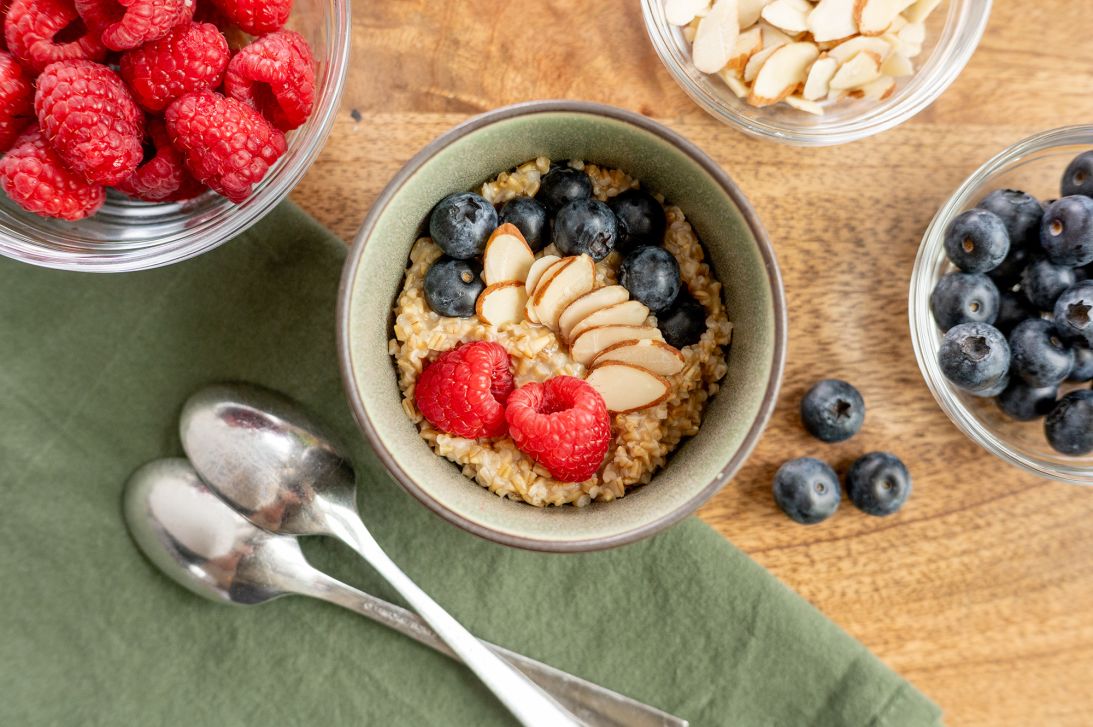
The Mediterranean diet emphasizes whole grains like brown rice, whole-grain breads and pastas, quinoa and oats, which is why this breakfast is based in steel-cut oats, Mokari said.
The Mediterranean diet can be tricky for people who are watching their carbs, but it can be adjusted to work for the individual, she added.
MyPlate recommended that carbohydrates make up a little more than a quarter of the plate. That plate represents a full day of eating, not every meal, Mokari said. That’s why breakfast is low-fat yogurt and fruit with granola added in.


The new food pyramid emphasizes more carbohydrates from fruits and vegetables, and less from grains, especially refined grains. The carbohydrates from this breakfast are coming from the whole-grain toast and fruit.
“There’s a little confusion that it’s maybe a low-carb diet, but it’s really not,” Mokari said.

The new foods pyramid calls for three servings of vegetables and two of fruit in a day.
The Mediterranean diet stresses fruits, vegetables, whole grains and healthy fats at every meal, making it very high in fiber, Mokari said. A lunch for this plan might be a vegetable soup with cannellini beans and whole-grain toast with hummus, tomato and feta cheese.
MyPlate also recommends a lot of fruits and vegetables: about 2 to 4 cups of vegetables and 1½ to 2 cups of fruit a day for adults. That averages out to two to four servings of vegetables and 1½ to two of fruit, Mokari said.


What you don’t see in these plates is very much added sugar or processed foods. There’s nothing new about guidance to cut back: All the meal plans call for reducing both.
“There’s not going to be a single dietitian that’s not going to tell you to eat more whole foods. I think that’s a great guidance,” Mokari said.
The new food pyramid is more aggressive about sugar and processed foods than previous guidance, however, recommending no added sugar for kids ages 5 to 10. Unless you are very careful and have a big budget, that might be hard, since added sugar is in lots of packaged foods, including many spaghetti sauces, peanut butters and snack foods.
“It’s just not realistic,” Mokari said. “I think it’s great to reduce [added sugars], but I think saying none is really not sustainable.”
Dairy is one of the clearest differences among the meal plans.
The Mediterranean diet limits dairy (along with poultry and eggs) to one serving a day.
The new food pyramid emphasizes full-fat dairy, Mokari said. For this meal plan, cheese is featured in the omelet at breakfast, in the salad for lunch and paired with grapes for snack.
MyPlate advised sticking to low-fat dairy, as seen in the low-fat yogurt and the glass of low-fat milk with dinner.

So what kind of dairy should you have? There are healthful ways to incorporate any of them. For people who like to drink a glass or two of milk a day and may have cardiovascular concerns, lower-fat dairy may be a better option. But if you’re adding a bit to your coffee in the morning, whole milk is fine, she said.
Milk can be a good source of protein and calcium if you aren’t getting it elsewhere in your diet, but usually, water is a great beverage to have alongside your meal and the best way to hydrate, Mokari said.
Instead of full-fat dairy, the MyPlate and Mediterranean meals get their fats primarily from olive oil, avocado and nut butter.

Proteins may look a little different across the meal plans as well.
The Mediterranean diet has nuts, beans and fish as primary sources of protein, and MyPlate focuses on lean meats as well. That is why these sample meal plans mention salmon and chicken, respectively.
The new food pyramid, which recommends 1.2 to 1.6 grams per kilogram of body weight per day, nearly doubles the recommended amount of protein in previous guidance, Mokari said. The kinds of protein emphasized are also different.


A cut of steak is featured prominently in the graphic for the new food pyramid. Along with the full-fat dairy, beef tallow and butter, it may be hard to incorporate these foods and follow the continued recommendation to keep less than 10% of your calories coming from saturated fats, Mokari said.
A diet high in full-fat dairy and meats with a lot of saturated fat is not recommended for people with a history of or risk for cardiovascular disease, she said.
When thinking about how to advise clients, Mokari is very aware that what works for someone’s health and lifestyle is going to be individual to them. Rather than one guideline, she likes to look at the overarching principles of healthy eating.
She thinks about the big five elements of a balanced diet: protein, carbohydrates, healthy fats, fruits and vegetables. The priority should be whole foods. Frozen and canned versions may be the easiest method for some, she said.

Generally speaking, she prefers lean proteins, fibrous carbohydrates and healthy fats like olive or avocado oil, avocados and nut butters.
Using her guidance, there is room in most diets for some refined carbohydrates like pastas, white rice and breads, she added. Added sugars and processed foods should be reduced as much as is sustainable for individuals and families.
“It’s about balance,” Mokari said.
Get inspired by a weekly roundup on living well, made simple. Sign up for CNN’s Life, But Better newsletter for information and tools designed to improve your well-being.