

When most people think about eating healthy, the first thing that comes to mind is cost. Fresh fruits, vegetables, lean meats, and organic products all seem expensive, and that idea alone can stop someone from even trying. But the truth isn’t that simple. Eating well isn’t always about buying the priciest items on the shelf. And yet, that perception has stuck for years, partly because of clever marketing and partly because many of us haven’t really looked at the bigger picture. People assume healthy equals expensive, processed equals cheap, and then just accept it as reality.A landmark 2013 meta-analysis of 27 studies across 10 countries found healthier foods cost modestly more: $0.29/serving for meats/proteins, but near-zero for grains/dairy; overall, top healthy diet patterns were $1.48/day ($1.50/2000 kcal) pricier than unhealthy ones. US-specific results mirrored this at $1.49/day extra.Apart from this awareness is a contributing factor. People often overlook affordable ways to eat well. The bigger myth is that healthy food is automatically expensive. With a little knowledge and some smart choices, it’s possible to eat well, save money, and avoid letting cost scare you away from better nutrition. In the 2013 study, the researchers found that the cost barrier is real but minor, not a deal-breaker for most budgets, especially with smart shopping. Policies favoring cheap processed foods widen gaps; building veggie infrastructure could flip it. High variety in results shows prices vary by location, but averages prove healthy eating is affordable.We spoke to Ms. Archana S, Chief Dietitian, KIMS Hospitals, Bengaluru and Dr. Karuna Chaturvedi, Head – Clinical Nutrition, Max Super Speciality Hospital, Noida about the economic reality of eating healthy.
Most people assume that healthy eating will always break the bank – but is this generally true?
This is a common misconception that is perceived, but it isn’t totally correct. Healthy eating does become a costly affair if it is equated with expensive foods such as superfoods, organic foods, and ‘health foods.’ The reality, however, is that a balanced meal can be achieved through simple and locally sourced foods like seasonal veggies and fruits, lentils, eggs, curd, which are often not expensive foods, especially if one compares it with junk foods and eating out, says Ms. Archana S.The notion that eating healthy is always expensive is a common perception, but it’s not entirely true. While some healthy foods can be pricey, it’s possible to eat well on a budget with some planning and smart choices, adds Dr. Karuna Chaturvedi.
How do income, location, and access to markets influence the ability of individuals to eat well?
Income levels and access to food items are other important factors. For example, individuals in some areas lack easy access to fresh produce, which may result in their consuming packaged food. Similarly, other factors such as transport and storage facilities are also taken into consideration. However, in all these cases, one can resort to smart swap options. For instance, choosing local produce, frozen vegetables, or affordable sources of protein can make a nutritious diet, suggests Ms. Archana S.
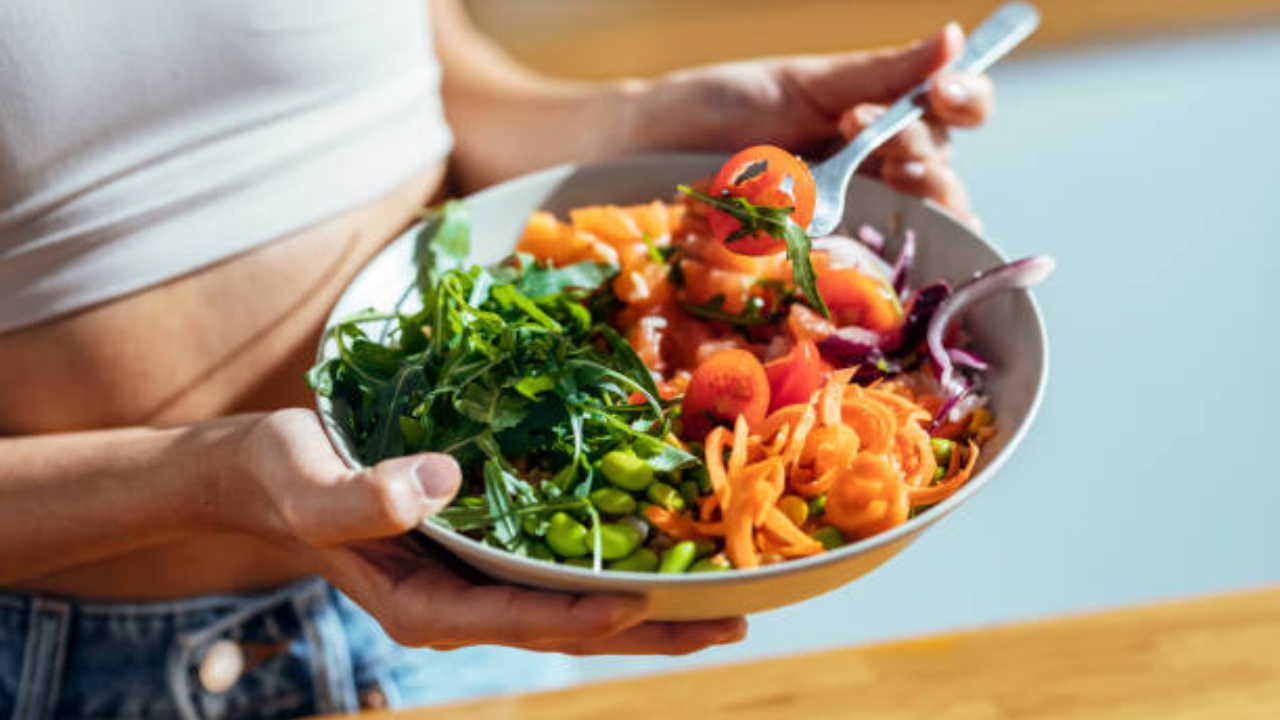
Adding to this Dr. Karuna says, lower-income households often struggle to afford nutritious food due to the higher costs of fresh produce and lean proteins. Urban areas tend to have more access to supermarkets with a wide range of options, whereas rural areas might rely on limited local markets.
Does eating a healthy, thrifty diet really prevent expensive health troubles from developing down the line?
“Yes,” says Ms. Archana S and added, “this ensures that the risk of lifestyle diseases, including diabetes, cardiovascular disease, obesity, and hypertension, is minimized. Such food habits may be considered a short-run cost in the budget, but they provide long-run savings in terms of reduced expenditure on healthcare and medication. In this respect, nutrition is a cost-effective form of preventive healthcare.”
Are fresh fruits and vegetables more expensive compared to their packaged or frozen versions, or is this just a case of not planning or preparing properly?
It’s really about planning and preparation, say the experts. “Fresh seasonal fruits and vegetables are usually readily available and relatively inexpensive. Processed foods may be cheaper upfront, but they can be much more expensive in the long run because more consumption of packaged food can worsen the health and make people sick. With some basic planning, bulk purchasing, and cooking fresh, healthy and wholesome food can be much cheaper,” suggests Dr. Archana.Few tips for eating healthy on a budget include the following points, says Dr. Karuna
- Planning meals and making a grocery list
- Sourcing products from the local market like fruits, vegetables, cereals, lentils, spices and herbs
- Shopping for seasonal produce
- Buying in bulk and cooking at home
- Choosing whole grains and beans
- Limiting processed and packaged foods
- Using herbs and spices for flavour instead of relying on salt and sugar
“Ultimately, eating healthy is a matter of prioritising your well-being and making informed choices. By adopting smart shopping habits and cooking methods, you can nourish your body without breaking the bank and reap the long-term benefits of a healthier life,” urges Dr. Karuna. Medical experts consulted This article includes expert inputs shared with TOI Health by:Ms. Archana S, Chief Dietitian, KIMS Hospitals, Bengaluru Dr. Karuna Chaturvedi, Head – Clinical Nutrition, Max Super Speciality Hospital, NoidaInputs were used to debunk myths around healthy eating.
