Published on
January 27, 2026
By: Paramita Sarkar

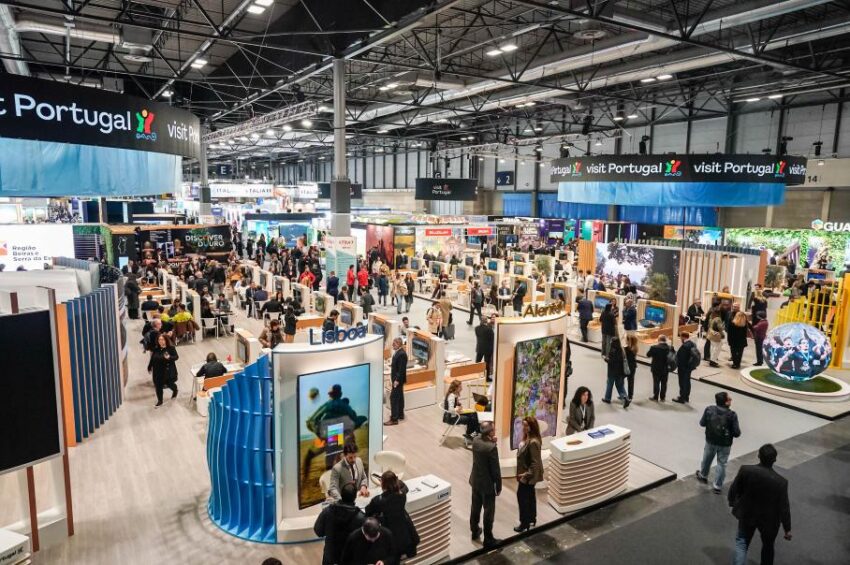
FITUR 2026, the International Tourism Trade Fair, closed its doors on a high note, drawing more than 255,000 visitors from Spain, Mexico, the United States, the United Kingdom, Canada, and 161 other countries. This year’s edition saw significant international participation, reinforcing FITUR’s role as one of the leading platforms for the global tourism industry. The event generated a remarkable €505 million in economic impact, highlighting its crucial contribution to Madrid’s economy and its global leadership in the tourism sector.
Held at IFEMA MADRID from January 21 to 25, 2026, FITUR 2026 brought together tourism professionals, government officials, and the general public for five days of networking, business opportunities, and cultural exchanges. The fair’s success was underpinned by a 12% increase in international attendance and an 11% rise in the number of international exhibitors compared to the previous year, making it a pivotal event in the recovery and growth of global tourism.
Who Was Involved in FITUR 2026?
The event attracted more than 10,000 companies from 161 countries, including 111 countries with official representation. FITUR 2026 was particularly notable for the participation of Mexico as the Partner Country, showcasing its vibrant tourism offerings and cultural heritage. The fair also saw strong attendance from key global tourism markets such as the United States, United Kingdom, and Canada, reflecting the fair’s international appeal and influence.
Advertisement
Advertisement
With over 70 institutional visits from ministers, regional presidents, and senior tourism officials from around the world, FITUR’s role as a strategic global forum was firmly established. These visits emphasized the fair’s importance in fostering international collaboration and dialogue within the tourism sector.
What Happened at FITUR 2026?
Advertisement
Advertisement
The event featured intense business activity, with more than 200 sessions and over 250 speakers at the Knowledge Hub, which was a major focus of FITUR’s professional days. Topics such as sustainable tourism, technological innovation, and inclusive travel were discussed, aligning with the fair’s commitment to addressing the future of the tourism industry.
FITUR’s specialized sections, such as FITUR 4all, FITUR Cruises, FITUR Woman, and FITUR Techy, also played a significant role in expanding the fair’s focus, ensuring that emerging trends and growth sectors were given ample attention. These segments highlighted the tourism industry’s increasing emphasis on sustainability, diversity, and digital transformation.
Advertisement
Advertisement
Why Is FITUR 2026 Important for Global Tourism?
FITUR 2026 demonstrated the strength of the global tourism sector, which continues to rebound strongly post-pandemic. With more than 1.5 billion international tourist arrivals worldwide in 2025, according to the United Nations World Tourism Organization (UNWTO), Spain’s role as a key destination for international tourists remains undisputed, with the country welcoming 97 million visitors last year.
The fair’s €505 million economic impact and the 3,753 jobs it helped maintain underscore its significant role in the tourism sector. FITUR serves as a business platform, a meeting point for professionals, and a hub for international collaboration, all of which contribute to its position as one of the most important tourism events globally.
When Did FITUR 2026 Take Place?
The 46th edition of FITUR took place from January 21 to January 25, 2026. The first three days were dedicated to professionals, offering a wide array of business opportunities, B2B meetings, and networking sessions. The general public attended over the weekend, with 100,000 visitors coming to explore the various offerings on display, making it a highly successful event in terms of both business and public engagement.
Where Was FITUR 2026 Held?
FITUR 2026 took place at IFEMA MADRID, one of Europe’s largest event spaces, which hosted nine exhibition halls showcasing tourism destinations, companies, and products. Madrid, as the host city, continued to solidify its reputation as a major hub for international tourism and trade events, further boosting its profile as a global tourism leader.
How Did FITUR 2026 Contribute to the Future of Tourism?
FITUR 2026 underscored the tourism industry’s ongoing transformation with its forward-thinking approach. The fair highlighted key themes such as the role of technology in travel, sustainable tourism, and inclusivity, addressing the growing demand for eco-friendly travel experiences. FITUR’s specialized sections, including FITUR Techy, FITUR Cruises, and FITUR Woman, focused on shaping the future of tourism by promoting innovation, gender equality, and accessibility.
The fair also saw new products and strategies being presented by tourism destinations and companies from around the world, further strengthening FITUR’s role as a key platform for knowledge sharing and industry advancements. FITUR’s commitment to these future-focused topics ensures that it remains relevant and essential to the global tourism sector’s development.
What’s Next for FITUR?
Looking ahead, IFEMA MADRID is already preparing for FITUR 2027, with Puerto Rico set to be the Partner Country. The success of FITUR 2026 has set a high bar for the next edition, and the fair’s continued growth and international significance promise to make it an even more critical event for global tourism professionals.
In conclusion, FITUR 2026 not only reaffirmed its leadership in the tourism industry but also demonstrated Madrid’s pivotal role in shaping the future of global travel. With record attendance, strong international participation, and an impressive economic impact, FITUR 2026 has once again proven itself as a key player in the recovery and growth of the global tourism sector.