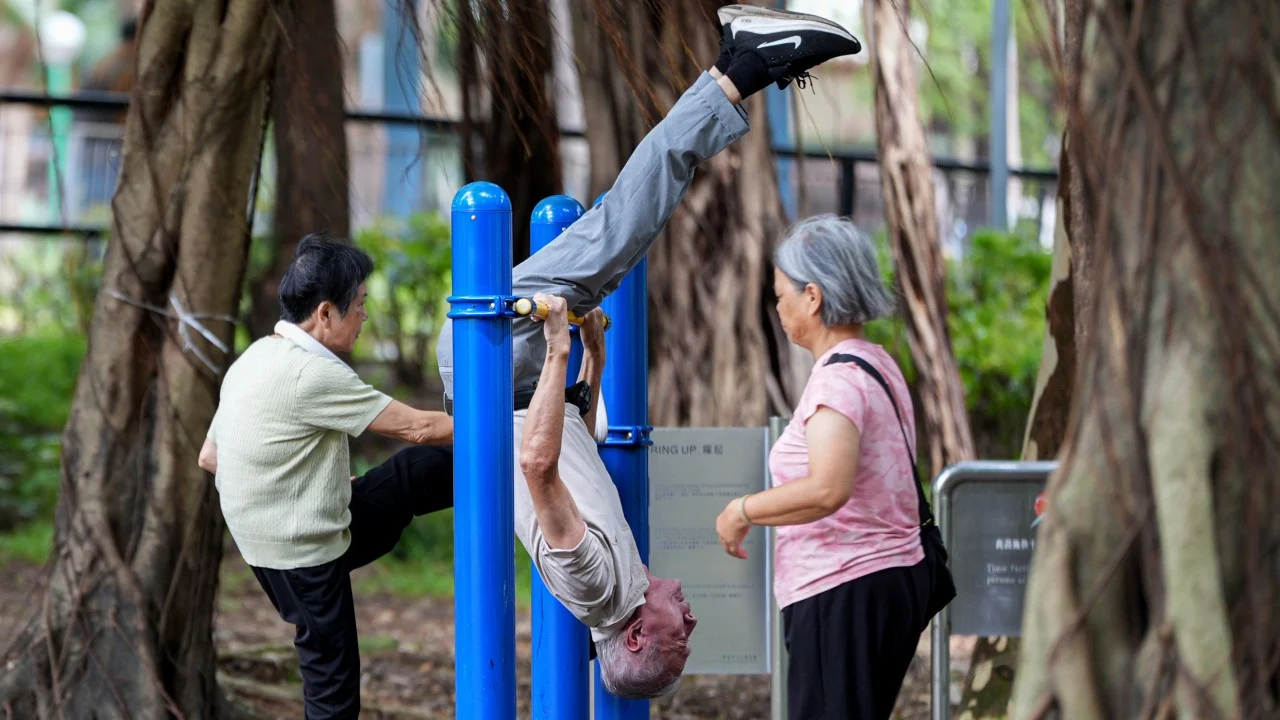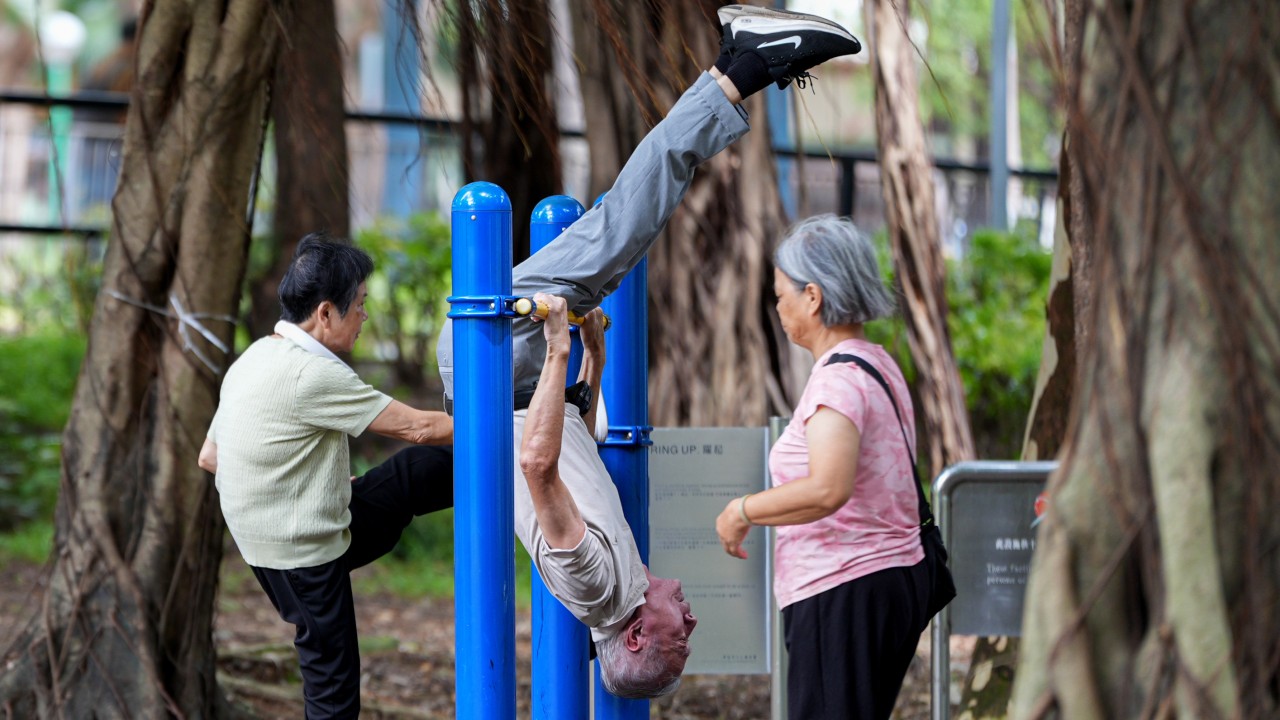
Looking back at 2025, the city made meaningful strides in supporting its retirees.
The government expanded the
Elderly Health Care Voucher and Community Care Service Voucher schemes, and invested HK$2 billion (US$256.47 million) in an elderly and rehabilitation technology fund. It also announced
30 measures for the silver economy and formed the Working Group on Ageing Society Strategies to improve cross-bureau coordination. These efforts helped launch the long-awaited Q-Mark Silver Scheme, promoting citywide quality standards for elderly services.
Community action also progressed. The JC JoyAge project, which combats late-life depression through a cross-sectoral and peer-support model, announced plans to expand its reach to the primary care level. Meanwhile, the Hong Kong Council of Social Service is advancing the formulation of a “Hong Kong Dementia Care Action Plan” through gerontechnology adoption and multi-stakeholder consultation, set for release this year.
These are promising developments. But more profound issues are arising. As
life expectancy in Hong Kong continues to climb, with women projected to surpass the 90-year mark by around 2030, so too does the risk of prolonged poor health.
Research by the Chinese University of Hong Kong shows the prevalence of mild neurocognitive disorder in Hong Kong rose from 5.8 per cent in 2005 to 21.8 per cent in 2023, while major neurocognitive disorders (dementia) increased from 5.4 per cent to 7.4 per cent in the same period.
That retirement in Hong Kong still too often leads to
isolation and decline reveals a critical disconnect in our approach. We remain stuck in passive crisis management, intervening only after a fall or diagnosis, rather than building the everyday infrastructure of belonging that prevents it.
Source link
Visited 2 times, 1 visit(s) today