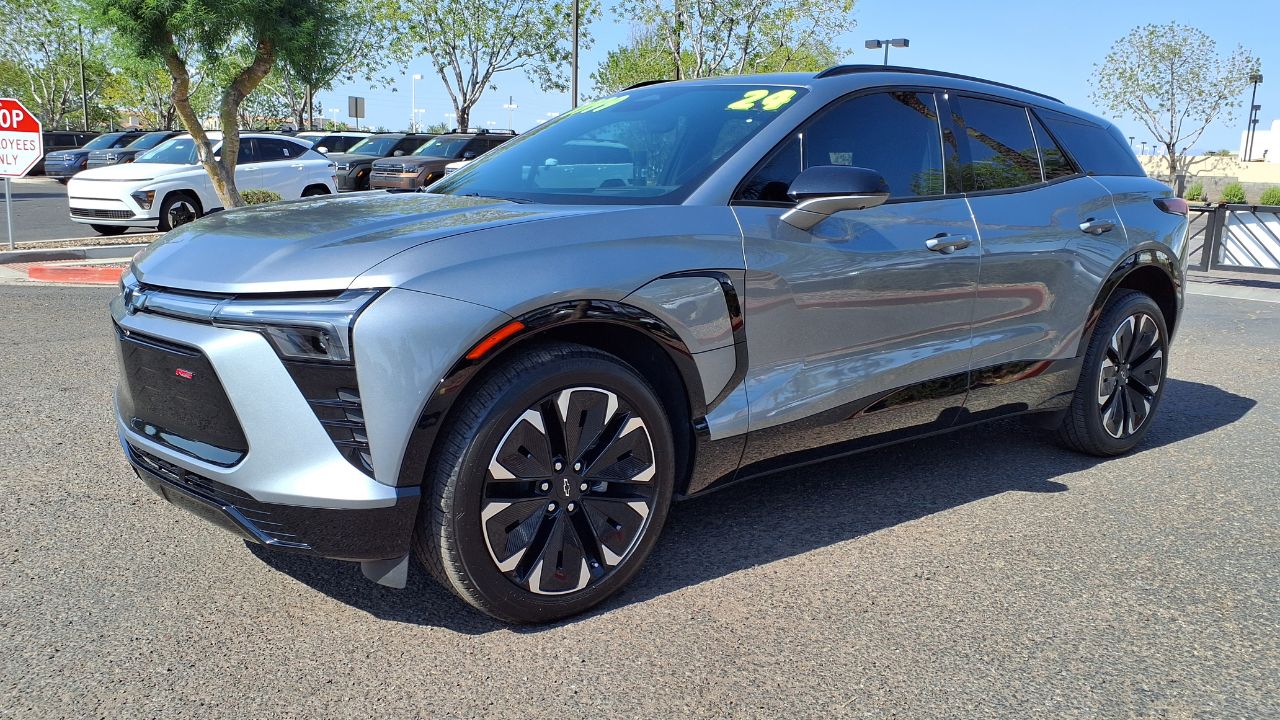
General Motors has announced another major financial hit tied to its electric vehicle plans. The Detroit automaker said it will take roughly $7.1 billion in special charges in the fourth quarter of 2025, with about $6 billion directly linked to scaling back EV production and investments. That makes it the latest and most visible sign yet that the U.S. electric vehicle market is shifting dramatically from the expectations of just a few years ago.
The charges stem from a combination of non-cash write-downs, supplier settlements, and contract cancellation fees, along with a separate $1.1 billion restructuring cost tied to GM’s joint venture in China.
Most of the EV-related charge reflects assets and contracts that GM now expects to yield less value than it had originally planned. Management said these aren’t recurring costs and won’t affect its core adjusted earnings results, but they do show how much the company’s strategy has changed.
A Pivot Built by Policy and Then Redrawn
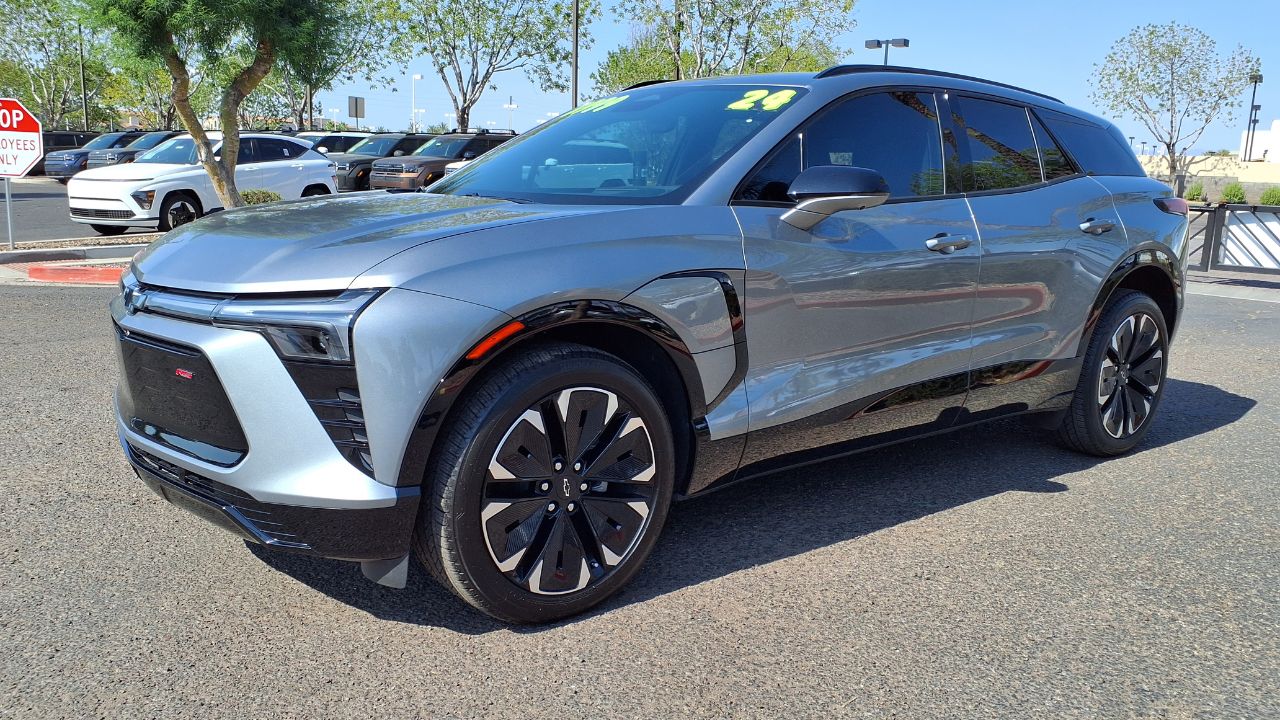
Behind this financial reality is a much larger shift in market conditions and public policy. Many of the assumptions under which GM and other automakers built out expensive EV factories and supply chains were based on strong government incentives and increasingly strict emissions rules.
Under the prior U.S. policy framework, buyers could get up to $7,500 in federal tax credits for qualifying EV purchases, and states were expected to tighten emissions standards that would make combustion engines less competitive.
Those incentives expired at the end of the third quarter of 2025. The federal tax credit, a key tool that helped lower the effective price of EVs for many buyers, is no longer available. At the same time, federal emissions regulations have been relaxed under the current administration, decreasing regulatory pressure to electrify quickly.
Those changes have coincided with a sharp drop in consumer EV demand. GM reported that its EV sales in the U.S. were down roughly 43 percent in the fourth quarter of last year compared with the prior year.
That collapse in demand makes it much harder for legacy manufacturers to justify the massive ongoing investment that a full EV transition demands, especially when competing pricewise with low-cost internal-combustion vehicles and hybrid models that remain popular with many buyers.
The Ford Comparison

GM’s writedown arrives on the heels of a much larger EV charge from Ford Motor Co., which recorded about $19.5 billion in charges tied to its EV business late last year. Ford has gone a step further in pulling back from several EV programs, including shelving its fully electric F-150 pickup and shifting toward hybrids and lower-cost EV architectures.
Taken together, these moves mark a significant departure from the dominant narrative of the past decade, when legacy automakers were racing to electrify their lineups and announce ambitious targets for battery-powered vehicles.
Tesla and Chinese manufacturers like BYD have continued to push aggressively in the EV space, but U.S. consumer demand and policy support have not grown as quickly as expected. That external pressure is reflected in financial results now hitting the balance sheets of traditional carmakers.
GM insists it isn’t walking away from electrification entirely and that it will continue producing its current EV models under brands such as Chevrolet, Cadillac, and GMC. The Company has introduced more affordable models designed to broaden its EV reach going forward. Management has also indicated that additional EV-related charges may show up in 2026, but that they are expected to be smaller.
The strategy now seems to focus more on profitability and matching output to real consumer demand instead of building capacity in anticipation of policy-driven growth that hasn’t materialized. For GM and the broader legacy auto industry, the pure EV boom years are over, and a period of financial recalibration may be underway.
Sources: CNN