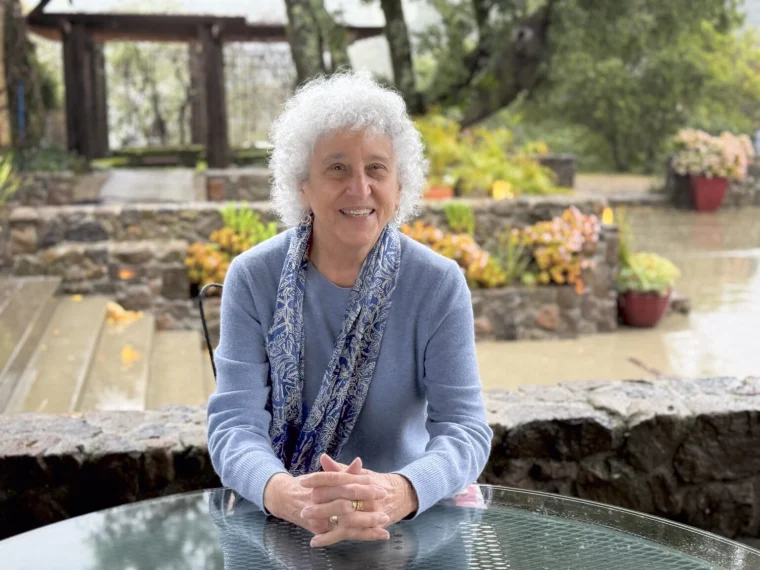
Marion Nestle was amused when Coca Cola recently announced it would sell a version of its soda sweetened with cane sugar instead of high-fructose corn syrup.
“That’s so funny. I just laughed and laughed when I heard that,” Nestle tells TODAY.com.
“Substituting cane sugar for that will make absolutely no difference biochemically. … Coca Cola will still be Coca Cola. It will not be a health food.”
At 89, Nestle has been a prominent voice in nutrition for decades, speaking out about food’s impact on health, the importance of preventing obesity, how the food industry influences what people eat and the politics of food safety.
The No. 1 biggest problem in American diets is that people eat too much, she says.
Nestle is candid, energetic, and still working and writing, including her latest book, “What to Eat Now: The Indispensable Guide to Good Food, How to Find It, and Why It Matters.”
What does she attribute her healthy longevity to?
“Good nutrition, of course,” says Nestle, Ph.D., a retired professor of nutrition, food studies and public health at New York University.
“There must be some genetic component and some of it is luck. But mostly I’ve had pretty healthy habits. I never smoked, I don’t drink a lot, I get plenty of sleep. I live in New York — I don’t have a car, so that makes me physically active by demand.”
Nestle doesn’t take any supplements, noting there’s little evidence they make healthy people healthier. But she’s not opposed to people taking a multivitamin, calling it “harmless” and potentially helping them feel better.

The secret of healthy nutrition is to vary foods as much as possible and keep them as minimally processed as possible, she says.
But Nestle also calls herself a “total foodie,” noting she has a sweet tooth, likes chips and considers cheese “one of life’s great pleasures.”
Here are six of her simple tips for healthy eating:
Never Eat Anything Artificial
“That’s one of my personal rules,” Nestle says. “Why would I want to when real food tastes so much better?”
She avoids foods with additives that boost color, flavor and texture, noting they actually make things taste worse rather than improving them. She also skips artificial sweeteners — “I much prefer sugar,” Nestle adds.
The expert is happy the government has plans to phase out all artificial dyes from the food supply, but emphasizes that won’t automatically make everything a health food.
“I don’t eat things with artificial food dyes. I think it’ll be great to get rid of them,” Nestle says. “However, M&Ms without artificial dyes will still be M&Ms.”
Look for Foods That Are Nutrient Dense, Affordable and Accessible
That’s any kind of real food that’s not heavily processed, including fruits, vegetables, grains, beans, nuts, meat, dairy, eggs and fish, Nestle says.
On Food Labels, Look for Short Ingredient Lists with Recognizable Foods
The goal is to avoid ultraprocessed foods, which have “a great big, long list of color and flavor additives” on the label, Nestle says.
These foods usually combine high added sugar, fat and salt, plus other ingredients most people won’t recognize. They can trigger powerful cravings and are linked to a higher risk of chronic disease.
If the label is long and incomprehensible, Nestle leaves the product on the shelf and moves on, she writes in her book.
Foods that aren’t ultraprocessed will have short labels. For example, regular potato chips will have three recognizable ingredients: potatoes, oil and salt.
“If it says nuts, then it’s got nuts in it. If it says raisins, it’s got raisins,” Nestle says.
“If it says it has pea protein, that’s an industrially produced ingredient.”
Eat Plants as Often as You Can
Nestle points out that everything to know about a healthy diet has been summarized in seven words by the journalist Michael Pollan: “Eat food. Not too much. Mostly plants.”
That doesn’t mean people have to be vegan and avoid meat or dairy. Just follow a largely plant-based diet, which comes with many health benefits, she adds.
“You want to have a lot of plants in your diet because of the fiber that they contain,” Nestle says. “Also, they’re low in calories and have a lot of nutrients, so they’re good to eat, and that includes fruits, vegetables, grains, beans, nuts.”
Eat When You’re Hungry
Nestle is not a breakfast eater because she doesn’t get hungry until late morning — 11 o’clock or so.
Cereal companies sponsored a lot of research to say that breakfast is the most important meal of the day, she says.
But “what you eat — and how much — matters more to your health than when you eat,” she writes in her book.
“I think people should eat when they’re hungry,” Nestle says.
Everything in Moderation
Eggs or bacon are fine in moderation, so is full-fat ice cream with the fewest number of ingredients, Nestle notes.
“People can eat any real foods as long as they don’t concentrate on one food. You want to vary your food intake as much as possible,” she advises.
“(But) if you’re one of these people who can’t keep candy in the house without eating an enormous amount of it, you shouldn’t have candy in the house. I have a little trouble with peanut brittle.”

