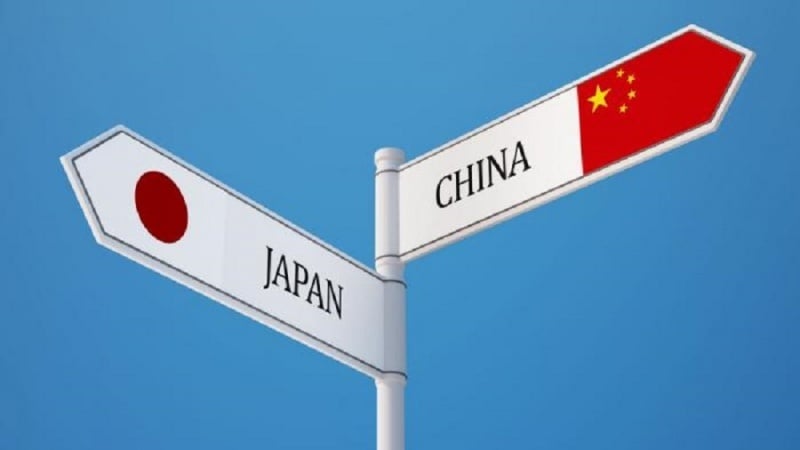
Pars Today — At the end of the week, the global economy faced a series of major developments, including falling oil prices driven by concerns over a possible rate hike and a stronger dollar, negative reactions in gold to new U.S. employment data, and an unprecedented escalation in tensions between Beijing and Tokyo over Taiwan.
Energy markets, precious metals, and East Asia’s economic relations have all experienced significant developments in recent days. While the likelihood of U.S. interest rate cuts has diminished and the dollar has strengthened, oil and gold prices have come under pressure. At the same time, tensions between China and Japan have entered a new phase, with new trade restrictions raising concerns about the future stability of East Asia. This Pars Today briefing reviews the most important economic and geopolitical developments of the week.
Oil prices fall amid oversupply concerns and strong dollar
Oil prices dropped for the third consecutive day, which analysts attribute to two main factors: first, the potential increase in global supply if the U.S. peace initiative between Russia and Ukraine progresses; and second, the significant strengthening of the U.S. dollar.
Reports indicate that Brent crude fell 1.36% to $62.50 per barrel, while West Texas Intermediate (WTI) dropped 1.56% to $58.07. Concerns about potential oversupply pushed both benchmarks down more than 2.5% over the past week.
Although Ukrainian President Volodymyr Zelensky has reviewed and agreed in principle to the U.S. proposed peace plan, new sanctions against Rosneft and Lukoil are being implemented. However, many experts remain skeptical about how quickly a peace deal can be finalized and how effective the new sanctions will be.
Rising China–Japan tensions: from military threats to targeted economic pressure
Meanwhile, East Asia is witnessing a sharp escalation in a new crisis. China has announced a ban on all Japanese seafood imports following comments by Japan’s Prime Minister Sanae Takaichi regarding potential military intervention to defend Taiwan.
Beijing has labeled these remarks a historical red line and, in addition to political warnings, has urged Chinese citizens to avoid traveling to Japan. This move could place significant economic pressure on Japan’s tourism industry.
Analysts note that the crisis is part of a larger trend that can be described as a “controlled Cold War,” a period in which tensions remain constant but economic interests prevent the two countries from entering open conflict. At the same time, weaknesses in crisis management mechanisms and increasing military interactions have dangerously heightened the risk of accidental incidents.
