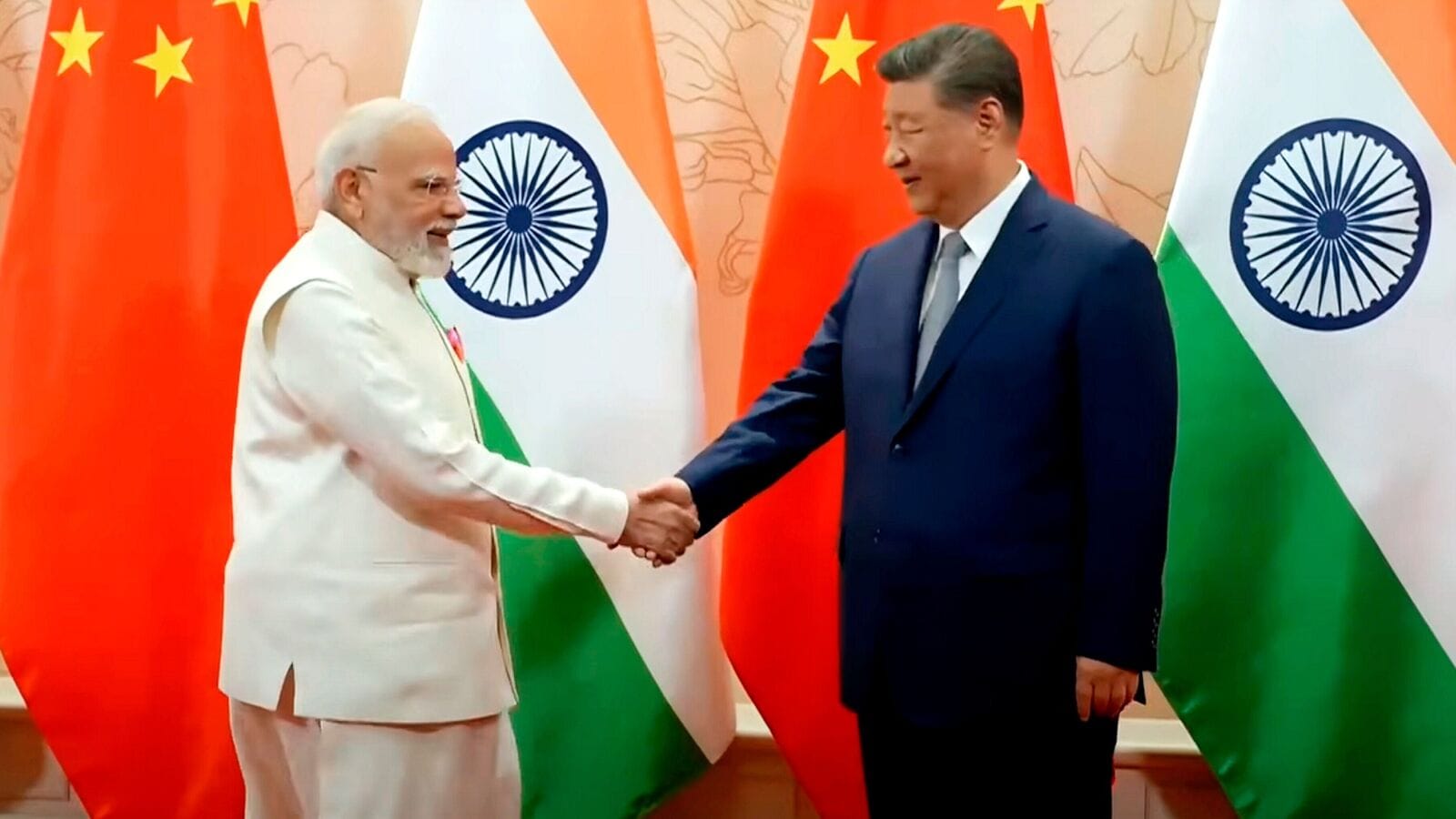
The European Union is very unlikely to impose tariffs on India or China, the main buyers of Russian oil, despite US President Donald Trump’s request, news agency Reuters reported, citing people aware of the development.
This week, an EU delegation, including the EU’s Russia sanctions chief, travelled to Washington to discuss how the two sides can coordinate on sanctions against Russia over the Ukraine war.
What did Donald Trump ask for?
Trump asked the EU to levy 100 per cent tariffs on India and China to pressurise Russian President Vladimir Putin, who relies on energy revenues to fund his country’s war in Ukraine, the report said, citing the officials.
As part of its latest sanctions package in July, the European Union has imposed sanctions on Russia, including two Chinese banks and a major Indian refinery.
Notably, the bloc treats tariffs differently from sanctions and only imposes them after an investigation, which typically lasts months, to establish a legally sound justification, the report said, citing people aware of the development.
So far, the EU has only imposed tariffs on Russian and Belarusian fertilisers and farm products in the context of the Ukraine war. The measures were justified to prevent creating an exploitable dependency and to avoid harm to EU fertiliser producers.
“So far, there is no discussion on possible tariffs neither on India…nor with China,” an EU diplomat told Reuters.
Meanwhile, the EU is nearing the finalisation of a trade deal with India, which the bloc is unlikely to want to jeopardise.
Trump’s stance on India also seemed to soften by Wednesday, when he stated he was looking to re-establish trade relations with New Delhi.
Imposing tariffs was a risky move, as they could be too broad. It was simpler to target specific entities and then open the door to delisting them if they severed ties with Russia, an EU source told Reuters.
So far, the EU has only listed small and obscure entities in third countries, which were often shell companies used to channel military equipment or dual-use goods for use by Russia’s armed forces.
The EU plans to include banks in two Central Asian countries in its 19th sanctions package, along with Chinese refineries, which could be proposed as soon as Friday.
(With inputs from Reuters.)
