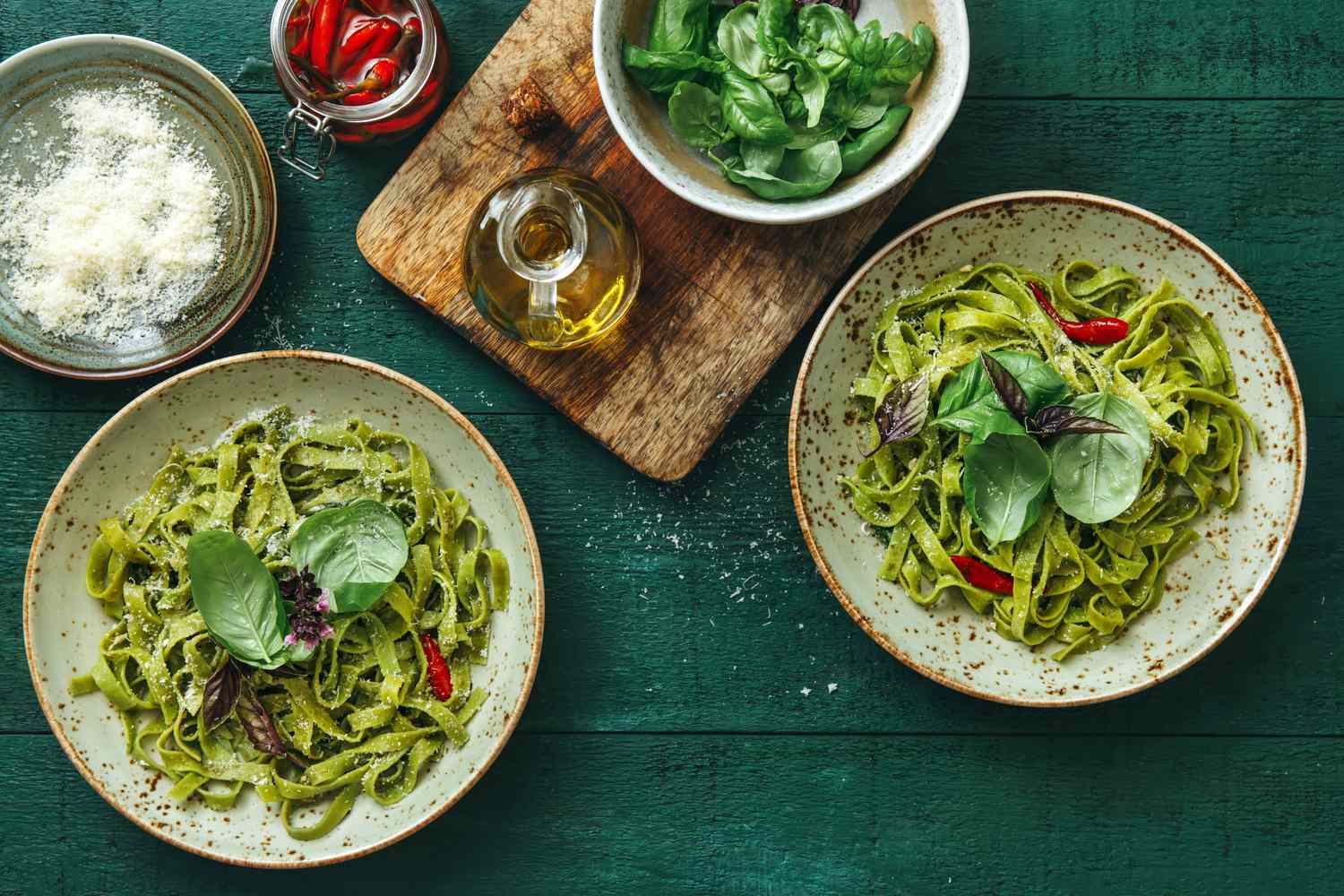
Whether you’re eating cheesy pizza, pesto pasta, or roasted chicken, basil is an ingredient that many at-home chefs consider essential. And for good reason: “Basil has a sweet, slightly peppery flavor that adds both delicious taste and a healthy touch to any meal,” says registered dietitian Michelle Routhenstein, MS, RD. “Fresh basil leaves are smooth and tender. I love using fresh basil in salads, as a garnish to a meal, in pesto, or chiffonade it into dressings and sauces for extra flavor.” Beyond its fun texture and delectable taste, basil is also a nutrient powerhouse. Here, we asked registered dietitians for five healthy reasons that will make you appreciate basil even more.
Rich in Antioxidants
“Basil is rich in eugenol, an antioxidant that helps neutralize harmful free radicals in the body due to its high Oxygen Radical Absorbance Capacity (ORAC) score,” Routhenstein says. “A higher ORAC score reflects a greater ability to combat oxidative stress, which can lower the risk of chronic diseases, especially heart disease.” It all starts with adding these flavorful leaves to your lunches and dinners!
Boosts Essential Vitamins and Minerals
“Basil is a source of essential vitamins and minerals, particularly vitamin K, vitamin A, and small amounts of iron and calcium,” says registered dietitian Avery Zenker, MAN, noting that “although basil is very dense in certain vitamins and minerals, we typically don’t consume it in large amounts.” Even so, it doesn’t take too many basil leaves to reap the benefits of their high vitamin and mineral content.
Curbs Inflammation
Basil’s rich antioxidant content also works to curb inflammation in the body. “Basil contains a number of phytonutrients, which are naturally occurring plant compounds that have health benefits,” Zenker says. “Many of these phytonutrients, like polyphenols, are antioxidants that have anti-inflammatory properties. Antioxidants help reduce inflammation by preventing oxidative stress caused by free radicals, which damage cells in ways that are linked to progression of diseases like cardiovascular disease and type 2 diabetes.”
Regulates Blood Sugar
If you struggle with unregulated insulin levels, adding more basil to your meals is a good idea. “Some evidence suggests that basil could help support healthy blood sugar levels and insulin sensitivity,” Zenker says. “It’s thought that the anti-diabetic potential of basil extract is related to the suppression of glucose release and inhibition of breakdown of glycogen (stored carbohydrates); these effects may be due to the polyphenols in basil.” Although research on the topic is limited, there’s no harm in adding more basil to your diet.
Improves Digestive Health
Digestive and metabolic health are a struggle for many to maintain—but with a little basil, you might be able to improve both. “Basil may help ease digestive discomfort due to compounds in it such as cineole and estragole, which help reduce inflammation in the gut lining, potentially relieving indigestion, bloating, and stomach cramps,” Routhenstein says. And Zenker agrees: “Basil could cause small, but meaningful adjustments to the gut microbiome, supporting a healthy balance of bacteria,” she says.
How to Add More Basil to Your Diet
Now that you know the impressive health benefits of these tiny leaves, you might be wondering how to eat more of it. Below, find a few dietitian-approved ways to eat more basil.
Sprinkle It in After Cooking
“Sprinkle fresh leaves over salads, pasta, stir fries, or soups just before serving,” Routhenstein suggests. Not only will this add more flavor, but it will make any dish look a little more sophisticated.
Blend Into Pesto
When preparing homemade pesto, add a large handful of basil leaves to the mix. While many folks prefer to alternate between parsley, cilantro, and even spinach, basil reigns supreme as the most flavorful ingredient for pesto. Don’t forget to add this delicious green ingredient to your next pesto-based dish!
Steep in Teas
“Basil leaves can add a flavor and health boost into teas, or infused water,” Routhenstein suggests. Consider enhancing that evening cup of tea by steeping a few basil leaves.
Use in Sauces
When cooking meat, proper marination is essential. That’s where basil comes into play: “Dried basil enhances sauces, marinades, stews, or part of the seasoning to fish, chicken, or tofu,” Routhenstein says.
Freeze for Future Use
If you grow basil in your garden, you might have too much on hand to use all at once. That’s why Routhenstein suggests chopping and freezing basil for future use. And if you don’t know how to store fresh basil properly, look no further than our handy guide.

