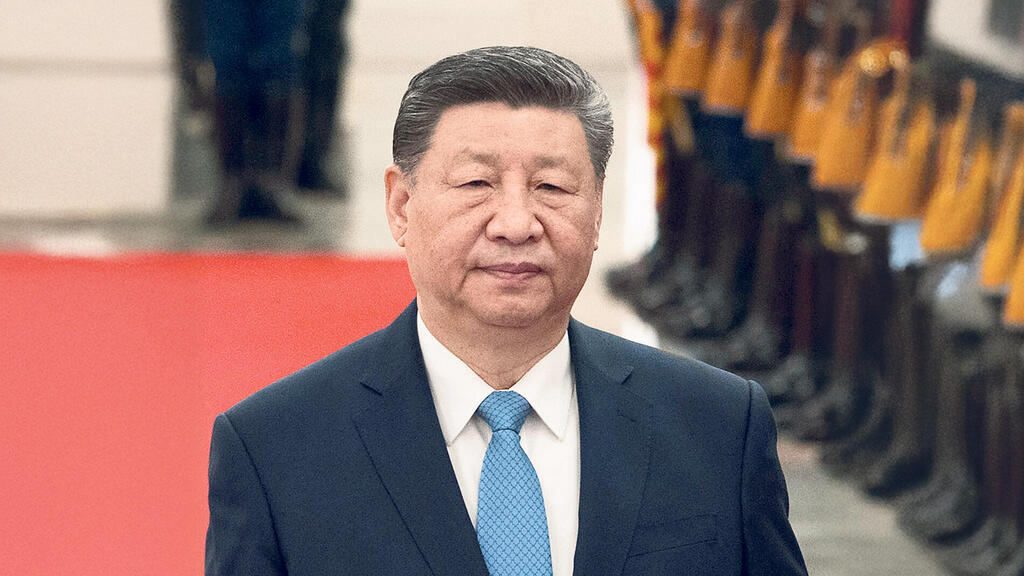
Chinese President Xi Jinping on Friday presented Beijing as the architect of a new global AI order, using China’s premier technology conference to promote open-source artificial intelligence and challenge U.S. influence over the rules governing one of the world’s fastest-moving industries.
In a keynote speech opening the World Artificial Intelligence Conference (WAIC) in Shanghai, Xi urged countries to seize the “historic opportunity” presented by open-source AI and pledged to help developing nations build their own AI capabilities. He warned against the emergence of “new historical injustices” resulting from unequal access to the technology.
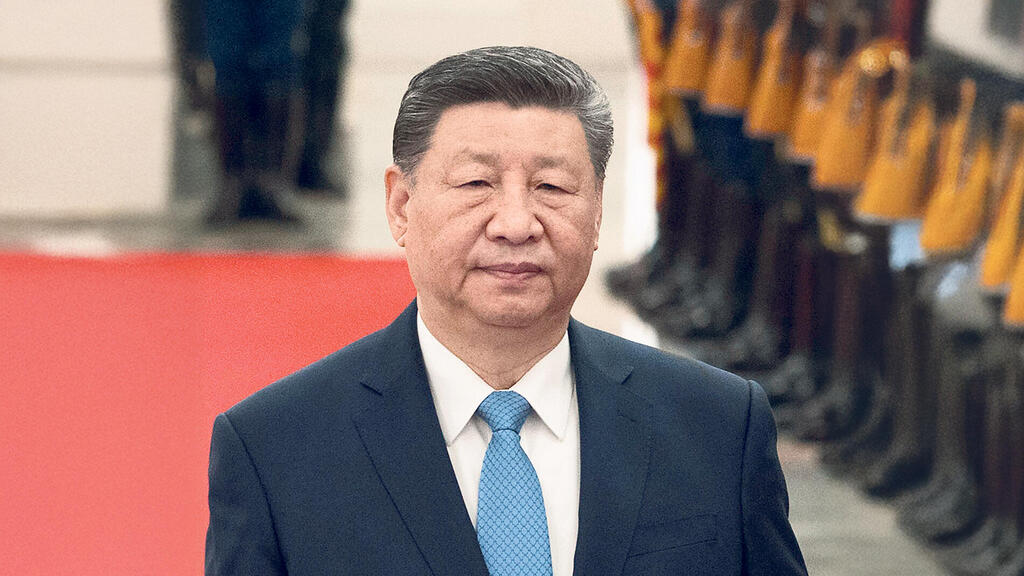
The remarks were Xi’s clearest articulation yet of China’s ambition to shape global AI governance, framing China’s open-source AI models as a global public good while positioning Beijing as an alternative to Washington at a pivotal moment in the global race for AI leadership.
Comparing AI’s significance to the invention of the steam engine and electricity, Xi outlined a vision in which China shares AI technology and expertise with countries across the Global South while helping establish international standards for the emerging technology.
Without mentioning the United States directly, Xi effectively positioned China’s AI strategy as an alternative to the U.S.-led “Pax Silica” initiative, which aims to strengthen international cooperation on AI and critical mineral supply chains.
Chinese state media has increasingly portrayed Beijing’s AI strategy as a response to what it describes as a U.S.-led attempt to erect an “AI Iron Curtain.”
In a commentary published on Thursday, Yuyuan Tantian, a prominent social media account affiliated with state broadcaster CCTV, said China aims to build “another order” by “pooling the strength of all humanity and all countries to build an open-source, all-factor AI ecosystem.”
The conference also highlighted how rapidly China’s AI ecosystem is closing the gap with leading U.S. developers. Beijing-based startup Moonshot AI on Friday unveiled Kimi K3, which it described as the world’s largest open-weight AI model by parameter count, just one month after the U.S. government withdrew Anthropic’s frontier AI models over security concerns.
The launch reinforced the growing competitiveness of China’s open-weight AI models against proprietary systems developed by companies such as OpenAI and Anthropic.
The announcement also comes as Beijing appears to be balancing openness with national security. Reuters reported earlier this month that Chinese authorities are considering restrictions on overseas access to some of the country’s most advanced AI models, underscoring the tension between China’s promotion of open-source AI and its increasingly restrictive security policies.
Xi also devoted significant attention to AI safety, calling for artificial intelligence to remain under human control and urging countries to establish early-warning and emergency-response mechanisms to manage AI-related risks.
In his strongest comments yet on AI safety, Xi warned against “loss-of-control” scenarios in which increasingly autonomous AI systems could evade effective human oversight.
China will provide AI training programs and establish AI cooperation centers with countries in BRICS, ASEAN, Latin America and the African Union, Xi said, aligning China’s AI diplomacy with regions where Beijing has already built considerable political and economic influence.
His speech came one day after the launch of the China-backed World AI Cooperation Organization (WAICO), which debuted with 29 member countries. Xi described the organization as “a milestone in the history of world AI development” and said it answered growing calls from developing nations for a greater voice in AI governance.
Analysts said the timing transformed what might otherwise have been a routine policy speech into a broader geopolitical statement.
“You’ve got the leader of the second most powerful country in the world, a country that’s still making significant technological progress despite everything going on with the U.S., standing up and laying out China’s vision for AI,” said Alfredo Montufar-Helu, Managing Director at Ankura China Advisors.
According to analysts, the initiative reflects China’s determination not to become a rule-taker in an industry increasingly shaped by U.S. companies, American export controls and Washington-led technology partnerships.
“Xi’s message is clear: China is not going to follow anyone on either AI technology or standards. Instead, China is going to lead the world in both,” said George Chen, Chair of Digital Practice at consultancy The Asia Group.
The July 17-20 conference comes as Washington and Beijing prepare for their first government-level AI talks under U.S. President Donald Trump.
The two countries outlined competing visions during a United Nations AI dialogue last week. U.S. officials argued that excessive regulation risks slowing innovation, while China promoted low-cost, open-source AI models as a way to reduce global inequalities in access to advanced technology.
Washington has secured the backing of 35 countries for its AI Opportunity Statement, while 29 countries have joined the China-led WAICO initiative.
Kazakhstan is currently the only country participating in both initiatives, according to a person familiar with the U.S. position, suggesting there is limited overlap between the competing diplomatic blocs.
Alongside China’s leading technology companies, this year’s WAIC is also attended by U.N. Secretary-General António Guterres, Kazakh President Kassym-Jomart Tokayev and Thai Prime Minister Anutin Charnvirakul.