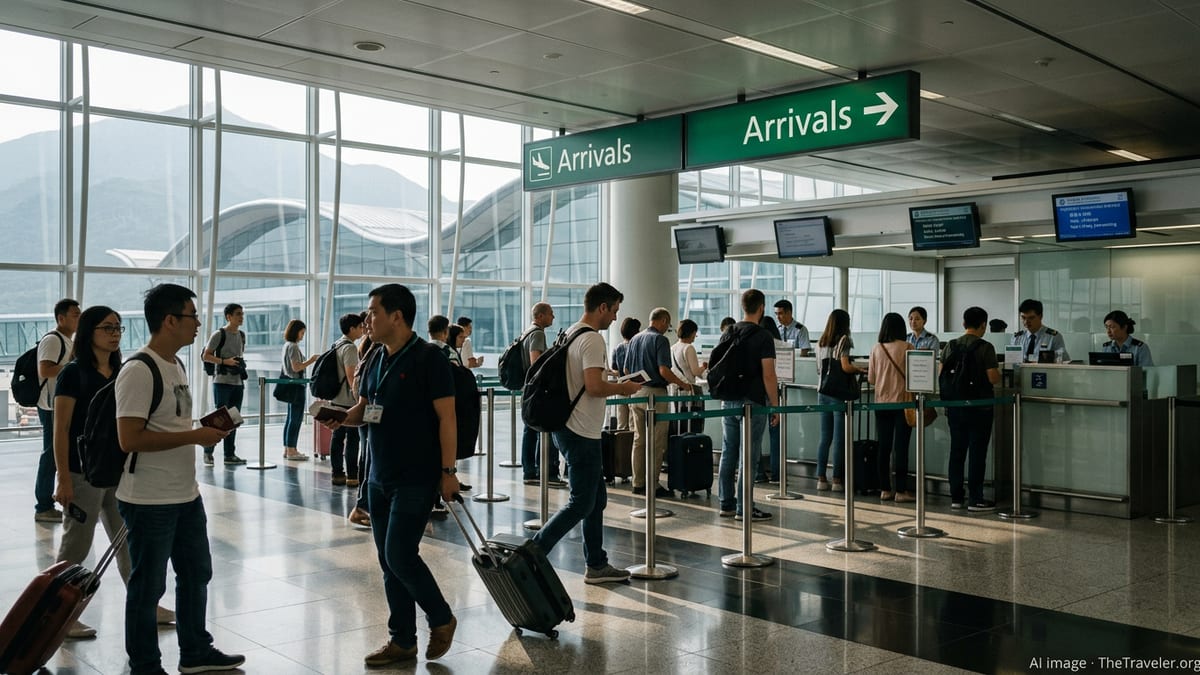
Hong Kong remains one of Asia’s most accessible gateways, with a liberal visa policy and straightforward entry rules for most visitors. Yet the details can still be confusing, especially with new pre arrival registration schemes, changing transit rules, and different treatment for residents, mainland Chinese travelers, and foreign tourists. This guide explains who needs a visa for Hong Kong, how long you can stay visa free, and the key entry requirements to understand before you travel.
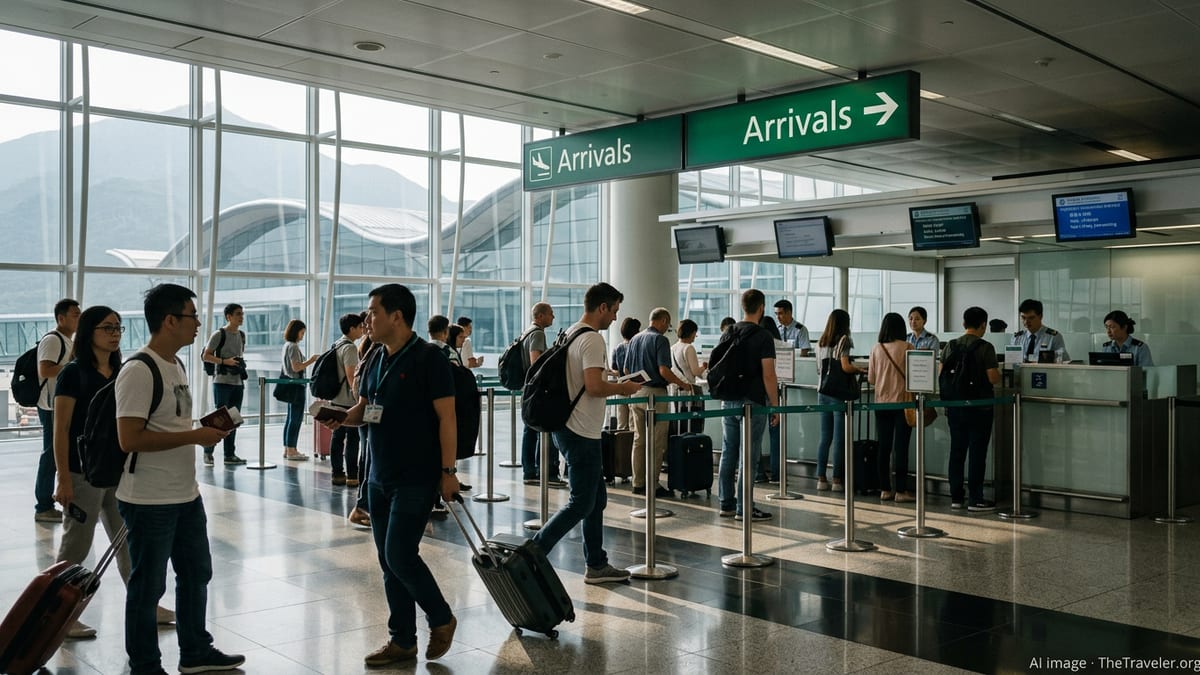
Hong Kong’s Visa Policy in a Nutshell
Hong Kong operates a relatively liberal visa regime that allows short term visa free visits for nationals of around 170 countries and territories, typically for periods ranging from 7 to 180 days depending on nationality. This policy underpins the city’s role as a regional hub, making it easy for business travelers, tourists, and transit passengers to pass through without complex bureaucracy. However, longer stays for work, study, or residence always require a visa or entry permit, even for visa free visitors.
In practice, Hong Kong immigration officials are mainly concerned with the purpose and length of your stay, your nationality, and whether you appear able and willing to leave before your permitted time expires. For most short stay visitors arriving with a return or onward ticket, adequate funds, and a valid passport, the process at the border remains quick and predictable. That said, it is vital to check your own country’s status on the Hong Kong Immigration Department’s latest list because rules for a few nationalities are more restrictive and subject to change.
Unlike mainland China, Hong Kong maintains its own separate immigration system under the “one country, two systems” framework. Visa free entry to Hong Kong does not automatically confer any rights to enter mainland China, and a mainland China visa or transit permission must be arranged separately where required. Conversely, having a mainland China visa does not in itself grant permission to enter Hong Kong.
Travelers should also distinguish between visa free entry and pre arrival registration, which Hong Kong uses for particular nationalities as an extra screening step. While pre arrival registration does not replace a visa for longer stays, it is required for certain short term visits and without it you may be refused boarding or denied entry on arrival.
Who Can Visit Hong Kong Visa Free
Nationals of most European countries, the United States, Canada, Australia, New Zealand, Japan, South Korea, Singapore, and many other economies enjoy visa free access to Hong Kong for tourism or short business visits. The permitted duration of stay varies by passport but commonly ranges from 90 to 180 days for these visitors. Shorter visa free periods, often 14 or 30 days, apply to some other countries. Immigration officers stamp your passport on arrival with the maximum stay allowed for your nationality, and you are expected to depart or apply for an appropriate visa before that period ends.
Visa free entry generally covers activities such as tourism, attending business meetings, participating in short conferences, or undertaking brief fact finding trips. It does not permit taking up employment, paid performance, long term study, or residency. Those activities require an approved visa or entry permit in advance, usually supported by a local sponsor such as an employer, educational institution, or family member.
Hong Kong’s visa free arrangements focus on short visits and do not require visitors to register with local authorities or carry special permits beyond their passport and landing slip or electronic record. However, immigration inspectors retain the discretion to ask questions about your itinerary, accommodation, or finances. Travelers who cannot demonstrate a genuine short term purpose, or who have made frequent back to back visits suggesting de facto residence or work, may be refused entry or granted a shorter stay than the maximum.
Even if you are visa free, it is wise to travel with proof of onward travel, hotel bookings, or host contacts in Hong Kong. This documentation is not always requested, but it can smooth the process if an officer needs reassurance that your trip is consistent with visitor status.
Who Needs a Visa, Entry Permit, or Pre Arrival Registration
While many nationalities can visit Hong Kong without a visa, some travelers require a visa or entry permit for any form of entry, including tourism and visiting friends. A separate group can visit visa free for short stays but must complete pre arrival registration before traveling. Because the list of affected countries can change, travelers whose passports are not from major visa free jurisdictions should confirm requirements directly with official sources or with the nearest Chinese embassy or consulate handling Hong Kong matters.
For certain nationalities, Hong Kong requires a visa not only for visits but even for direct airside transit through Hong Kong International Airport. In recent years, some of these restrictions have eased. For example, the transit visa requirement for Nepali travelers remaining in the airport’s transit area has been lifted, but travelers from other countries may still face stricter rules. This highlights how granular and nationality specific Hong Kong’s policy can be and why up to date verification is essential.
Indian nationals occupy a special category. They are generally eligible to visit Hong Kong visa free for short stays but must first complete an online pre arrival registration, commonly called PAR. Successful registration typically allows multiple visits within a set validity period, with each stay capped at a fixed number of days. PAR functions as an extra security and eligibility check and is mandatory. Without it, airlines may deny boarding and immigration officers in Hong Kong can refuse entry even though the underlying policy is visa free.
Apart from nationality based rules, anyone intending to work, study, establish or join a business, or stay beyond the visitor period requires a specific visa or entry permit, regardless of whether their passport usually enjoys visa free status. This includes foreign professionals taking up employment, people joining family members as dependants, students enrolling in longer courses, and entrepreneurs relocating to run a business. These visas must be obtained in advance, and overstaying or working on a visitor status can lead to removal and difficulties returning.
Transit Through Hong Kong: When a Visa Is Needed
Hong Kong International Airport is a major transit hub linking long haul flights between North America, Europe, the Middle East, and the Asia Pacific region. For the vast majority of passengers simply connecting airside between flights on the same or partner airlines, no Hong Kong visa is required. You remain within the restricted transit area, follow airport signage to your next gate, and do not pass through immigration. Your eligibility for visa free entry to Hong Kong is irrelevant in this scenario because you are not formally entering the territory.
The situation changes if you wish to leave the airport during your layover, for example to visit the city between flights, or if your transit involves collecting baggage and re checking with a different airline that does not interline baggage. In that case you must pass immigration, and your nationality determines whether you can enter visa free or need a pre arranged visa or entry permit. Travelers from visa free countries can usually enter for a few hours or days without issue, as long as they meet general entry conditions and have an onward ticket.
Mainland Chinese passport holders benefit from a special transit arrangement. If they are genuinely in transit between mainland China and a third country or region, they may be granted a short stay without an entry permit, typically up to seven days per landing, provided they hold valid travel documents for the onward destination and a confirmed onward booking. This concession facilitates multi leg itineraries that route via Hong Kong, but it is tightly tied to the concept of transit rather than tourism and must not be used as a way to live or work in Hong Kong without proper permission.
For a small group of nationalities, Hong Kong has historically required transit visas even for those remaining airside. Some of these rules have recently relaxed, so travelers who previously assumed they needed transit visas should recheck current guidance. Because airline staff are often the first to enforce these requirements at check in, it is important that your booking clearly reflects a continuous international journey and that you carry all documentation required for your final destination.
Entry Rules at the Border: Documents and Conditions
Regardless of whether you need a visa, every traveler entering Hong Kong must meet basic entry conditions. Your passport should be valid for at least one month beyond the intended period of stay, though many airlines and travelers prefer a buffer of at least six months to avoid any complications. You may also be asked to show a return or onward ticket, evidence of accommodation such as hotel reservations or an invitation from a host, and proof that you have sufficient funds to cover your stay.
Hong Kong no longer uses paper arrival cards for most visitors, having streamlined procedures through digital records and automated channels. Many frequent travelers and eligible passport holders can use the e Channel automated gates, which speed up entry and exit, although first time visitors and those from certain nationalities still pass through manned counters. Whatever lane you use, you should be prepared to answer questions about the purpose and length of your stay, your occupation, and your intended activities.
Immigration officers have discretion to grant a shorter stay than the maximum permitted for your nationality if they have concerns about your intentions, past immigration history, or lack of documentation. In serious cases they may refuse entry and require you to return on the next available flight. To minimize the risk of problems, travelers should avoid one way tickets without clear plans, frequent back to back visits that look like informal residence, or any hint of working without authorization.
Health related requirements can evolve rapidly, as seen during the pandemic years, when Hong Kong applied strict testing, quarantine, and vaccination rules. At the time of writing, routine border health controls have largely normalized, but travelers should still check for any disease related entry requirements, especially if there are regional outbreaks or new public health alerts. Airline notices and government advisories remain the most reliable sources for last minute changes that might affect boarding or arrival.
Working, Studying, and Long Stays in Hong Kong
Visitors who wish to stay in Hong Kong longer than their visa free period, or who intend to work, start a business, or undertake formal study, must secure an appropriate visa or entry permit before arrival. Visa free status is strictly for short term visits and does not convert into a pathway to residence or employment. Attempting to work, study full time, or conduct long term activities on a visitor status can lead to removal and future entry bans.
Hong Kong offers several employment and talent admission schemes targeted at professionals, entrepreneurs, and highly skilled individuals. Examples include employment visas sponsored by a local company, investment or entrepreneur visas for those establishing or joining businesses, and points based schemes for high achieving or in demand talent. These routes generally require proof of qualifications, a detailed business or employment plan, and evidence that the role or venture cannot easily be filled or undertaken by the local workforce.
Students enrolling in full time academic or vocational programs at recognized institutions must apply for a student visa, often with sponsorship from the school. Dependant visas are available for certain family members of Hong Kong residents and eligible visa holders, subject to financial and relationship proof. In each case, applications are usually made from outside Hong Kong, and applicants should allow several weeks for processing, particularly during peak seasons or when additional documents are requested.
Long term residents and those who eventually acquire permanent resident status have a right of abode and no longer need visas to live or work in Hong Kong. However, they may still need visas or electronic authorizations when traveling to other countries, and holding Hong Kong status does not eliminate foreign entry requirements. Travelers should therefore distinguish clearly between their position under Hong Kong law and the border rules of other destinations they plan to visit from Hong Kong.
Hong Kong Residents, Mainland Chinese Travelers, and Dual Documents
Travel rules for Hong Kong permanent residents, holders of Hong Kong Special Administrative Region passports, and mainland Chinese citizens can be particularly complex because different documents confer different rights in various jurisdictions. A Hong Kong permanent resident who is also a Chinese citizen may hold a Hong Kong identity card, a Home Return Permit to enter mainland China, and a Hong Kong SAR passport for international travel, each used in different contexts.
From the perspective of entering Hong Kong, local residents with the right of abode or right to land use their Hong Kong identity card or other recognized documents at immigration and do not require visas. However, when these same individuals travel abroad, they are treated according to whatever passport they present. A Hong Kong SAR passport offers extensive visa free or visa on arrival access to many countries and is ranked highly on global passport indices, but foreign governments periodically adjust their rules and may introduce electronic travel authorizations, transit permissions, or security screening schemes that apply to Hong Kong passport holders just as they do to other nationalities.
Holders of other Hong Kong travel documents, such as the Hong Kong Document of Identity for Visa Purposes, often face more restrictive conditions when visiting foreign countries, even though they may enter Hong Kong itself freely as residents. Many foreign states grant generous access to Hong Kong SAR passport holders but not to Document of Identity holders, so residents relying on these alternative documents must be particularly careful about foreign visa requirements. For entry into mainland China, separate permits issued by mainland authorities are required; Hong Kong documents alone are not sufficient.
Mainland Chinese citizens using People’s Republic of China passports face their own set of requirements for traveling to and from Hong Kong, including the transit concession described earlier and separate exit endorsements issued by mainland authorities for visits to Hong Kong or onward travel. These arrangements reflect cross boundary controls within the context of one country with separate immigration systems, and travelers who hold both Hong Kong and mainland documents should follow official guidance on which document to use at each segment of their journey.
The Takeaway
For most international visitors, entering Hong Kong remains straightforward. Many travelers enjoy visa free stays long enough for business trips or holidays, and Hong Kong’s airport handles transit passengers efficiently without the need for complex paperwork. The main challenges arise for those from non visa free countries, nationals subject to pre arrival registration, and travelers planning activities that go beyond the scope of a standard visitor stay.
Because rules vary significantly by nationality, purpose of visit, and type of travel document, the single most important step is to check your status against the latest official guidance before booking. Confirm whether you qualify for visa free entry, whether you must complete pre arrival registration, and whether your intended activities are compatible with a visitor stay. When in doubt, consulting a consulate, your airline, or an experienced visa adviser can prevent unpleasant surprises at the border.
Provided you travel with a valid passport, clear proof of onward travel, and realistic plans that match your stated purpose, Hong Kong immigration remains predictable and welcoming. Understanding the broad framework described in this guide will help you interpret the official rules and approach your trip with confidence, whether you are passing through on a long haul connection or staying to explore the city’s neighborhoods, cuisine, and culture.
FAQ
Q1. Do I need a visa to visit Hong Kong as a tourist?
For many nationalities, including much of Europe, North America, and parts of Asia Pacific, short tourist visits to Hong Kong are visa free for a limited period. However, some countries require a visa for any visit, so you should always confirm based on your specific passport before travel.
Q2. How long can I stay in Hong Kong without a visa?
The permitted visa free stay depends on your nationality and typically ranges from 7 to 180 days. Immigration officers stamp your passport with the maximum period allowed on arrival, and you must leave or obtain a suitable visa before that period expires.
Q3. What is pre arrival registration for Hong Kong?
Pre arrival registration, often called PAR, is an online authorization that certain nationalities must obtain before traveling to Hong Kong even though they are classed as visa free visitors. Once approved, it usually permits multiple short stays within a set validity period, but it does not replace a visa for work, study, or long term residence.
Q4. Can I work in Hong Kong on a tourist or business visit status?
No. Visitor status, whether visa free or on a visit visa, does not allow you to take up employment, perform paid services, or run a business in Hong Kong. To work legally, you must hold an approved employment, entrepreneur, or talent admission visa that is valid for the role you intend to perform.
Q5. Do I need a visa to transit through Hong Kong International Airport?
Most passengers transiting airside between international flights do not need a Hong Kong visa, as they do not pass through immigration. If you plan to leave the airport during your layover or your itinerary requires you to collect and recheck baggage, you must meet the normal entry requirements for your nationality, which may include a visa.
Q6. What documents will immigration officers ask for on arrival?
Officers typically require a valid passport and may ask to see a return or onward ticket, details of accommodation, and evidence of sufficient funds. They can also ask about the purpose of your visit and your planned length of stay to confirm that your trip fits within visitor rules.
Q7. Can I extend my stay in Hong Kong beyond the period granted on arrival?
In some circumstances, visitors can apply to extend their stay, but approval is discretionary and not guaranteed. Extensions are generally easier when there is a clear, short term reason and when the visitor has complied fully with past immigration conditions. Long or repeated extensions may not be accepted as a substitute for the correct visa.
Q8. Are health checks or vaccinations required to enter Hong Kong?
At present, routine pre departure testing and vaccination checks have largely been lifted, though health measures can be reintroduced if public health conditions change. Travelers should monitor official announcements and airline advisories for any temporary quarantine, testing, or health declaration requirements before departure.
Q9. What happens if I overstay my permitted period in Hong Kong?
Overstaying is treated seriously and can result in fines, detention, and removal from Hong Kong, as well as difficulties obtaining visas or permission to re enter in future. If you realize you may need more time, you should contact immigration authorities and seek advice before your stay expires, rather than waiting until you are already in breach.
Q10. Does a visa for mainland China allow me to enter Hong Kong?
No. Hong Kong maintains its own immigration system, and a visa for mainland China does not give you the right to enter Hong Kong. Similarly, permission to enter Hong Kong does not automatically allow you to travel to mainland China, for which separate visas or transit arrangements are required.