The Labour government has decided we are going to have unitary authorities that will replace all district councils and the county council, and a combined mayoral authority across Norfolk and Suffolk.
These are not our ideas; they are the making of Labour and the Tories.
For months now, the county and district councils have been offering up their proposals for how local government should be reorganised in our county, but ultimately the government will decide which model of unitary authorities we will have.
But how would Reform UK interpret local government reform given the chance?
While others see reforming local government as a changing of structures and responsibilities, in other words, more like a corporate restructure, we see it as a change of approach and ethos.
A change away from local government run by officers and instead run by elected councillors.
Councils run for the benefit of the taxpayer rather than for the benefit of those who work for the council.
Council meetings run with a full complement of engaged representatives rather than meetings with a quarter of elected representatives absent as was evident at Norfolk County Council’s last full meeting.
Local government run with far more transparency and accountability by committee and not by cabinet.
The top priority in local government should always be financial probity.
If councils run deficits, the taxpayer is spending vast amounts on debt interest before they pay for any services.
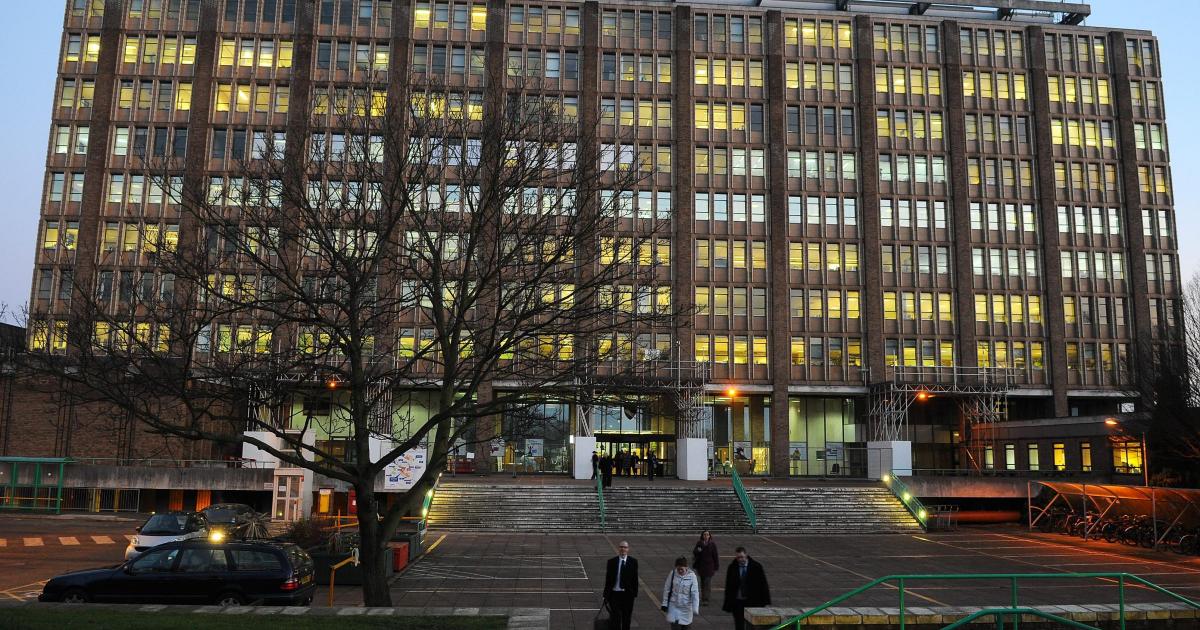
Norfolk has a disastrous debt record.
Norfolk County Council is the worst offender with a debt of £829m, followed by Norwich City Council £207m and Great Yarmouth Borough Council £81m.
West Norfolk and South Norfolk have modest debts and, to their credit, North Norfolk, Breckland and Broadland councils have no debt.
Some local authorities in Norfolk do not sweat their assets nearly enough, with vacant council homes, office buildings, warehouses and commercial premises sitting as a liability on their balance sheets rather than as assets.
Norwich is the worst culprit, with hundreds of empty council homes at a time when we apparently have a housing shortage.
Reform UK hasn’t had any say in local government reform due to the cancellation of elections in May this year.
We have yet to see whether the powers that be at County Hall have the courage to permit the electorate to go to the ballot box in May next year.
All but three of the 84 county councillors have no mandate whatsoever, yet they presume to continue to make decisions about the future of Norfolk.
The political tide in Britain and here in Norfolk has changed and with it, we will see a change for the better for local taxpayers as and when Reform UK take control regardless of the nature of the local authorities we will all be voting for.

