Global warming is on the rise, and a lesser-known factor contributes to the problem— tons of clothing dumped in landfills.
20-30% of clothing production goes without purchasing or using, which equals up to 30 billion textiles being emptied into landfills across the globe.
One solution to the growing issue is purchasing second-hand clothing instead of brand new from retail stores.
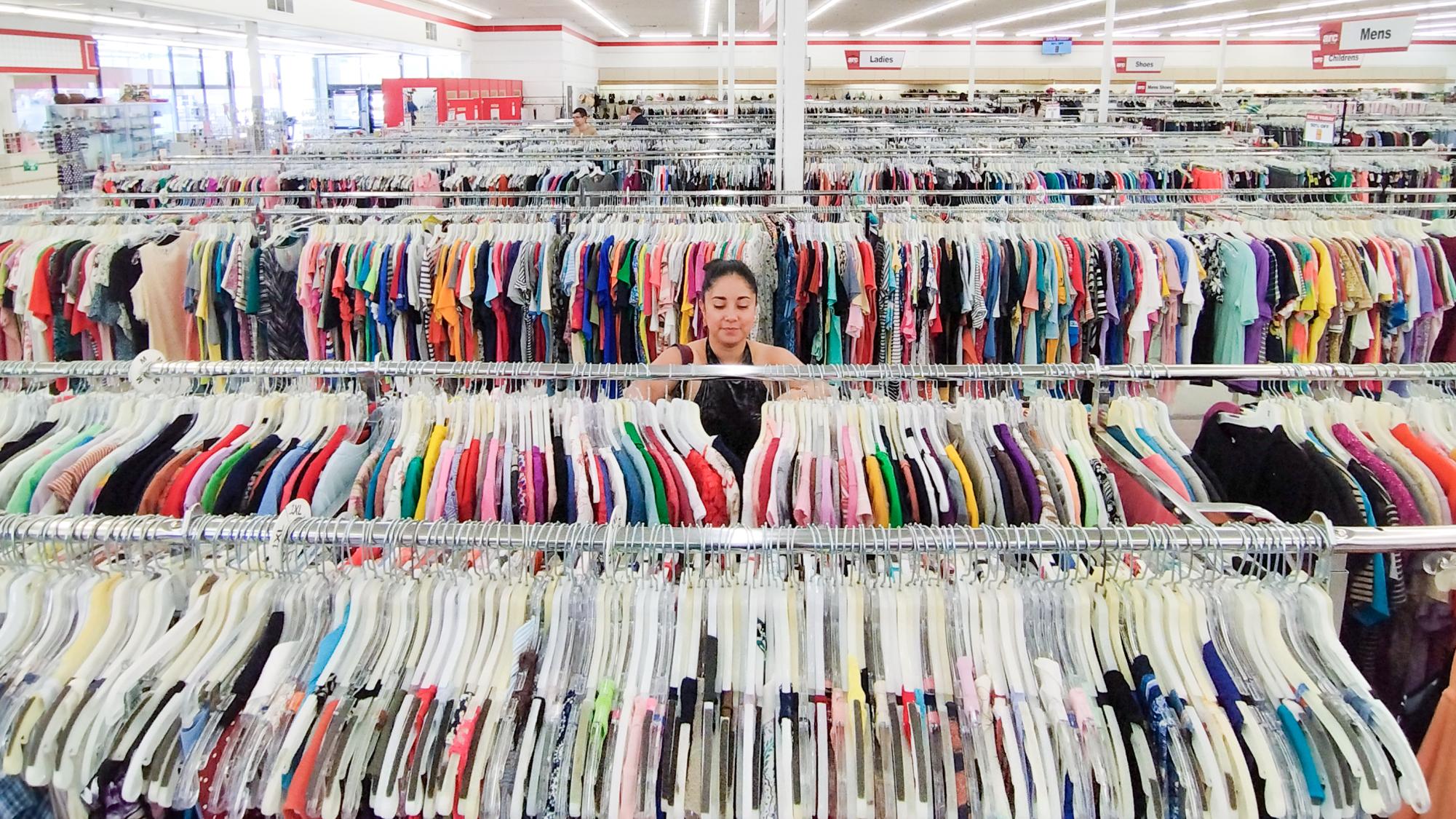
In fact, many environmentally conscious young people are purchasing clothing from thrift or second-hand stores because they are compelled to cut down on barely worn or even new clothing being dumped.
But some say “purchasing hoarders” are ruining a good thing by loading up on thrift store purchases and upping the price in order to stock their own used online clothing resale businesses.
“When the thrift-store hoarders buy so much at a reduced cost, then slap a higher price tag on it online, eventually all those items they don’t sell—my question is—is it going back to the dump if they have no regard for pricing will they care about the environment?” asked a Valley thrift shopper after sharing her thoughts with Northeast Valley News on purchasing hoarders.
Especially in the current economic climate and with the recent tariffs that have been put on most goods, even those who used to be avid online and in-store shoppers, are now turning to shopping at thrift stores while addressing two issues at once.
It becomes much more convenient for people to purchase clothing items from second-hand stores that would be considered more expensive in retail stores—especially items like, jeans or winter and specialty clothing.
Some individuals not compelled to shop second-hand have learned how to exploit the thrift store/fashion popularity.
Taryn Twardeck told Northeast Valley News, “I think that a lot of people take advantage of second-hand stores and they should leave some of the clothes for people who actually can’t afford new clothes instead of just buying them and then reselling them for a bunch of money.”
“I’m talking about like the Depop sellers who go in there like once a week and buy a bunch of stuff and then resell it for like way more than they were selling it at the thrift store, and I don’t think that’s like, ethical—that’s stupid.”
Like anything, where people see trends and money-making opportunities, and in this case, second-hand buying as a means to profit, they will take advantage of it.
“When people go into thrift stores and make a profit off of buying used clothing in bulk but raise the price significantly,” Twardeck said. “This defeats the purpose of thrift stores and shopping second-hand in general. It makes it remarkably harder for less fortunate shoppers to find essential items, especially in this economy.”
One shopper suggestion: buy from local thrift stores that cap spending on bulk clothing purchases.
Lynnette Sherman was shopping at the 7th Street and Indian School Goodwill Store with her two daughters and told Northeast Valley News, “We make a whole day of it now, but no, we don’t buy in bulk, but we do buy what we like and stuff we can afford. I remember when my daughters wouldn’t think of wearing anything from a thrift store; now, they think (laughing) it’s cool!”
An ASU student and another Goodwill shopper said she buys all her clothing and shoes exclusively second-hand, “I just like the fact that people, especially people my age, are buying used clothes because the tons of textile waste in the dumps adds so much to our environmental problems.”