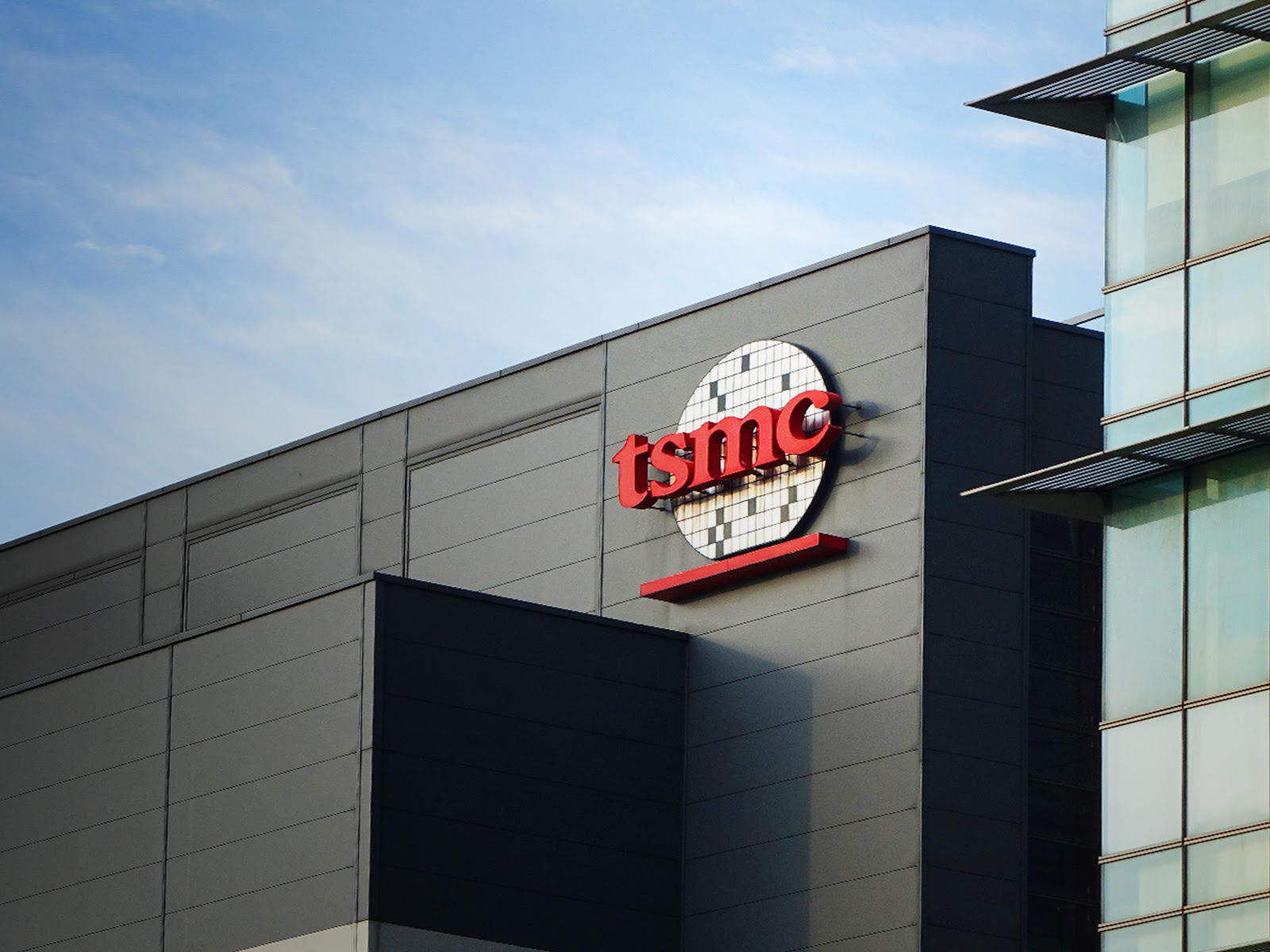
The US has revoked a fast-track waiver that allowed Taiwan Semiconductor Manufacturing Co (TSMC) to export US chip equipment to its main production base in mainland China, TSMC said, following a similar move that affected Samsung Electronics and SK Hynix.
US officials recently informed TSMC of the end of its validated end user, or VEU, status for its site in Nanjing, the company said.
The South Korean firms also had their VEU status rescinded.
Policy shift
TSMC said its waiver was due to expire on 31 December 2025, while the other two chipmakers said their VEU status would end after 120 days.
The company, the world’s largest contract chipmaker, said it was communicating with the US government and was committed to keeping its Nanjing operation running smoothly.
“TSMC has received notification from the US government that our VEU authorisation for TSMC Nanjing will be revoked effective December 31, 2025,” TSMC stated.
“While we are evaluating the situation and taking appropriate measures, including communicating with the US government, we remain fully committed to ensuring the uninterrupted operation of TSMC Nanjing.”
In all three cases, the policy change means the companies will have to apply for licences each time they want to export a piece of American chipmaking technology to their operations in China.
US authorities have said they plan to approve items necessary to keep plants running as they are, but not to upgrade or expand them.
On the face of it, that might not be an issue for the three firms affected, which have their more advanced production lines located in South Korea or Taiwan.
Uncertainty
However, the change introduces uncertainty for the mainland China operations involved, because it is unknown how long the licences will take to be approved.
Reports have said that companies face a significant backlog of existing licence requests.
TSMC’s operations in China are relatively small, amounting to roughly 3 percent of its overall production capacity, according to an estimate from Taiwan’s Ministry of Economic Affairs.
Samsung and SK Hynix have much larger operations in mainland China, which accounts for a substantial portion of their production base.
A federal notice announcing the policy change said it would require US officials to process an additional 1,000 licence requests annually.
The White House has tightened some export controls while loosening others, for instance permitting Nvidia and AMD to export AI chips to China in exchange for a cut of their sales, in an unusual financial deal by the federal government.
Export controls
In May, the White House revoked wide-ranging controls on AI chips, facilitating deals to sell such processors to Saudi Arabia and the United Arab Emirates for major data centre projects.
Those deals have been held up by the concerns of lawmakers around the national security implications of sending large amounts of cutting-edge AI chips to the Middle East.
