Published on
January 30, 2026

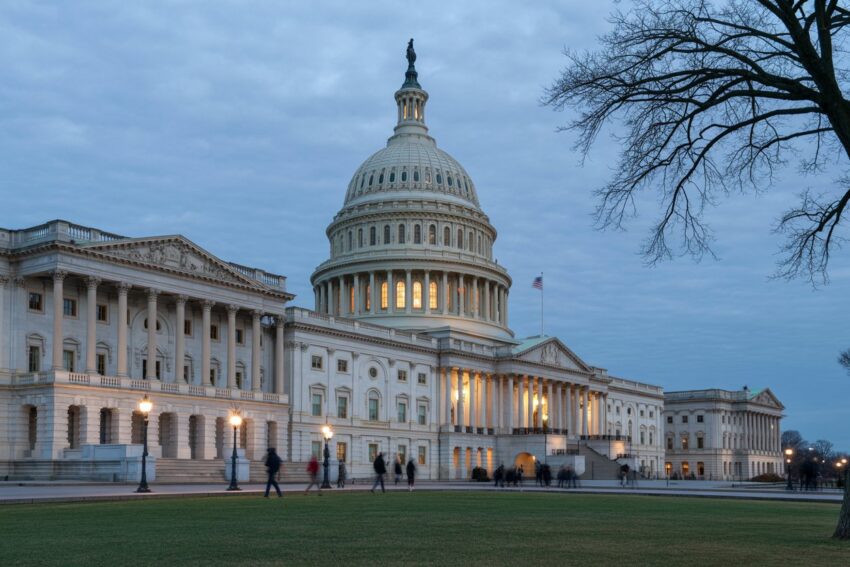
In 2025, the United States has surpassed global tourism giants like the United Kingdom, France, Spain, Mexico, Italy, Germany, and other titans to lead the world in tourism. With an unprecedented impact of over two trillion dollars on the global economy, the U.S. has solidified its position as the dominant force in international travel. This remarkable achievement underscores the country’s unparalleled appeal, backed by its world-class infrastructure, iconic landmarks, and diverse cultural offerings. While other nations continue to attract millions of visitors, the U.S. has remained a top destination for both leisure and business travelers, maintaining its lead despite the growing competition from emerging markets. The steady growth in tourism spending, coupled with an ever-expanding digital presence in travel services, has helped the U.S. stay ahead of the pack. As global tourism continues to evolve, the U.S. remains poised for sustained growth, adapting to changing demands and staying ahead of the curve in the competitive world tourism race.
United States: A Steady Giant with Room for Growth

In 2025, the United States remains the dominant force in global tourism, contributing a staggering $2.57 trillion to the global economy, as outlined in the World Travel & Tourism Council (WTTC) Economic Impact 2025: Global Trends report. While the U.S. continues to lead, it faces new challenges that reflect a dynamic landscape. The projected growth in tourism spending is expected to be modest, with a slight increase of only 0.7% due to a decrease of $12.5 billion in international visitor spending. This shift highlights the growing competition from emerging global destinations. Despite this, the U.S. still boasts unparalleled infrastructure, world-renowned landmarks, and a rich cultural diversity that attracts millions each year. The economic recovery from the pandemic has led to a strong rebound, and with an ever-expanding digital presence in travel services, the U.S. remains a top destination. As global markets diversify, however, the country will need to adapt its offerings to cater to evolving traveler demands. The WTTC report clearly points to both opportunities and challenges for the U.S., setting the stage for a competitive future in the global tourism race.
United States: Country Guide for Tourism Growth
- Iconic Landmarks: The U.S. is home to some of the world’s most famous landmarks, including the Statue of Liberty, the Grand Canyon, and Disneyland, drawing millions of visitors annually.
- Cultural Diversity: The country’s diverse mix of cultures and cities like New York, Los Angeles, and Miami offer unique experiences in art, food, and entertainment.
- Tourism Infrastructure: The U.S. benefits from world-class airports, well-established transportation networks, and accommodation systems that cater to every type of traveler.
- Innovative Tourism Services: New digital platforms and smart tourism initiatives, including virtual tours, enhance the travel experience.
- Business and Leisure: The U.S. balances both business tourism (with cities like New York and San Francisco) and leisure (like national parks and beaches), attracting a broad demographic.
United Kingdom: Resilience Amidst Change

The United Kingdom is expected to contribute $383.1 billion to global GDP in 2025, reinforcing its status as one of the world’s top travel destinations, according to the WTTC Economic Impact 2025. Despite the post-Brexit challenges and the global shifts in tourism patterns, the UK has shown remarkable resilience. London remains a central hub for international tourists, while iconic sites like the Tower of London, Buckingham Palace, and the Scottish Highlands continue to enchant visitors. Moreover, the UK’s diverse cultural offerings—ranging from world-class museums to rich historical landmarks—ensure that it stays relevant in an ever-competitive tourism market. The country’s response to these challenges, including enhanced travel connectivity, investments in digital services, and the development of new attractions, shows the UK’s adaptability. While the international visitor spending drop in 2025 is modest compared to other nations, the UK’s position as a global leader in tourism remains secure. The WTTC Economic Impact 2025 underscores how the UK has harnessed its unique strengths to adapt and thrive as a major player in the global tourism economy.
United Kingdom: Country Guide for Tourism Growth
- Iconic Landmarks: London, with its landmarks such as Buckingham Palace and the British Museum, is a major draw, alongside the scenic Scottish Highlands and historic castles.
- Cultural Heritage: The UK’s rich cultural offerings, from West End theater productions to its music and literary history, continue to attract international visitors.
- Global Connectivity: The UK remains one of the most accessible countries in the world, with multiple international airports and excellent transport links.
- Digitalization and Innovation: The UK’s investments in digital tourism and modern visitor services, including mobile apps and virtual experiences, are enhancing the traveler experience.
- Diverse Experiences: From urban exploration to countryside getaways, the UK offers a range of travel experiences for all types of visitors.
France: The World’s Most Visited Destination

France continues to lead the world in tourism, with an expected contribution of $297.9 billion to the global economy in 2025, as highlighted in the WTTC Economic Impact 2025 report. Known for its captivating history, culture, art, and cuisine, France has solidified its position as the world’s most visited destination, drawing millions from around the globe each year. The country’s world-famous attractions like the Eiffel Tower, Louvre Museum, and the scenic beauty of the French Riviera make it a constant favorite for travelers. France’s tourism sector has also seen impressive growth in rural regions, where initiatives like “green” tourism and wine routes offer visitors a unique, authentic experience. The government’s focus on sustainability, cultural preservation, and innovation in travel services has allowed France to remain competitive and resilient. With the global demand for experiential and sustainable travel rising, France has effectively positioned itself to cater to these needs in 2025. As the WTTC Economic Impact 2025 report suggests, France’s dominance in the tourism sector shows no signs of slowing down.
Advertisement
Advertisement
France: Country Guide for Tourism Growth
- Iconic Attractions: France’s iconic landmarks, including the Eiffel Tower, the Louvre, and Notre-Dame Cathedral, continue to be major draws.
- Culinary Tourism: Renowned for its cuisine, wine regions like Bordeaux and Provence attract food lovers from around the world.
- Sustainability Focus: France leads in promoting sustainable tourism through initiatives like eco-friendly hotels and nature-based tourism.
- Cultural Heritage: France’s rich history, museums, and arts culture attract millions annually, bolstering its status as a global tourism leader.
- Accessible Travel: With well-developed transportation systems, including high-speed trains, France remains an easy destination to explore.
Spain: A Mediterranean Leader

Spain is projected to contribute $283.0 billion to global GDP in 2025, maintaining its position as a top global travel destination, according to the WTTC Economic Impact 2025 report. The Mediterranean powerhouse has seen substantial growth in its tourism sector, driven by its appealing climate, rich history, and cultural diversity. Spain’s iconic cities, including Barcelona, Madrid, and Seville, continue to be major draws for international tourists, while the country’s stunning coastlines and islands are now more popular than ever. Spain’s tourism recovery post-pandemic has been impressive, with investments in infrastructure and a push for more sustainable tourism practices. The country’s proactive approach to improving its offerings for both domestic and international visitors—such as enhancing the experience of its UNESCO World Heritage sites—has contributed significantly to its tourism growth. Additionally, Spain’s focus on digitalization and customer-focused services is reshaping the industry, ensuring it remains a key player in global tourism in 2025, as noted by the WTTC.
Advertisement
Advertisement
Spain: Country Guide for Tourism Growth
- Diverse Landscapes: Spain offers a variety of attractions, from sunny beaches along the Costa Brava to the cultural heritage of Madrid and Seville.
- Culinary Appeal: Spanish cuisine, including tapas, paella, and wines, is a significant draw for international visitors.
- Sustainability Efforts: Spain is promoting responsible tourism, focusing on eco-tourism and the protection of its natural beauty.
- Rich Culture and History: UNESCO-listed sites and cultural festivals such as La Tomatina and Running of the Bulls continue to attract global tourists.
- Tourism Recovery: Spain’s quick recovery from the pandemic and its strong regional tourism offerings help maintain its leading position.
Mexico: Emerging Power in the Americas

Mexico is expected to contribute $281.1 billion to the global GDP in 2025, securing its spot as one of the top tourism economies in the world, as projected in the WTTC Economic Impact 2025 report. With its rich cultural heritage, beautiful coastlines, and vibrant cities, Mexico has become a top destination for travelers seeking both adventure and relaxation. In recent years, Mexico has experienced a surge in tourism, particularly from the U.S., with travelers flocking to Cancun, Los Cabos, and Mexico City. The country’s government has worked diligently to enhance tourism infrastructure, including modernizing airports, improving transportation networks, and boosting security efforts. Additionally, Mexico’s growing appeal as a sustainable tourism destination has attracted environmentally conscious travelers. With continued investments in cultural tourism and the promotion of lesser-known areas like Oaxaca and Chiapas, Mexico’s tourism sector is expected to flourish in 2025. As the WTTC Economic Impact 2025 report highlights, Mexico is on track to solidify its place as a major player in global tourism.
Mexico: Country Guide for Tourism Growth
- Rich Cultural Heritage: From ancient Mayan ruins to colonial architecture, Mexico’s history is a major draw for tourists.
- Beach Resorts: Coastal destinations like Cancun and Playa del Carmen are popular for their all-inclusive resorts and crystal-clear waters.
- Eco-Tourism Growth: Mexico is increasingly becoming a top destination for eco-tourism, with sustainable travel initiatives in regions like Yucatán.
- Culinary Tourism: Mexico’s food, especially street food, is gaining recognition globally, attracting food tourists.
- Accessibility and Proximity: Mexico’s proximity to the U.S. and improved air and land transport connections boost its tourism sector.
Italy: Tradition Meets Innovation in Tourism

Italy is forecasted to contribute $257.9 billion to global GDP in 2025, maintaining its status as one of the most iconic travel destinations in the world, according to the WTTC Economic Impact 2025 report. With its centuries-old heritage, world-class art, and unparalleled culinary experiences, Italy remains a perennial favorite among international travelers. Cities like Rome, Venice, Florence, and Milan continue to draw millions, while the country’s scenic coastlines, vineyards, and historical sites offer diverse experiences for tourists. Italy’s investment in sustainable tourism and efforts to preserve its vast cultural assets have allowed it to stay competitive in the global tourism market. Moreover, the country’s recent focus on enhancing digital services, such as virtual tours and smart tourism initiatives, has improved the overall visitor experience. Italy’s strong tourism recovery post-pandemic and its ability to adapt to evolving travel trends ensure that it will continue to be a major player in the global tourism market through 2025, as outlined by the WTTC.
Italy: Country Guide for Tourism Growth
- Rich Cultural Heritage: Iconic landmarks such as the Colosseum, Vatican City, and Pompeii are key attractions for tourists.
- Culinary Appeal: Italy’s global reputation for food and wine—especially in regions like Tuscany—continues to attract food lovers.
- Sustainability Initiatives: The country has made strides in promoting sustainable tourism with eco-friendly accommodations and heritage preservation efforts.
- Diverse Regions: Italy offers a mix of experiences, from the historical streets of Rome to the Amalfi Coast and the vineyards of Piedmont.
- Tourism Recovery: Italy’s tourism sector is quickly bouncing back post-pandemic, with significant growth in domestic and international visitors.
Germany: A Cultural and Economic Powerhouse

Germany is projected to contribute $541.9 billion to global GDP through tourism in 2025, securing its position as one of the top travel markets in the world, according to the WTTC Economic Impact 2025. The country’s tourism sector has seen remarkable growth, fueled by its rich cultural heritage, innovative technology, and strong appeal as a business and leisure destination. Cities like Berlin, Munich, and Hamburg continue to draw millions for both their historical significance and modern vibrancy. Germany’s positioning as a key European travel hub, complemented by efficient transport systems and a robust tourism infrastructure, has played a significant role in its success. Moreover, Germany’s investment in sustainable tourism and its focus on eco-tourism have further enhanced its reputation as a forward-thinking leader in the travel industry. This sector’s growth, particularly in rural areas and secondary cities, highlights the diversification of Germany’s tourism appeal. As the world looks to travel responsibly in 2025, Germany stands out as a model of how tourism can drive economic growth while preserving cultural and environmental heritage, as evidenced by the insights in the WTTC report.
Germany: Country Guide for Tourism Growth
- Cultural and Historical Appeal: Iconic destinations such as the Brandenburg Gate, Neuschwanstein Castle, and the romantic Rhine Valley continue to captivate visitors.
- Strong Infrastructure: Germany’s advanced rail network, top-tier airports, and well-developed tourist services enhance its accessibility for global travelers.
- Eco-Tourism: Germany is a leader in sustainable tourism, with initiatives like green tourism and nature-based travel experiences in the Bavarian Alps and Black Forest.
- Tech Innovation: The country’s innovative tourism offerings, such as smart tourism services and digital guides, cater to the modern traveler.
- European Hub: Germany’s central location in Europe makes it a key starting point for exploring neighboring countries, attracting a high volume of tourists.
Rising Powerhouses in Global Tourism: India, China, and Japan Set to Lead in 2025

- India: The Rise of a New Tourism Giant: India’s tourism sector is set to contribute $268.7 billion to the global GDP in 2025, reflecting its growing influence as a global travel hub. The country’s rich history, cultural diversity, and rapidly expanding middle class make it an attractive destination. Major cities like Delhi, Mumbai, and Jaipur, along with spiritual destinations such as Varanasi, are seeing increased tourist numbers. With government initiatives like the “Incredible India” campaign and a focus on sustainable tourism, India’s appeal for eco-tourism, wellness tourism, and heritage tourism is growing. The young population and rising disposable income will continue to drive growth, solidifying India as a major global tourism player.
- China: A Surge into the Future: China is expected to see a remarkable 22.7% growth in its tourism sector by 2025, adding $260 billion to its economy. This growth highlights China’s increasing dominance as a tourism hub. The country’s investment in infrastructure and the rising middle class has fueled both inbound and outbound tourism. Major cities like Beijing, Shanghai, and Hong Kong continue to attract millions, while rural regions are also gaining global attention. China’s commitment to sustainable tourism and heritage preservation further enhances its global tourism footprint. The scale of its economy and cultural appeal ensure China remains one of the world’s most influential travel economies in 2025.
- Japan: Innovation and Tradition Fuel Growth: Japan’s tourism sector is expected to contribute $324.3 billion in GDP by 2025. This success is driven by the unique blend of ancient traditions and modern innovation. Tokyo and Kyoto attract millions of visitors, offering a mix of historical temples and futuristic skyscrapers. The government’s proactive tourism campaigns, ease of visa restrictions, and infrastructure improvements contribute to Japan’s tourism success. Japan’s appeal also extends to its pop culture and natural beauty, with the cherry blossoms and high-tech experiences drawing global interest. As Japan continues to innovate with eco-friendly and high-tech tourism services, it solidifies its place as a global tourism leader.
In 2025, the United States has overtaken the United Kingdom, France, Spain, Mexico, Italy, Germany, and other tourism titans, leading global tourism with an unprecedented impact of over two trillion dollars on the economy.
Conclusion
United States has firmly established itself as the leader in global tourism in 2025, surpassing the United Kingdom, France, Spain, Mexico, Italy, Germany, and other tourism titans. With an unprecedented impact of over two trillion dollars on the global economy, the U.S. continues to capitalize on its world-class infrastructure, iconic landmarks, and diverse cultural offerings. This remarkable achievement highlights the country’s enduring appeal despite rising competition from emerging destinations. As global tourism evolves, the U.S. remains at the forefront, adapting to changing traveler demands and maintaining its dominant position in the tourism industry. The continued growth and resilience of the U.S. tourism sector set the stage for future success, ensuring it remains a top destination for years to come.